
Snake Plant Review: Is It Right for Your Space?
A snake plant can make a bare corner feel finished without asking you to rearrange your life around a watering schedule. In this snake plant review, we look beyond its reputation as an easy houseplant to help you decide whether it truly suits your light, routine, style, and household.
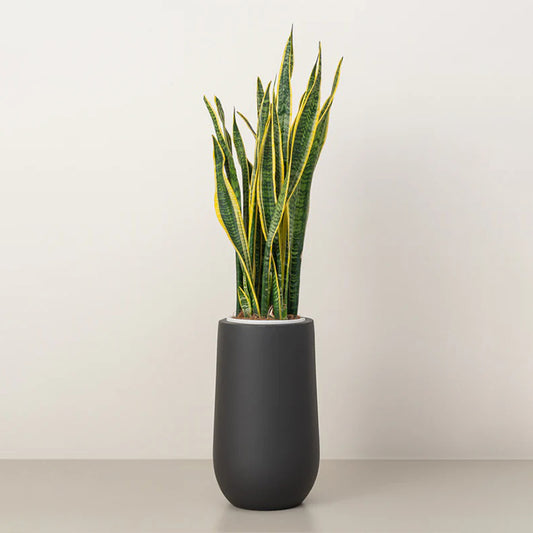
Also known as Sansevieria or Dracaena trifasciata, the snake plant is recognized by its upright, sword-shaped leaves. Some varieties have deep green leaves with gray-green striping, while others bring in yellow edges, silvery tones, or compact rosettes. The look is clean and architectural, which is why it works just as well beside a sofa as it does on an office desk.
Snake Plant Review: The Quick Verdict
For most beginner plant owners, the snake plant is an excellent choice. It is forgiving of missed waterings, adapts to a range of indoor light conditions, and brings lasting green color to spaces that need a simple visual lift. If you want a plant that looks polished with relatively little effort, it earns its popularity.
That said, easy-care does not mean no-care. Snake plants decline when they sit in wet soil for too long, and they will not grow quickly in a dark room. They are also not the best choice for homes with curious cats or dogs that chew leaves, as the plant can cause digestive upset if eaten.
The best fit is someone who prefers watering less often rather than more often. It is especially useful for busy professionals, frequent travelers, new plant parents, and anyone furnishing an apartment or office with low-maintenance greenery.
Why Snake Plants Work So Well Indoors
The main advantage is their ability to tolerate conditions that challenge many leafy tropical plants. Snake plants can handle bright indirect light, moderate light, and lower-light areas. They may grow more slowly away from a window, but their stiff leaves usually keep their shape and color well.
Their vertical form is another practical benefit. A snake plant adds height without taking over a tabletop or crowding a narrow entryway. Taller varieties can fill an empty floor corner, while compact types such as bird's nest snake plants fit neatly on shelves, side tables, and bathroom counters with natural light.
They are also a smart visual choice for modern homes. The leaves create a strong outline against light walls, soft furnishings, and neutral planters. One plant can make a room feel more intentional, while a grouping of different sizes creates a fuller indoor garden without looking fussy.
Snake plants are commonly associated with air-purifying benefits. Like all plants, they contribute to a more natural, welcoming atmosphere. Still, it is better to choose one for its beauty, resilience, and the enjoyment of caring for it than to expect it to replace ventilation or air filtration in your home.
Light: Flexible, but Not Indestructible
A snake plant is often labeled a low-light plant, and that is broadly true. It can survive in rooms that receive gentle, indirect daylight. However, survival and growth are different things. For fuller growth and stronger color, place it near a bright window where direct afternoon sun is softened by a sheer curtain or set it a few feet back from the glass.
A very dark hallway or windowless room is not a long-term solution. The plant may remain alive for a while, but growth can stall and leaves may lose some of their sharp color contrast. If your space has limited daylight, rotate the plant into a brighter room occasionally or use a suitable grow light.
Too much harsh sun can be a problem as well. Prolonged, intense direct sun may bleach or scorch the leaves, particularly on variegated varieties with yellow margins. If the leaves look faded rather than richly colored, move the pot slightly farther from the window.
Watering Is Where Most Problems Begin
The most common snake plant mistake is watering on a calendar rather than checking the soil. These plants store moisture in their thick leaves and roots, so they prefer the potting mix to dry out substantially between waterings.
Start by inserting a finger a few inches into the soil. If it still feels damp, wait. When the mix is dry, water thoroughly until a little moisture drains from the bottom, then empty the saucer so the roots are not left standing in water. In many homes, that may mean watering every two to four weeks, with less water needed during cooler, darker months.
The exact timing depends on light, temperature, pot size, and soil type. A plant in bright light may dry faster than one in a shaded bedroom. A small pot also dries more quickly than a large decorative container. This is why observation beats a fixed schedule.
Overwatering often shows up as soft, yellowing, or collapsing leaves. A sour smell from the soil can point to root rot. If you notice these signs, stop watering, inspect the roots, remove any mushy sections, and repot in fresh, fast-draining mix if needed. A pot with a drainage hole is one of the simplest ways to prevent this problem.
The Right Pot, Soil, and Placement
Snake plants do best in a loose, well-draining potting mix. A cactus or succulent mix is a convenient option, or you can improve standard indoor potting soil with perlite or coarse sand. Dense soil that stays wet for long periods creates unnecessary risk.
Choose a pot that is only slightly larger than the root ball. An oversized pot holds extra soil and moisture around the roots, which can make overwatering more likely. Snake plants are happy being a little snug in their containers, so there is no need to rush into frequent repotting.
Ceramic and terracotta pots both work well. Terracotta is especially helpful for plant owners who tend to water generously because the porous material helps soil dry faster. A glazed ceramic pot can be a great decorative choice, provided it has drainage and you are careful with watering.
For placement, think about both style and plant needs. A tall snake plant can anchor a living room corner, frame a media console, or add calm structure to a bedroom. Smaller varieties are ideal for desks and shelves. Avoid placing the plant directly beside cold drafts, heating vents, or air-conditioning blasts, which can stress the leaves over time.
What a Snake Plant Does Not Do Well
A fair snake plant review should include the trade-offs. This plant is not a fast grower, especially in low light. If you want a leafy plant that quickly fills a large empty space, a pothos, monstera, or other faster-growing option may be more satisfying.
Its upright, structured look is not for every decorating style. Some people love the clean lines; others prefer the softer, trailing shape of a hanging plant. Snake plants also do not enjoy frequent attention. Overwatering, constant repotting, and moving them from room to room can create more issues than leaving them in a suitable spot.
Pet owners and parents of very young children should take the toxicity concern seriously. Keep the plant out of reach if chewing is likely. If you need a pet-friendly alternative, consider options such as parlor palms, certain calatheas, or spider plants, while checking the care needs of each before choosing.
A Few Simple Care Habits for Better Growth
Once your snake plant is settled, care is refreshingly straightforward. Wipe dust from the leaves with a soft, damp cloth every so often so the plant can receive available light more effectively and continue looking its best. Turn the pot occasionally if one side faces the window, which helps growth stay balanced.
Fertilizer is optional, not essential. During spring and summer, a light feeding with a balanced houseplant fertilizer can support new growth. Use it sparingly and skip feeding during winter, when the plant is growing slowly. More fertilizer will not produce instant results and can damage roots if overused.
Repot only when roots are crowded, the pot is cracking, or the plant is clearly drying out much faster than usual. When repotting, you can divide healthy clumps to create new plants for other rooms or to share with someone starting their own plant collection.
Is a Snake Plant Worth Buying?
For an attractive plant that works with real schedules and real homes, yes. A snake plant offers one of the best balances of style, resilience, and low upkeep available in the indoor plant world. It will reward a bright-to-moderate spot, dry periods between watering, and a pot that drains well.
Choose a variety and size that matches your space rather than buying the largest plant available. A compact snake plant can bring life to a desk, while a taller specimen can transform an overlooked corner into a calmer, greener part of the room. With a little restraint from the watering can, it is a plant that makes everyday spaces feel cared for.