
How to Water Indoor Plants the Right Way
That droopy leaf can trick you. Sometimes it means your plant is thirsty. Sometimes it means you have already given it too much. If you have ever wondered how to water indoor plants without second-guessing every sip, the good news is this: most watering problems come from a few fixable habits, not a lack of talent.
Indoor plant care gets much easier when you stop looking for a one-size-fits-all schedule. A snake plant in a bedroom, a monstera near a bright window, and a pot of mint in the kitchen do not use water at the same rate. The right approach is less about watering on autopilot and more about understanding what changes from plant to plant, room to room, and season to season.
How to water indoor plants without overdoing it
The biggest mistake beginners make is watering by the calendar. “Every Sunday” sounds organized, but your plant does not care what day it is. It cares about how dry the soil is, how much light it gets, how warm the room is, and whether the pot drains properly.
A better method is to check the soil before you water. For many common indoor plants, the top 1 to 2 inches of soil should feel dry before you add more water. Push your finger into the soil near the edge of the pot, not just the surface. If it still feels cool and damp below the top layer, wait a little longer. If it feels dry and crumbly, it is probably time.
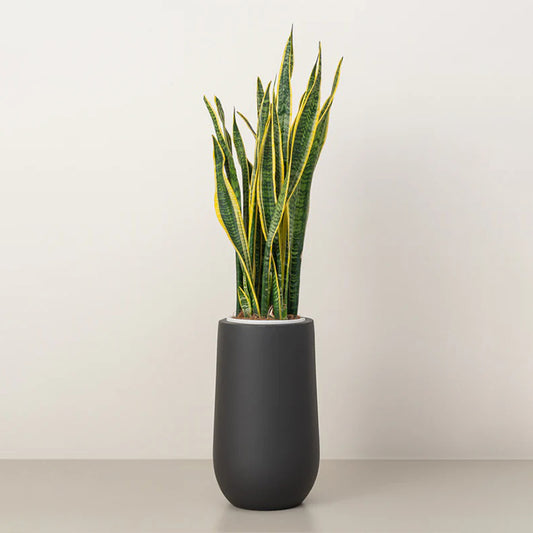
This is where plant type matters. Tropical foliage plants like monstera, peace lilies, and pothos usually like evenly moist soil, but not soggy soil. Drought-tolerant plants like snake plants, ZZ plants, and some succulents prefer the soil to dry more fully between waterings. Herbs can be thirstier than people expect, especially in bright light.
When you do water, water thoroughly. That means adding enough water so it reaches the full root zone and starts to drain from the bottom of the pot. A light splash on top only wets the upper layer, which encourages shallow roots and uneven moisture.
The best way to actually water the pot
If your pot has drainage holes, take advantage of them. Pour water slowly and evenly across the surface of the soil until excess water runs out of the bottom. Then let the pot drain fully before placing it back on a saucer or inside a decorative cachepot. If water collects underneath and stays there, the roots can sit in moisture longer than they should.
If your plant is inside a nursery pot that slips into a decorative planter, remove the inner pot when watering if possible. This makes it easier to let excess water drain away instead of pooling unseen at the bottom.
For smaller plants, bottom watering can also work well. Set the pot in a shallow tray of water for 10 to 20 minutes and let the soil pull up what it needs through the drainage holes. This can help when soil has become very dry and is repelling water from the top. Still, it should not replace regular top watering every time, because top watering helps flush out mineral buildup.
Plants in pots without drainage are harder to manage. They can look sleek, but they leave very little margin for error. If you use them, water sparingly and be extra careful about the amount. For most plant owners, especially beginners, drainage holes make life much easier.
What changes how often your plant needs water
Light is one of the biggest factors. A plant in bright indirect light grows faster and uses more water than the same plant in a dim corner. Temperature also matters. Warm rooms, sunny windows, air conditioning, and heating vents can all dry soil faster.
Humidity plays a role too, although often less than people think. In dry indoor spaces, leaves may lose moisture faster, but that does not always mean the soil is ready for more water. That is why touching the soil beats guessing from the air.
Pot size matters in both directions. A plant in a tiny pot may dry out quickly because there is less soil to hold moisture. A small plant in a pot that is too large may stay wet too long because the extra soil takes longer to dry. Matching pot size to root size helps keep watering predictable.
Soil mix is another quiet but important detail. Chunky, airy mixes drain faster and usually need more frequent watering. Dense, heavy soil holds moisture longer and can lead to root problems if you water too often. If your plant always seems either bone dry or soggy, the soil mix may be part of the issue.
Signs you are underwatering or overwatering
Both problems can look surprisingly similar at first. Yellow leaves, drooping stems, and slow growth can happen in either case. The difference is usually in the soil and the overall feel of the plant.
An underwatered plant often has dry, shrunken soil that may pull away from the sides of the pot. Leaves may feel thin, limp, or crispy at the edges. The pot itself will feel noticeably lighter when lifted.
An overwatered plant usually has soil that stays wet for too long. Leaves may turn yellow and feel soft rather than crisp. You may notice a musty smell, fungus gnats, or black, mushy roots if the problem has gone far enough.
If you are unsure which issue you are seeing, do not water immediately just because the plant looks unhappy. Check the soil first. That simple pause prevents a lot of accidental damage.
Seasonal watering makes a real difference
One reason watering feels confusing is that your plant’s needs are not steady all year. In spring and summer, many indoor plants grow more actively and use water faster. In fall and winter, growth often slows, especially if daylight hours drop.
That means the same plant that needed water every five days in summer might only need it every ten days or more in winter. This is especially true for low-light corners and rooms with cooler temperatures. Keeping the exact same routine year-round can easily lead to overwatering during slower months.
In hot climates or very bright homes, indoor plants may still stay fairly active year-round. Even then, it is better to observe than assume. The soil will tell you more than the season alone.
Water quality and temperature matter more than you think
Most indoor plants do fine with regular tap water, but some are sensitive to heavy minerals, chlorine, or fluoride. If you notice brown leaf tips on plants that otherwise seem healthy, water quality could be part of the issue. Letting tap water sit out overnight can help some chemicals dissipate, and filtered water can be useful for fussier plants.
Water temperature matters too. Very cold water can shock roots, especially on tropical houseplants. Room-temperature water is the safest choice and works well for most indoor setups.
A few plant-by-plant realities
Not all houseplants want the same treatment, even if they sit side by side. Snake plants and ZZ plants are forgiving and prefer less frequent watering. Monsteras and philodendrons usually like to dry slightly between drinks, but not stay dry for too long. Peace lilies often droop dramatically when thirsty, then perk back up after watering, but repeated extremes can stress them.
Herbs such as basil and mint usually need more attention than tough foliage plants because they are fast growers and often sit in brighter spots. Flowering indoor plants can also be thirstier during active blooming. If you are growing edible plants indoors, expect watering to be a little more hands-on.
This is why building a habit of checking each plant is more useful than trying to remember one rule for all of them.
The easiest routine to stick with
If you want a low-stress system, check your plants twice a week rather than watering them twice a week. That small change keeps you attentive without forcing water where it is not needed.
Keep a simple setup: pots with drainage, saucers that can be emptied, and a watering can with a narrow spout so you can water slowly and neatly. If you are building out your indoor plant corner, the right planter and soil make ongoing care much easier, not just prettier.
For busy homes and offices, low-maintenance plants are often the smartest choice. They still need care, but they give you more room for error while you learn your space.
The best way to get confident with indoor plants is to treat watering less like a chore and more like a quick check-in. A minute spent feeling the soil, lifting the pot, and looking at the leaves tells you far more than any fixed schedule ever will. Once you start reading those signals, watering becomes simpler, your plants settle in, and your space starts looking greener with a lot less guesswork.