
Which Plants Survive Low Light Best?
That dim corner by the sofa. The hallway with no direct sun. The office desk tucked far from a window. If you have spaces like these, you have probably asked which plants survive low light without turning brown, dropping leaves, or simply giving up after two weeks.
The good news is that low light does not mean no plants. It just means choosing varieties that naturally handle shade better and adjusting your care a little. Some indoor plants are far more forgiving than others, especially if your goal is greenery that looks good without demanding a bright windowsill.
Which plants survive low light indoors?
When people ask which plants survive low light, they usually mean plants that can tolerate indirect light, shaded rooms, or spots a few feet away from a window. Very few houseplants truly love darkness, but several can stay healthy and attractive in lower-light conditions.
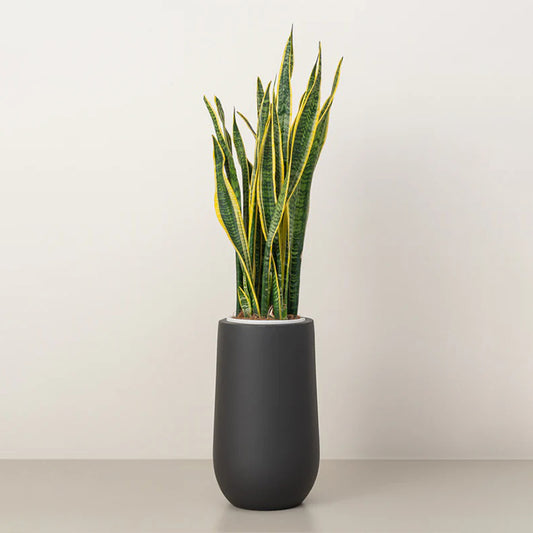
Snake plant is one of the easiest places to start. It has upright, architectural leaves, needs very little fuss, and handles missed waterings better than most plants. In brighter light it may grow faster, but it still performs well in lower-light rooms. If you want something clean, modern, and beginner-friendly, this is a reliable choice.
ZZ plant is another standout. It has glossy, deep green leaves and a strong reputation for tolerating neglect. It does especially well for people who want a polished-looking plant without a strict care schedule. The trade-off is that it grows slowly in low light, so patience helps.
Pothos is excellent if you like trailing plants. Its vines can soften shelves, desks, and corners, and it is one of the more adaptable houseplants for average indoor conditions. In lower light, the variegated types may lose some of their contrasting color, so if appearance matters, a greener variety often holds up better.
Peace lily is a smart pick if you want something a little more elegant. Its dark leaves make low-light spaces feel fuller and richer, and under decent indoor conditions it may still produce white blooms. It is slightly more dramatic than snake plant or ZZ plant, though. If it gets too dry, it lets you know quickly.
Lucky bamboo also works well in rooms with filtered or indirect light. It is compact, neat, and popular for desks and small spaces. It suits people who want a lower-maintenance option with a simple decorative look, especially in apartments or workspaces where floor plants are not practical.
Philodendrons, especially heartleaf types, are another solid answer to which plants survive low light best. They are forgiving, attractive, and easy to style in hanging pots or on shelves. Their leaves stay lush in moderate to lower light, although growth is usually fuller when they get brighter indirect light.
Chinese evergreen deserves a place in the conversation too. It is known for handling lower light while still offering beautiful foliage. Some varieties have silver, green, or even pink tones. If you want a plant that feels decorative rather than plain, this is a good one to consider.
What low light really means
A lot of plant frustration starts here. Low light does not mean a windowless bathroom or a dark corner that never sees daylight. Most plants labeled low light still want some ambient natural light. Think rooms with filtered light, north-facing windows, or spots set back from brighter windows.
If a room is so dark that you would struggle to read there during the day without turning on a lamp, that is probably too dark for most houseplants long term. The plant may survive for a while, but survival and healthy growth are not the same thing.
This matters because even the toughest low-light plants often look best when they get a little more brightness than the label suggests. They can tolerate less, but they usually thrive with moderate indirect light.
The best low-light plants for different spaces
Not every low-light area has the same needs. A bedroom corner needs something different from a busy office or a small apartment shelf.
For bedrooms and living rooms, snake plant, ZZ plant, and Chinese evergreen are strong choices because they stay tidy and do not need constant attention. They also suit a wide range of interiors, from minimal spaces to fuller, layered rooms.
For desks and small tables, lucky bamboo and compact peace lilies make sense. They bring in greenery without taking over the surface. If the area has air conditioning and steady indoor temperatures, they can be especially easy to maintain.
For shelves and hanging planters, pothos and heartleaf philodendron are usually the most practical. Their trailing growth adds softness and movement, which helps smaller indoor spaces feel more lived in and less boxy.
For entryways or hallways with limited natural light, go with something tough and upright like snake plant. It can handle less-than-ideal conditions better than many leafy tropicals.
How to keep low-light plants alive
The biggest mistake with low-light plants is overwatering. Because these plants receive less light, they use water more slowly. That means soil stays wet longer, and roots are more likely to rot if you water on autopilot.
A simple rule helps - always check the soil before watering. If the top inch or two still feels damp, wait. Plants in low light usually need less frequent watering than the same plant in a bright room.
Pot choice matters too. A container with drainage holes gives you a much better margin for error. Pair that with a well-draining indoor potting mix, and you reduce the risk of soggy roots. If you are buying plants for lower-light spaces, it also helps to pick the right planter and soil at the same time rather than treating them as afterthoughts.
Dust is another small issue that makes a real difference. Leaves coated in dust absorb light less efficiently, which is not ideal when the plant is already working with limited light. Wiping leaves occasionally keeps the plant looking better and functioning better.
Fertilizer should stay light and simple. A low-light plant is not in active high-speed growth, so heavy feeding usually does more harm than good. During the growing season, a mild fertilizer every so often is enough for most indoor varieties.
Which plants survive low light and still look full?
This is where expectations matter. In low light, many plants grow more slowly and a bit more sparsely. If you want a plant that still looks dense and attractive, choose naturally structured varieties.
Snake plant keeps its shape well because its leaves grow upright from the base. ZZ plant also stays neat and full-looking thanks to its thick stems and balanced form. Chinese evergreen tends to hold a generous leafy appearance, which is why it works so well as a decorative indoor plant.
Trailing plants can still look beautiful, but they may become leggier in lower light over time. If you love pothos or philodendron, rotating them into a brighter spot every now and then can help maintain better growth.
A few trade-offs to know before you buy
Low-light plants are easier in some ways, but they are not magic. Growth is usually slower, variegation may fade, and flowering is often less reliable. That does not make these plants disappointing. It just means the right expectation leads to a better experience.
It also depends on your room conditions beyond light. Air conditioning, dry indoor air, and inconsistent watering can affect plant health just as much as window placement. A peace lily in moderate low light with steady moisture may look happier than a pothos in a brighter room that is constantly forgotten.
If you are shopping for a low-light area, it often makes sense to choose for resilience first and appearance second. Once you know the space works, you can always expand into more decorative or specialized varieties.
The easiest starting point for beginners
If you want the safest answer to which plants survive low light, start with snake plant or ZZ plant. They are forgiving, stylish, and well suited to real homes where light is not perfect and schedules are busy. From there, add pothos, peace lily, or Chinese evergreen depending on whether you want trailing vines, flowers, or fuller foliage.
For many homes, the best plant is not the rarest or the trendiest one. It is the one that matches your space and your routine. A healthy plant in a dim room will always look better than a demanding one struggling in the wrong spot.
A low-light room does not have to stay empty. With the right plant, even a quiet corner can feel finished, fresher, and a lot more alive.