
Best Soil for Potted Plants Explained
A pothos that keeps drooping, a basil plant that turns yellow, and a lemon tree that never seems happy can all point to the same problem - the potting soil. Choosing the best soil for potted plants is less about buying the most expensive bag and more about matching the mix to how your plant grows, how often you water, and where the pot lives.
Container plants depend on you for everything. In the ground, roots can spread out and search for moisture, air, and nutrients. In a pot, they are limited to a small space, so the soil has to do more. It needs to hold enough water, drain well, stay airy around the roots, and support steady growth without turning heavy and compacted.
What makes the best soil for potted plants?
Good potting soil is really a balance. If it holds too much water, roots stay wet and rot. If it dries too fast, leaves crisp up and flowering slows down. The best soil for potted plants usually feels light in your hands, drains freely after watering, and still keeps enough moisture for the plant to use between waterings.
That is why garden soil from the yard is rarely a good choice for containers. It tends to be dense, can compact quickly, and often drains poorly in pots. It may work in a landscape bed, but inside a planter it can create exactly the kind of soggy, airless conditions that container roots dislike.
A better option is a purpose-made potting mix. Most quality mixes combine moisture-retaining ingredients with materials that improve airflow and drainage. You are looking for a medium that supports roots, not just something that fills the pot.
The core traits to look for
The right mix should do four jobs well. It should drain excess water, hold some moisture, provide space for air around the roots, and carry nutrients long enough to help the plant settle in. If one of those parts is missing, your plant will usually tell you.
Soil that stays wet for days after watering can lead to fungus gnats, soft stems, yellowing leaves, and root rot. Soil that becomes hard and shrinks away from the edge of the pot often dries too much and can be difficult to rewet. Neither extreme is ideal.
Potting soil ingredients that actually matter
You do not need to memorize a long list of ingredients, but a few are worth knowing because they explain how a mix will behave.
Peat moss and coco coir are common for moisture retention. They help the soil stay evenly damp without becoming muddy. Coco coir is especially popular with gardeners who want a more sustainable option and a mix that rewets more easily.
Perlite is the small white, lightweight material you often see in potting mix. It improves drainage and air flow. Pumice does a similar job, though it is usually a bit heavier and longer lasting. Sand can help in some specialty mixes, especially for succulents and cacti, but too much fine sand can make a pot heavy and compact.
Compost or organic matter adds some nutrition and improves texture, though in containers it needs to be part of a balanced mix rather than the whole thing. Bark fines are often used in mixes for larger tropical plants and orchids because they create extra air pockets around the roots.
Best soil for potted plants by plant type
Not every potted plant wants the same environment. That is where many plant owners get frustrated. A mix that works beautifully for a peace lily can be a poor fit for a jade plant.
Indoor foliage plants
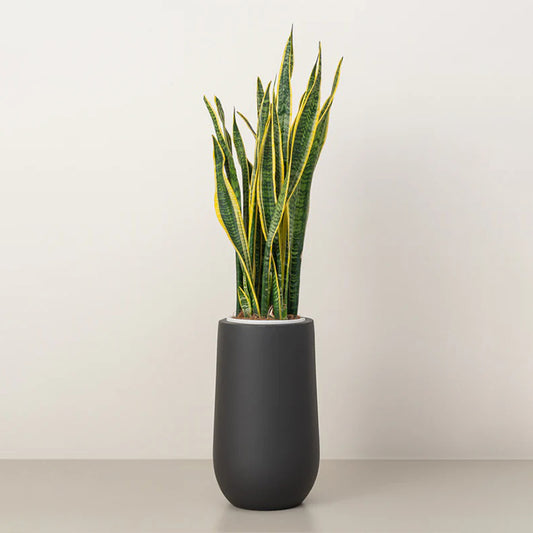
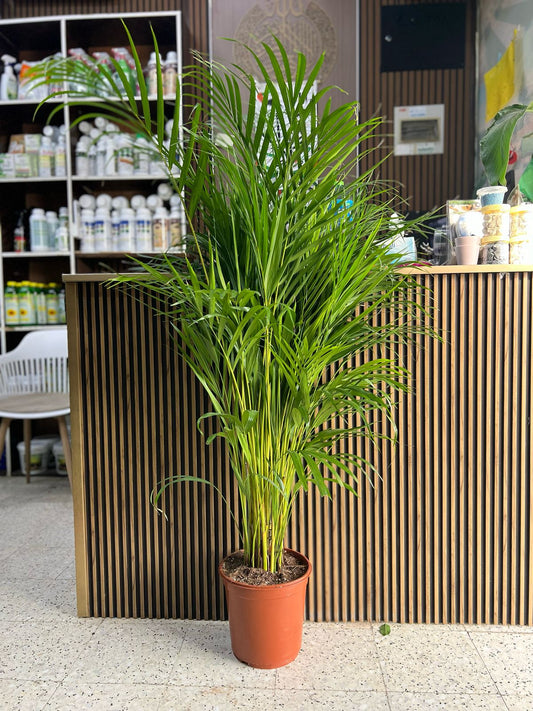
Plants like pothos, monstera, snake plants, philodendrons, ZZ plants, and peace lilies usually do best in a light indoor potting mix with good drainage. For most of these, a blend that retains moderate moisture but still includes perlite or bark works well.
Tropical foliage plants like monstera and philodendrons prefer soil that stays lightly moist but not soggy. A slightly chunky mix gives their roots the air they like. Snake plants and ZZ plants lean drier, so they benefit from even faster drainage than many leafy houseplants.
Flowering potted plants
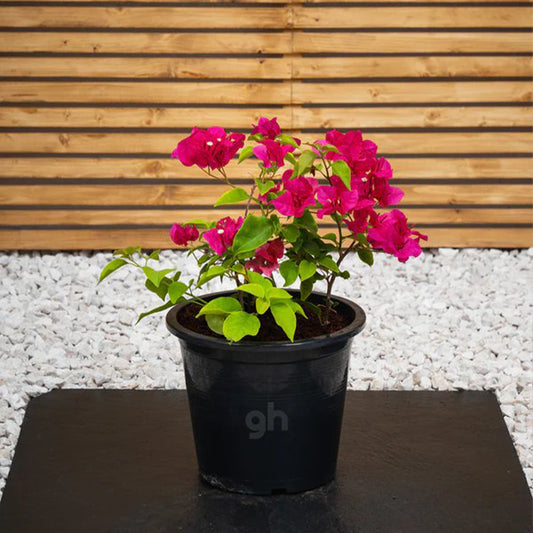
Geraniums, roses in containers, bougainvillea, and seasonal flowering plants need a nutrient-rich mix that still drains well. Flowers use a lot of energy, so they often need regular feeding in addition to the right soil.
If the soil is too heavy, flowering can suffer because the roots stay stressed. If it is too lean and dry, buds may drop early. A balanced potting mix with compost, coir or peat, and drainage material is usually a reliable choice.
Herbs and edible plants
Mint, basil, holy basil, tomatoes, chilies, and other edible container plants prefer loose, fertile soil with dependable moisture. Herbs in very small pots dry quickly, so moisture retention matters more than many people expect.
At the same time, soggy roots can ruin flavor and growth. For kitchen herbs and patio edibles, a rich but airy vegetable or container mix is often best. If you grow fast-producing plants, plan to refresh the soil or feed regularly because nutrients get used up quickly.
Citrus and fruit trees in pots
Lemon, olive, mango, and other potted trees need excellent drainage. Their roots do not want to sit in wet soil, especially in larger containers where water can linger below the surface.
A mix for container trees should feel open and structured, often with bark, perlite, or coarse material blended in. This helps maintain airflow over time. Fruit trees also stay in the same container longer than small houseplants, so soil structure matters just as much as nutrition.
Succulents and cacti
These plants are the easiest to overwater and the easiest to disappoint with the wrong soil. A standard moisture-retentive potting mix is usually too rich and too wet on its own.
They need a gritty, fast-draining blend that dries quickly after watering. A cactus or succulent mix, often with extra perlite, pumice, or coarse sand, is the safer pick.
Why drainage matters as much as the soil itself
Even the best potting mix cannot solve a pot with no drainage hole. If excess water has nowhere to go, the root zone stays saturated and the soil breaks down faster.
Pot size matters too. A plant in a pot that is much larger than its root ball may sit in wet soil longer than it should. That is one reason newly repotted plants sometimes struggle even when the soil seems fine. The issue is not just the mix - it is the mix plus the container size, material, and watering routine.
Clay pots dry faster than plastic ones. Pots on hot balconies dry faster than pots in air-conditioned interiors. Bright windows, low light corners, breezy patios, and shaded porches all change how your soil performs.
Signs your current potting soil is wrong
Plants are usually clear once you know what to watch for. If water pools on the surface before soaking in, the mix may be compacted. If water runs straight through and the soil feels bone dry a day later, it may be too coarse or too depleted.
Yellow leaves, mushy stems, slow growth, and a musty smell often point to excess moisture. Wilting despite frequent watering can also be a root problem caused by dense, poorly aerated soil. On the other side, curling leaves, crispy edges, and shrinking soil can mean the mix is drying out too fast.
If your plant has been in the same pot for a long time, the issue may simply be old soil. Potting mixes break down over time, especially with regular watering. What started out fluffy and balanced can become compact and tired.
Should you use one mix for every plant?
You can, but it is not always the smartest move. If you keep mostly easy indoor plants, a quality all-purpose indoor potting mix may handle most of your collection well enough. That works especially well for beginners who want simple care.
But once you grow a wider range of plants, customizing starts to pay off. Aroids, herbs, flowering annuals, citrus, and succulents all have different needs. You do not need a separate bag for every plant, but making small adjustments can help. Adding extra perlite for a snake plant or cactus, or choosing a richer mix for basil and tomatoes, often improves results without much effort.
How often should you replace potting soil?
For many potted plants, refreshing or replacing the soil every 12 to 18 months is a good rule of thumb. Fast-growing annuals and edibles may need fresh mix sooner. Large indoor plants and trees may stay in the same pot longer, but the top layer can still be refreshed and nutrients replenished.
If the soil smells sour, compacts heavily, drains poorly, or your plant has outgrown the pot, do not wait for a perfect calendar date. The plant is already asking for better conditions.
Choosing the right soil without overthinking it
If you want a simple starting point, choose a high-quality potting mix based on the plant category, not just the word premium on the bag. Indoor foliage plants need light, airy soil. Herbs and vegetables need fertile, moisture-balanced soil. Succulents need fast drainage. Citrus and potted trees need structure and air around the roots.
That one choice can make watering easier, reduce stress on the plant, and save you from a lot of trial and error. At Plants House, we know most people do not want gardening to feel complicated. The good news is that when the soil is right, everything else gets easier - from healthy roots to greener leaves to blooms and harvests that actually last.
Start with the roots, and your pots will reward you for it.