
How to Use Potting Soil for Healthier Plants
A beautiful new plant can struggle in the wrong growing medium, even with good light and regular watering. Learning how to use potting soil correctly gives roots the air, moisture, and support they need - whether you are styling a sunny balcony, growing mint by the kitchen, or refreshing a favorite indoor plant.
Potting soil is one of the simplest ways to make plant care easier. The right mix helps prevent common problems such as soggy roots, compacted soil, weak growth, and water running straight through the pot. The key is not simply filling a container and hoping for the best. Match the soil to the plant, use a pot with drainage, and give the roots enough room to settle.
What Potting Soil Does Differently
Despite the name, potting soil is usually not ordinary soil from a garden. It is a lightweight growing mix made for containers. Most quality mixes contain a blend of organic material, coco coir or peat moss, compost, perlite, pumice, bark, and sometimes slow-release nutrients.
This blend matters because plants in pots live in a small, contained environment. Garden soil can become dense and heavy inside a planter, leaving too little air around the roots. Potting soil is designed to hold enough moisture for the plant while letting excess water move away. That balance is especially useful for houseplants, patio flowers, herbs, and young vegetable plants.
A general-purpose potting soil works well for many everyday plants, including pothos, peace lilies, basil, marigolds, and flowering annuals. Some plants need a more specialized mix. Cacti and succulents need a grittier, faster-draining blend, while orchids prefer a chunky bark-based medium. For moisture-loving plants, a mix with coco coir can help maintain more even moisture without becoming muddy.
How to Use Potting Soil in Pots and Planters
Start with a clean pot that has drainage holes. Drainage is not optional for most plants. If water cannot escape, it collects around the roots and can lead to rot. A decorative pot without holes can still be used as a cover pot, but keep the plant in a nursery pot inside it and empty any standing water after watering.
Choose a container only slightly larger than the root ball. For a small houseplant, one to two inches wider is usually enough. For a larger plant, choose a pot that is two to four inches wider. A very oversized pot holds extra wet soil around roots that are not yet large enough to use it, which can cause avoidable stress.
Before planting, gently squeeze the potting soil bag to break apart any large clumps. Fill the bottom of the pot with enough mix that the top of the plant's root ball will sit about one inch below the rim. This space keeps water from spilling over when you water.
Remove the plant from its current pot and inspect the roots. If they are circling tightly around the root ball, gently loosen the outer roots with your fingers. Do not pull aggressively or strip away all the old soil. The goal is simply to encourage roots to grow outward into the fresh mix.
Set the plant in the center, then add potting soil around the sides. Lightly press the soil with your fingertips to remove large air pockets, but do not pack it down hard. Roots need air as much as they need water. Finish with the soil level at the same height it was in the previous pot. Burying the stem too deeply can cause rot, particularly on indoor foliage plants.
Water slowly after planting until water begins to drain from the bottom. This helps settle the potting soil around the roots. If the soil sinks noticeably, add a little more mix, keeping the plant at its original planting depth.
Using Potting Soil for Indoor Plants
Indoor plants need a mix that stays open and airy longer than outdoor garden soil. Since they often receive less direct sun and dry more slowly indoors, heavy soil can remain wet for too long. A quality indoor potting mix is a smart starting point for snake plants, monstera, bird of paradise, lucky bamboo grown in soil, and many other houseplants.
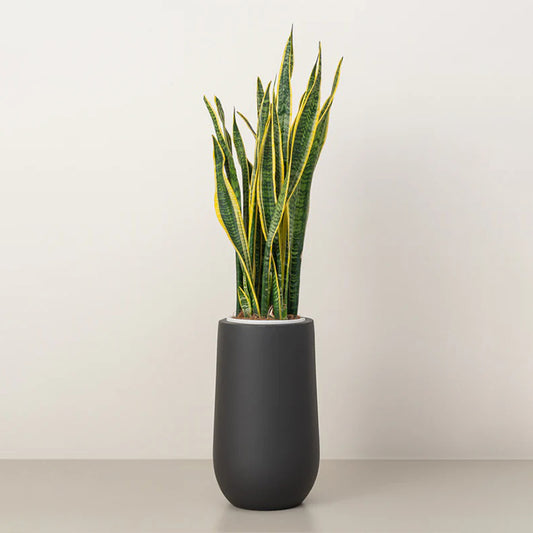
For plants that prefer drier conditions, such as snake plants, jade plants, and succulents, improve drainage by mixing in perlite or pumice. For tropical plants that enjoy steady moisture, such as monstera or calathea, a standard mix with coco coir and a small amount of bark works well. The right recipe depends on your home, too. A bright, warm room dries pots quickly, while a cool room with limited light keeps soil moist longer.
Do not add a layer of rocks to the bottom of a pot in place of drainage. This popular trick does not make excess water disappear. It can create a saturated zone higher in the container, closer to the roots. A drainage hole and an appropriate potting mix are much more effective.
Can You Use Potting Soil in a Garden Bed?
Potting soil is best used in containers, not as the main soil for a large outdoor garden bed. Filling an entire bed with bagged potting soil can be expensive, and the mix may break down faster than a well-built garden soil over time.
That said, it can be useful in small amounts. Mix potting soil into a compacted planting hole when establishing a container-sized shrub or flower, or blend it with compost to refresh a small raised planter. For larger garden beds, use compost, native soil improvements, and soil conditioners chosen for your existing soil type.
If you are planting fruit trees or outdoor ornamentals, avoid creating a small pocket of loose potting mix surrounded by dense ground soil. Roots may stay within that comfortable pocket instead of moving into the surrounding area. It is generally better to improve a wider planting area and keep the tree at its correct planting depth.
How Much Potting Soil Do You Need?
The amount depends on the shape and size of your planter. Check the pot label for its volume when available. A pot labeled in gallons makes planning easier, since you can select enough bags to match the container capacity while allowing for the space taken up by the plant's root ball.
For multiple small pots, it is usually more convenient to buy one larger bag rather than several small ones. Keep any unused potting soil sealed in a dry place. Moisture, pests, and repeated exposure to the elements can reduce its quality over time.
When repotting, you do not always need to replace every bit of old soil. If the plant is healthy and only needs a slightly larger pot, add fresh mix around the root ball. If the soil smells sour, stays wet for days, has a pest problem, or has become tightly compacted, remove more of the old medium and start with a fresh batch.
Watering After You Use Potting Soil
New potting soil can sometimes repel water at first, especially if it has dried out in storage. Water slowly in stages rather than pouring a large amount all at once. Let the first pour soak in, then water again until a little drains from the bottom.
After that first watering, follow the needs of the plant rather than a fixed calendar. Push a finger about an inch into the soil. If it feels dry, many common houseplants are ready for water. If it still feels cool and damp, wait. Succulents and drought-tolerant plants should dry out more deeply between waterings, while herbs and flowering plants often prefer more consistent moisture.
Fertilizer is another area where less is often better. Some potting soils include nutrients that feed plants for a few weeks or months. Check the bag before adding fertilizer right away. Too much fertilizer can burn roots and leave a crust on the soil surface.
Common Potting Soil Mistakes to Avoid
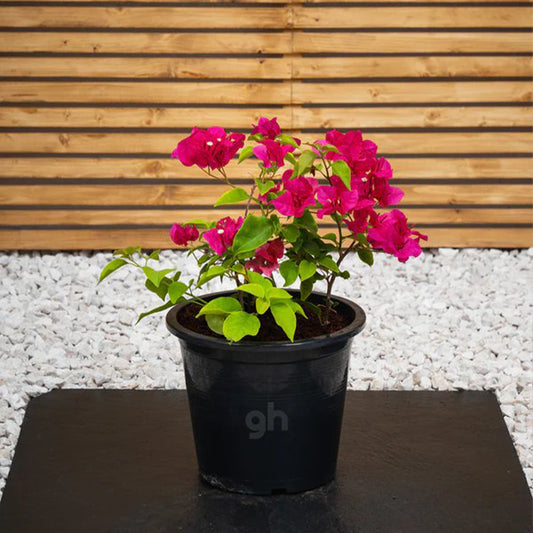
The most common mistake is treating all plants the same. A thirsty basil plant, a flowering bougainvillea, and a low-water snake plant cannot thrive on the exact same watering routine, even if they all begin in quality potting soil.
Another mistake is reusing old mix without checking its condition. Used potting soil is not automatically unusable, but it may be depleted, compacted, or carrying pests. Refresh it with new potting mix and compost for non-sensitive outdoor containers, but use fresh soil for plants that have had disease or serious insect issues.
Finally, remember that potting soil supports plant care - it does not replace light, drainage, or attentive watering. Give your plant the right foundation, place it where it can receive suitable light, and make small adjustments as you learn how quickly its soil dries. A fresh pot, a well-matched mix, and a little observation can turn even a simple corner of your home into a greener, more welcoming space.