
Monstera Plant Review: Is It Right for Your Space?
A monstera can make a plain corner feel intentionally designed almost overnight. Its large, split leaves bring instant texture and a relaxed tropical look, whether it sits beside a sofa, brightens an office reception area, or becomes the centerpiece of a bedroom. But a beautiful plant still needs to suit your light, available floor space, and care routine. This monstera plant review gives you a practical look at what living with one is really like.
Our Monstera Plant Review
The monstera, commonly called the Swiss cheese plant, earns its popularity. It is dramatic without being overly demanding, grows well indoors, and gives beginners the satisfaction of seeing noticeable progress. Healthy mature leaves develop the famous cuts and holes known as fenestrations, creating the architectural look most shoppers want.
For many homes, the Monstera deliciosa is the best-known choice. It has broad, deep green leaves and can become an impressive statement plant with time. Smaller varieties, such as Monstera adansonii, offer a lighter, more trailing look that works well on shelves, plant stands, or hanging displays. Both have character, but their final size and growth habits are quite different.
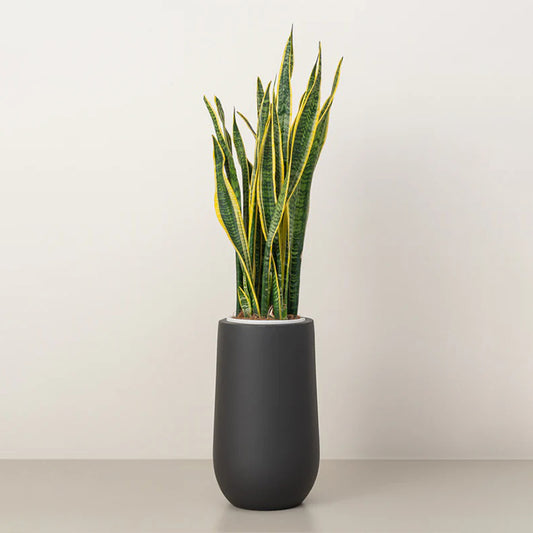
The main trade-off is simple: a monstera is easygoing, not invisible. It does not require daily attention, yet it needs more room than compact houseplants such as snake plants, lucky bamboo, or pothos. If you want greenery that makes an impact and you can give it a little space to grow, it is a very rewarding choice.
Why Monstera Plants Stand Out
A monstera has a visual presence that few indoor plants can match. The leaves are large enough to soften hard lines in modern apartments and offices, while the rich green color works with neutral, wood, colorful, and minimalist interiors. One healthy plant can make a room feel warmer without adding clutter.
It is also a plant that changes over time. New leaves often arrive tightly rolled, then slowly unfurl. Younger leaves may be solid and heart-shaped, while mature leaves develop splits as the plant becomes more established. That gradual transformation is part of the appeal. A monstera does not just fill a space - it creates a living focal point.
Monstera plants are especially useful for renters and apartment dwellers who want a bold indoor look without committing to large furniture or permanent decor. Choose a simple planter, place it near filtered natural light, and it can give a room an immediate lift.
Light: Bright Indirect Light Is the Sweet Spot
Monsteras can tolerate medium light, but they look their best in bright, indirect light. A spot a few feet from a bright window is often ideal. In this setting, the plant is more likely to grow steadily, produce larger leaves, and develop stronger fenestrations over time.
Direct, intense afternoon sun can scorch the leaves, especially when it comes through uncovered glass. Brown, dry patches or faded areas are a sign the plant may be getting more sun than it can handle. A sheer curtain can soften the light without turning the corner too dark.
Low-light rooms are not an automatic no, but expectations should be realistic. A monstera may survive in lower light, yet its growth will slow and new leaves may stay smaller or less split. If your only available spot is quite dim, a snake plant or ZZ plant may be the better fit.
Watering Without the Guesswork
Most monstera problems begin with too much care, particularly overwatering. Rather than watering on a fixed schedule, check the soil first. When the top 2 to 3 inches feel dry, water thoroughly until excess drains from the bottom of the pot. Empty any standing water from the saucer afterward.
In warmer, brighter conditions, the plant may need water more often. During cooler months or in an air-conditioned room with lower light, it will usually use less. This is why a weekly calendar reminder can be less helpful than simply checking the soil.
Yellowing lower leaves can point to overly wet soil, especially if the pot feels heavy for days. Crispy brown edges may signal inconsistent watering, dry indoor air, or a buildup of minerals. One occasional yellow leaf is normal, but repeated changes are the plant asking for an adjustment.
A pot with drainage holes is essential. Pair it with a loose, airy indoor potting mix that holds some moisture while allowing excess water to move through. Dense garden soil is not a good choice for indoor monsteras because it can stay wet around the roots for too long.
How Big Does a Monstera Get?
This is the question shoppers should ask before bringing one home. A young monstera may arrive as a neat tabletop or floor plant, but a well-cared-for Monstera deliciosa can eventually spread several feet wide and grow tall indoors. Its size is a benefit if you want a true statement plant, but it can overwhelm a narrow walkway or crowded studio.
Growth is usually manageable because it is gradual. You can rotate the plant for even growth, prune damaged or overly long stems, and repot only when it becomes root-bound. Giving it a moss pole or sturdy support also helps it grow upward instead of leaning outward. As a climbing plant, a monstera naturally appreciates something to hold onto.
If you love the leaf shape but have limited space, start with a smaller plant and place it on a stand. Monstera adansonii is another smart alternative for compact homes, although it still benefits from regular trimming if you prefer a tidy look.
Pet Safety and Everyday Placement
Monsteras are not pet-safe if chewed. Their leaves and stems contain calcium oxalate crystals that can irritate the mouth and digestive system of cats and dogs. Keep the plant out of reach of curious pets and small children, or choose a pet-friendly alternative for low surfaces.
Placement matters for the plant, too. Avoid setting it directly under an air-conditioning vent, beside a heater, or in the path of a frequently opened exterior door. Sudden temperature changes and dry blasts of air can stress the leaves.
Dust is another small but worthwhile consideration. Because monstera leaves are wide, they can collect dust that reduces their natural shine and limits light absorption. Wipe the leaves gently with a soft, damp cloth every few weeks. It is a simple habit that keeps the plant looking fresh rather than neglected.
Is a Monstera Easy for Beginners?
Yes, with one condition: beginners need to resist the urge to overwater it. Monsteras are forgiving about a missed watering now and then, and they clearly show when they are unhappy. Drooping, yellowing, leaf discoloration, and slow growth provide useful clues once you know what to look for.
They are a strong choice for someone who wants more personality than a basic low-maintenance plant. You get large leaves, visible new growth, and enough care involvement to feel connected to the plant without needing expert-level knowledge. Add a decorative planter, quality potting mix, and a support pole as it grows, and you have everything needed for a polished indoor display.
Choose a Monstera If You Want...
A monstera is a great match if you have bright indirect light, want a plant with a bold decorative effect, and are happy to let it grow into its space. It also works well for offices, living rooms, bedrooms, and entryways where a medium-to-large plant can be appreciated from across the room.
It may not be the right choice if your space is very dark, you need a completely pet-safe plant, or you prefer greenery that stays small with almost no maintenance. There is no wrong choice here - the best plant is the one that fits your real home and routine.
For a plant that brings lasting color, shape, and a little everyday calm, a monstera is hard to beat. Give it the right spot, water only when the soil calls for it, and leave room for those remarkable leaves to unfold.