
10 Plants for a Bright Living Room That Thrive
A sunny living room can make a plant look spectacular - or scorch it within a week. The difference is knowing what kind of light reaches the room and choosing plants for a bright living room that suit it. With the right match, your windows become an easy way to add height, color, and a calmer feel to the space.
Bright light does not always mean direct sun. A room with large windows, pale walls, and daylight for most of the day may be bright even if the sun never lands on the floor. That distinction matters because some plants love a few hours of direct morning sun, while others prefer strong, filtered light a few feet back from the glass.
Start by Reading Your Living Room Light
Before choosing a plant, watch the light for one day. If the sun creates sharp shadows and shines directly through the window for several hours, you have direct bright light. South- and west-facing windows usually provide the strongest exposure in the Northern Hemisphere, with west-facing rooms becoming especially hot in the afternoon.
If the room feels light-filled but sunlight is softened by sheer curtains, neighboring buildings, or a covered balcony, it offers bright indirect light. This is the sweet spot for many popular houseplants. East-facing windows often provide gentler morning sun, which works well for plants that appreciate light but do not enjoy intense heat.
A plant placed right against a hot pane of glass experiences more heat than one placed two or three feet away. Move plants farther back, use a sheer curtain, or rotate them occasionally if one side receives noticeably more sun.
The Best Plants for a Bright Living Room
Bird of Paradise for a bold focal point
Bird of paradise brings large, upright leaves and an instant statement to a sunny corner. It is a strong choice for spacious living rooms with bright indirect light and a few hours of gentle direct sun. Give it room to spread, as mature plants can become wide as well as tall.
Water when the top couple of inches of soil feel dry, then let excess water drain away. Curling leaf edges often point to low humidity, inconsistent watering, or heat from a nearby vent. A sturdy floor planter helps keep this tall plant stable and makes it feel intentional rather than crowded into a corner.
Fiddle Leaf Fig for clean, sculptural height
A fiddle leaf fig suits a bright living room with filtered sunlight. Its broad, violin-shaped leaves look striking beside a sofa, reading chair, or bare wall, especially in a simple neutral pot. It can be a little more particular than a snake plant, so it is best for someone willing to establish a routine.
Keep its location consistent once it settles in. Sudden changes in light, drafts, or watering can trigger leaf drop. Water when the top inch or two of soil dries, and wipe leaves regularly so dust does not block valuable light.
Rubber Plant for glossy, easy drama
For a similar upright look with less fuss, choose a rubber plant. Its thick, glossy leaves come in deep green, burgundy, and variegated forms, making it easy to coordinate with your room’s color palette. It thrives in bright indirect light and can handle some softer direct morning sun.
Allow the soil to dry slightly between waterings. Too much water is a more common problem than too little, particularly when the plant sits in a decorative pot without proper drainage. Choose a planter with a drainage hole and a saucer, or keep the nursery pot inside a cover pot.
Monstera for a relaxed, layered look
Monstera is a favorite for good reason: its split leaves make a room feel lively without looking overly formal. It prefers bright, indirect light, where it can produce larger leaves and develop more dramatic openings as it matures. Direct afternoon sun can bleach or burn the foliage, so place it back from a bright window or behind a sheer curtain.
A moss pole or simple support can encourage upward growth, while a low, wide pot lets it anchor a relaxed floor-level arrangement. Water when the top layer of soil is dry, and do not leave its roots sitting in water.
Snake Plant for low-maintenance structure
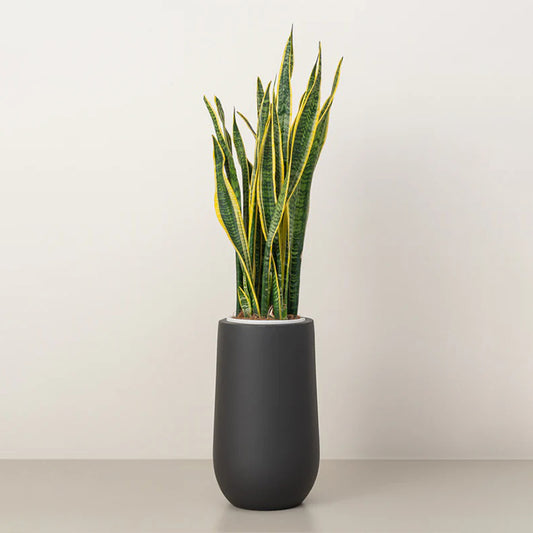
Snake plants are among the easiest ways to add vertical shape to a bright room. They tolerate bright indirect light beautifully and can also manage lower-light corners, although growth will be faster where daylight is plentiful. Their upright leaves work particularly well in narrow spaces beside a media console, entry point, or armchair.
The main rule is restraint with watering. Let the potting mix dry thoroughly before watering again. This plant stores moisture in its leaves and roots, so frequent watering can lead to rot.
ZZ Plant for bright rooms with busy schedules
A ZZ plant is another dependable choice for people who want a polished green look without a demanding care routine. Its waxy, arching stems reflect light beautifully, and it adapts well to bright indirect light. It can tolerate lower light too, but avoid placing it in harsh, direct sun for long periods.
Water only after the soil has dried well. Because the plant stores water underground, a little neglect is generally safer than too much attention. It is ideal for apartments, offices, and living rooms where plant care needs to stay simple.
Areca Palm for a softer, breezy feel
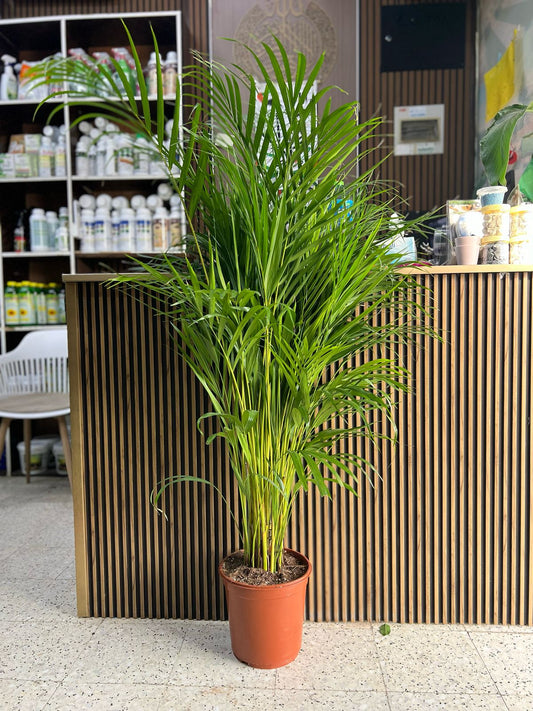
An areca palm gives a living room movement and texture. Its feathery fronds soften angular furniture and pair well with natural materials such as wood, rattan, and woven baskets. It likes bright, filtered light and appreciates an east-facing window or a spot near a sunny window with a sheer curtain.
Keep the soil lightly moist but never soggy. Brown tips can happen when air is dry, tap water is mineral-heavy, or watering is irregular. Trim only the brown portions with clean scissors rather than removing a whole green frond.
Jade Plant for sun-loving simplicity
If your living room gets true direct sun, jade plant is a practical and attractive option. Its fleshy leaves and branching shape bring character to a shelf, coffee table, or sunny windowsill. With enough light, the leaf edges may develop a soft red tint.
Use a fast-draining soil mix and a pot with drainage. Like most succulents, jade prefers to dry out between thorough waterings. It is a smart choice for sunny homes where tropical foliage plants may struggle with heat near the window.
Aloe Vera for a useful sunny accent
Aloe vera is another sun-friendly plant that looks great in a modern living room. The pointed leaves add a clean architectural shape, and the plant stays compact enough for side tables or a bright shelf. It prefers very bright light and can take several hours of direct sun once acclimated.
Water deeply, then wait until the soil dries completely. Avoid pouring water into the center of the rosette, where it can collect and cause problems. A gritty cactus or succulent mix will help its roots stay healthy.
Croton for color beyond flowers
Croton is for the living room that needs more than green. Its leaves can show vivid shades of yellow, orange, red, and deep green, bringing warmth to a neutral room without adding extra décor. Bright light helps maintain that color, and a little direct morning sun is often welcome.
Croton does prefer warmth and steady conditions. Keep it away from cold drafts and water when the top inch of soil is dry. If leaves fade, the plant likely needs more light; if edges crisp, it may be getting too much hot sun or drying out too quickly.
Style Bright-Light Plants Without Crowding the Room
Use different heights to make the arrangement feel natural. A tall bird of paradise or rubber plant can anchor one side of the room, while a monstera or palm fills the middle level. Smaller jade, aloe, or snake plants work well on a console, shelf, or plant stand.
Avoid lining every plant along the window. Grouping two or three plants at different distances from the light creates depth and lets each plant receive the exposure it prefers. It also leaves room for airflow, which helps foliage dry after watering and reduces the chance of pests.
Pots are part of the look, but drainage should come first. Ceramic planters, lightweight nursery pots, and saucers can all work together. A good soil mix, a suitable pot, and a simple watering routine will do more for plant health than an expensive decorative container.
A Simple Care Routine That Works
Bright rooms can make soil dry faster, particularly during warm months. Check soil with your finger before watering instead of following a strict calendar. Most tropical plants prefer water when the top inch or two is dry, while snake plants, ZZ plants, jade, and aloe need more time between waterings.
Turn plants a quarter turn every week or two so growth stays balanced. Wipe broad leaves with a soft damp cloth, inspect under leaves for pests, and remove yellowing foliage as needed. If the sun becomes intense at certain times of year, a sheer curtain is often all the protection a plant needs.
The best plant is not necessarily the largest or most dramatic one. Choose the plant that fits your light, your available space, and the amount of care you can realistically give. Start with one healthy plant in the right spot, then let your bright living room grow into the green sanctuary you want to come home to.