
Best Pots for Indoor Plants at Home
A healthy houseplant can struggle for one simple reason - the pot is working against it. If you are looking for the best pots for indoor plants, the right choice is not just about style. It affects drainage, root health, watering habits, and how easy your plant is to care for in real day-to-day life.
That is why pot shopping can feel oddly complicated. A planter may look perfect on a shelf, but if it holds too much moisture, tips over easily, or gives roots no room to grow, it stops being a good buy. The best option is usually the one that matches both your plant and your routine.
What makes the best pots for indoor plants?
The best indoor pot does three jobs well. It supports healthy root growth, helps manage moisture, and fits naturally into your space. When one of those pieces is missing, problems show up fast.
For beginners, drainage matters most. Many indoor plant issues start with overwatering, and pots without drainage holes make that easier to do. Even if you are careful, extra water needs somewhere to go. A saucer or outer decorative planter is much easier to deal with than root rot.
Weight matters too. A lightweight pot is easy to move, which is helpful if you rotate plants toward the light or shift them for cleaning. But larger plants like monstera, rubber plants, or bird of paradise can become top-heavy. In that case, a heavier pot gives better stability and keeps the plant from leaning or tipping.
Then there is size. A pot that is too small dries out too quickly and can crowd the roots. One that is too large can stay wet for too long, especially with slow-growing houseplants. In most cases, going 1 to 2 inches wider than the current root ball is the safest move.
Best pot materials for indoor plants
Different materials change how a pot behaves. There is no single best material for every plant, which is why it helps to think about how often you water and what kind of plant you are growing.
Ceramic pots
Ceramic pots are a favorite for indoor spaces because they look polished and decorative. Glazed ceramic, in particular, works well when you want a clean finished look for living rooms, bedrooms, or offices. These pots hold moisture longer than porous materials, which can be useful for plants that do not like drying out too fast.
The trade-off is weight. Ceramic pots can be heavy, especially in larger sizes, and that makes repotting or rearranging a bit more work. If the pot has no drainage hole, it is better used as a cover pot with a nursery pot inside rather than as the main planting container.
Terracotta pots
Terracotta is one of the most plant-friendly choices, especially for beginners who tend to overwater. The clay is porous, so it allows moisture to evaporate through the sides. That helps prevent soggy soil and keeps roots healthier for plants that prefer a drier environment.
Snake plants, succulents, cacti, and ZZ plants often do well in terracotta. The downside is that terracotta dries faster, so thirsty tropical plants may need more frequent watering. It also has a more earthy, natural look, which some people love and others see as less refined than ceramic.
Plastic pots
Plastic pots are practical, affordable, and easy to move. They are a strong choice for anyone building an indoor plant collection on a budget or for people who want lightweight pots for shelves and window ledges. They also retain moisture better than terracotta, which can help in dry indoor environments.
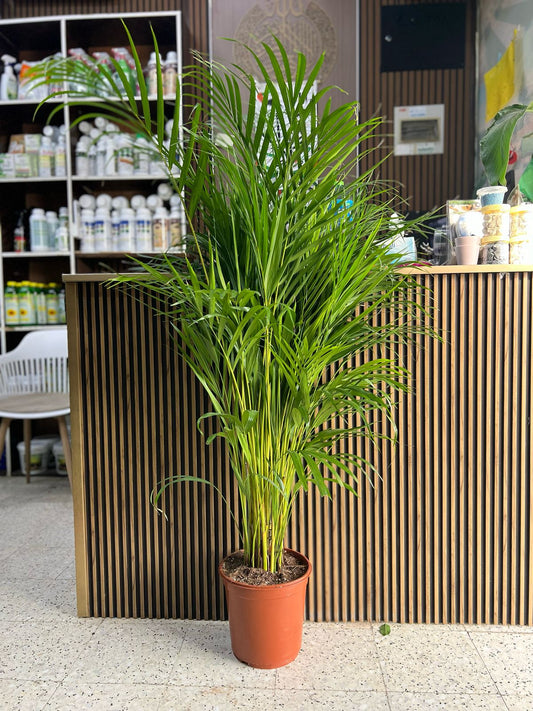
The main drawback is appearance. Some plastic pots look basic unless they are placed inside a decorative outer planter. Still, for convenience, flexibility, and value, plastic remains one of the smartest options. It is especially useful for nursery-grown plants and for people who prefer low-fuss care.
Fiberstone, resin, and composite planters
These materials are popular when you want a premium look without the weight of real stone or ceramic. They can be sleek, modern, and durable, making them a good fit for larger indoor plants or styled spaces where design matters.
They sit in a middle ground - more decorative than standard plastic, often lighter than ceramic, and generally easier to maintain. Just check for drainage before buying, because appearance can sometimes take priority over plant health in designer planters.
Choosing the right pot size
Pot size affects watering more than most people realize. Small pots dry out quickly, which can be good for plants that hate sitting in wet soil. Large pots hold more soil, and more soil holds more moisture. That is helpful for moisture-loving plants, but risky for slow growers.
A common mistake is putting a small plant into a much bigger pot so it has room to grow. It sounds efficient, but it often backfires indoors. The unused soil around the roots stays wet too long, which can lead to fungus gnats, root stress, or rot.
A better approach is gradual sizing. If your plant is rootbound or drying out too fast, move it into a pot that is slightly larger. That gives roots room without creating a moisture problem.
Why drainage is non-negotiable
If you remember one thing while shopping for the best pots for indoor plants, make it this: drainage holes are worth it. They give you margin for error, and every indoor plant owner needs that.
Without drainage, water collects at the bottom of the pot. Even if the topsoil feels dry, the roots below can stay wet. That is exactly the kind of hidden problem that leads to yellow leaves, mushy roots, and unhappy plants.
If you fall in love with a pot that has no holes, use it as a decorative outer planter. Keep the plant in a slightly smaller nursery pot inside it. That way you get the look you want and the drainage your plant needs.
Matching the pot to the plant
Some indoor plants are easygoing, but many have clear preferences. Matching the pot to the plant helps simplify care.
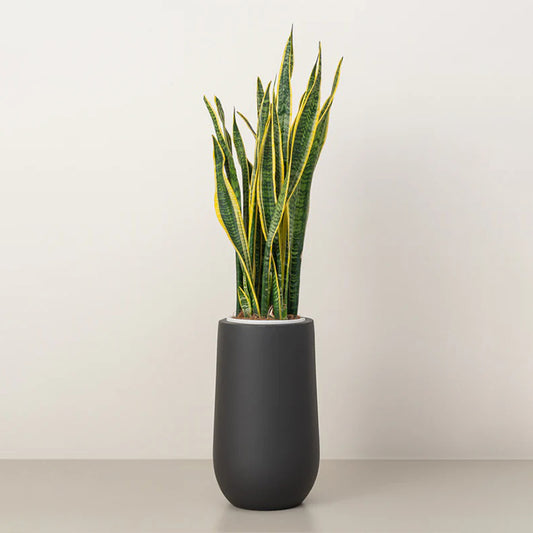
Succulents and cacti usually do best in terracotta with strong drainage because they prefer to dry out between waterings. Snake plants and ZZ plants like similar conditions, so breathable pots are often a good fit.
Tropical plants like pothos, peace lilies, philodendrons, and monsteras can do well in ceramic or plastic pots with drainage, since these materials hold moisture a bit longer. That suits plants that enjoy evenly moist soil, though not soggy roots.
Large statement plants benefit from sturdy containers. A heavier ceramic or composite planter can keep taller plants more stable and reduce the chance of tipping. For trailing plants on shelves, lightweight pots are often easier to manage.
Style matters, but function comes first
Indoor pots are part of your decor, so style absolutely matters. The right planter can make a simple green plant feel more intentional in the room. Neutral tones work almost anywhere, while textured finishes or bold shapes can create more of a focal point.
Still, function should lead the decision. A beautiful pot that traps water or makes repotting difficult will quickly become frustrating. The best shopping choice usually blends both - a pot that looks good in your home and supports the plant inside it.
If you like switching decor seasonally, simple nursery pots placed inside decorative covers can be a smart setup. It gives you more flexibility without disturbing the plant every time you want a new look.
A smart way to shop for indoor pots
When buying pots online or in-store, think beyond the photo. Check the material, confirm drainage, and compare the listed size to your plant's current container. This saves time, avoids returns, and helps you choose something that will actually work once it arrives.
It also helps to shop where plants and care accessories are available together. If you are buying a new planter, you may also need fresh potting mix, pebbles, saucers, or plant food. Getting everything in one order makes the process easier, especially for busy homes and offices.
For many indoor setups, the most reliable combination is simple: a correctly sized pot with drainage, a saucer or outer cover, and soil suited to the plant type. It is not flashy, but it works.
A good pot does more than hold a plant. It makes care easier, protects root health, and helps your space feel finished. Choose one that supports how you actually live, and your indoor plants will reward you by looking better with a lot less guesswork.