
Vertical Gardening Trends for Smaller Spaces
A blank balcony wall can do more than frame the view. It can hold herbs for dinner, trailing foliage for shade, or flowering color that makes a compact outdoor area feel finished. That is why vertical gardening trends continue to appeal to apartment dwellers, homeowners, and anyone who wants more greenery without giving up valuable floor space.
Vertical gardens are no longer limited to elaborate living-wall installations. The most useful ideas are often the simplest: a row of wall-mounted planters, a trellis with climbing plants, or stacked pots arranged where light is strongest. The right approach depends on your space, sun exposure, watering routine, and how much maintenance you want to take on.
Vertical Gardening Trends That Work in Real Homes
The biggest shift in vertical gardening is toward flexible, livable setups. People want plant displays that look beautiful but are also easy to water, refresh, and adapt as the seasons change. Instead of treating every wall like a permanent landscape project, many gardeners are choosing modular systems that grow with their confidence.
Modular planters make change easy
Individual wall pockets, rail planters, hanging containers, and stackable planters are popular for a good reason: they are easier to manage than one large shared planting system. If one plant struggles, you can replace it without disturbing the rest of the display. You can also move planters to follow better light or bring tender plants indoors when temperatures rise or drop.
This format works especially well for renters and beginners. Choose containers with drainage holes and leave enough space between rows for airflow. A crowded wall can look lush at first, but poor air circulation may lead to fungal problems, especially when watering is frequent.
Edible walls are becoming everyday gardens
Vertical growing is increasingly practical, not purely decorative. Fresh herbs are ideal for wall planters because they stay within reach of the kitchen and do not need deep containers. Mint, basil, thyme, oregano, parsley, and chives can create a useful green wall in a sunny spot.
Leafy greens can also work in cooler periods, while compact chili peppers and strawberries add color and harvest potential. The trade-off is that edible plants usually need more consistent watering and feeding than decorative foliage. A wall of herbs is convenient, but it will not thrive on occasional attention alone. Use a quality potting mix and a balanced fertilizer suited to edible plants.
Trellises bring height without visual clutter
A simple trellis is one of the most effective ways to create a vertical garden. It gives climbing plants a clear structure, adds privacy, and makes a narrow patio or balcony feel more layered. Rather than filling every inch with containers, a trellis introduces height with a lighter, more open look.
Flowering climbers are a natural choice for sunny outdoor spaces, while jasmine varieties can bring fragrance near a seating area. In very hot locations, check the plant's sun tolerance before placing it against a west-facing wall. Reflected heat from concrete, glass, and metal can be more intense than a plant label suggests.
Indoor green walls are getting softer
Indoors, the trend is moving away from complicated, high-maintenance living walls and toward relaxed arrangements of shelves, hanging pots, and vertical plant stands. This creates the same sense of height and abundance while making each plant easier to inspect and care for.
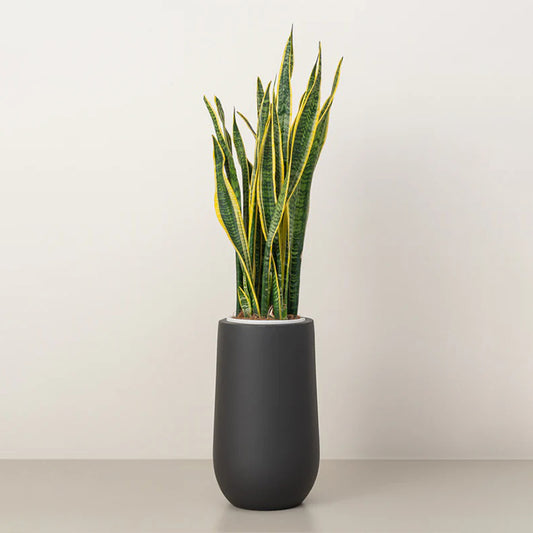
Trailing plants such as pothos and heartleaf philodendron are especially effective because their vines naturally soften shelves and wall-mounted planters. Snake plants add upright structure, while compact varieties of monstera can create a stronger statement in brighter rooms. Combining upright and trailing shapes prevents a vertical display from looking flat.
Choose Plants for the Conditions, Not the Photo
The best vertical garden is not necessarily the one with the most plants. It is the one that matches the conditions of the wall or balcony. Before choosing anything, spend a day noticing how much direct sun the area receives, where wind is strongest, and whether nearby buildings create shade at certain times.
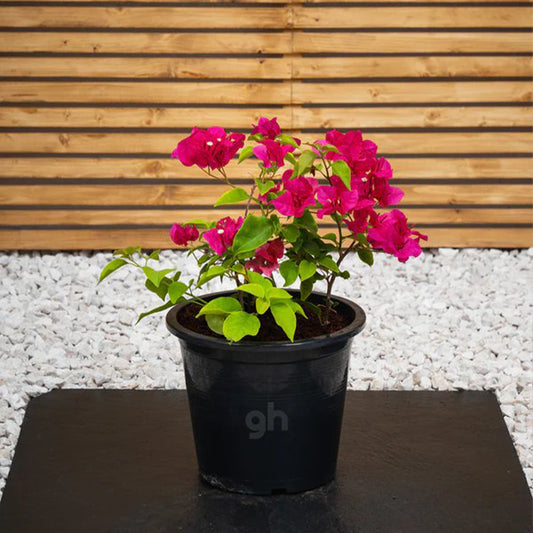
For bright, sunny outdoor spaces, bougainvillea, flowering climbers, herbs, and many succulents can be good candidates. They need containers that drain freely and enough room for roots to develop. For filtered light or bright indoor rooms, pothos, philodendron, lucky bamboo, and snake plants are easier choices for beginners.
Be realistic about weight, too. Soil becomes heavy after watering, and a large ceramic pot can add significant load to a railing or wall bracket. Use hardware rated for the intended weight, keep heavier planters lower down, and never attach containers to an unstable surface. A stylish display should also feel secure every time you open the door or walk past it.
Watering Is the Make-or-Break Detail
Vertical gardens dry out faster than garden beds because they use smaller volumes of soil and are more exposed to air and sun. Upper planters may dry first, while lower containers can stay damp longer. That means a single watering habit may not suit every level of the garden.
Self-watering planters and drip irrigation kits are growing in popularity because they reduce the daily guesswork. They are particularly helpful for a sunny balcony, a busy household, or a large multi-pot arrangement. Still, irrigation is not a complete substitute for checking plants. Emitters can clog, weather changes quickly, and different plants use water at different rates.
If you are watering by hand, test the soil before reaching for the watering can. Herbs and flowering plants generally prefer evenly moist soil, while snake plants and succulents need the mix to dry more thoroughly between waterings. Water slowly until excess drains from the bottom, then empty any saucer that stays full for long periods.
Texture, Color, and Containers Matter More Than Matching Sets
Perfectly matching planters can look polished, but a vertical garden often feels more inviting when there is a little variety. Mix foliage shapes, leaf sizes, and shades of green. Add one or two flowering plants for seasonal color rather than trying to make every container bloom at once.
Container choice also affects plant health. Terracotta is breathable and suits plants that prefer drier roots, but it can dry out quickly in warm conditions. Plastic and resin planters retain moisture longer and are lighter for wall-mounted displays. Metal planters may look modern, but they can heat up rapidly in direct sun, so use them thoughtfully.
A balanced layout usually has a few anchor plants, smaller fillers, and trailing plants that connect the levels. Start with less than you think you need. Plants grow, vines lengthen, and a little open space helps the display look intentional rather than crowded.
A Smart Starting Plan for Beginners
If a full planted wall feels intimidating, begin with three to five containers in one well-lit area. Try an upright plant, a trailing plant, and a useful edible option such as mint or basil. This small setup lets you learn how quickly the location dries out and whether the plants receive enough light.
Once the first group is thriving, add a second level or a trellis. Choose pots, soil, fertilizer, gravel, and basic care tools at the same time so your garden has a strong start. Plants House makes this easier by bringing plants and everyday garden essentials together, helping you spend less time searching and more time enjoying the space you are creating.
A vertical garden does not need to cover an entire wall to change how a home feels. Start with the light you have, choose plants that suit your routine, and let the arrangement grow naturally over time.