
Ceramic Pots vs Plastic Pots for Your Plants
A healthy plant can struggle in a beautiful pot if the container does not match its needs. When choosing ceramic pots vs plastic pots, the best option is not simply the one that looks nicest. It depends on where the plant will live, how often you water, how much sun the area receives, and whether you need a planter that is easy to move.
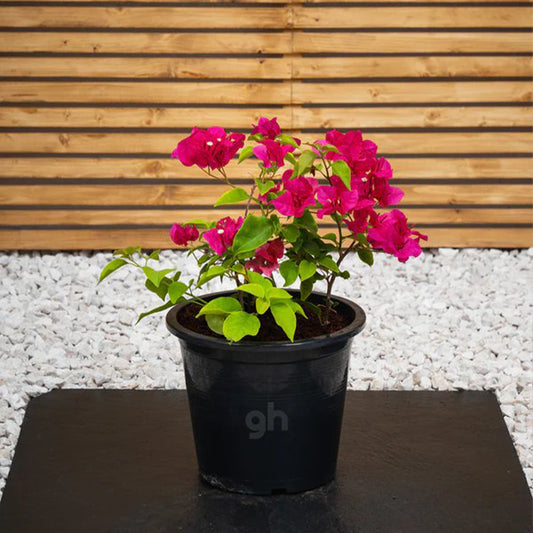
For a small apartment shelf, a lightweight plastic pot may make daily plant care easier. For a statement monstera in a living room or a flowering plant on a covered patio, ceramic can add the polished finish that makes the whole space feel more complete. Here is how to choose with confidence.
Ceramic Pots vs Plastic Pots: The Main Difference
Ceramic and plastic pots support plants in different ways. Ceramic pots are usually heavier, more decorative, and better at staying in place. Plastic pots are lighter, more affordable, and practical for growers who move plants, repot frequently, or need several containers at once.
The most useful question is not, “Which pot is best?” Instead, ask, “Which pot makes it easiest for this plant to thrive in my space?” A sun-loving lemon tree, a low-maintenance snake plant, and a thirsty mint plant will not all need the same setup.
Drainage matters more than the pot material itself. Whichever style you choose, look for a drainage hole or place the nursery pot inside a decorative cachepot. Roots sitting in trapped water are far more likely to rot than roots planted in either ceramic or plastic.
Why Choose Ceramic Pots?
Ceramic pots bring weight, color, and an elevated look to plant displays. They are especially popular indoors, where a pot is part of the room’s decor rather than just a growing container. From simple neutral finishes to bright glazed designs, ceramic planters can make even an easy-care plant feel like a focal point.
They are stable for larger plants
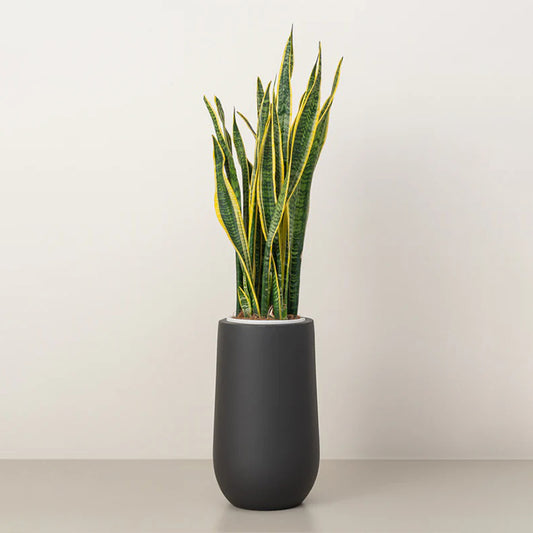
A ceramic pot is harder to tip over than a lightweight plastic one. This is helpful for tall indoor plants such as bird of paradise, monstera, and larger snake plants, especially in busy homes with children or pets. The added weight can also be useful on balconies and patios where wind may move lighter containers.
That stability comes with a practical trade-off. Once filled with soil and a mature plant, a ceramic pot can be difficult to lift. If you regularly rearrange your space or need to bring plants indoors during extreme weather, choose a size you can safely manage.
They can help soil dry more evenly
Unglazed ceramic, often called terracotta, is porous. It allows some moisture to evaporate through the sides of the pot, which can be useful for plants that prefer drier soil. Succulents, cacti, and snake plants often do well in terracotta because the pot supports a faster drying cycle.
Glazed ceramic is less porous, so it behaves more like a sealed container. It still offers the same stylish appearance and weight, but it will not dry soil as quickly as terracotta. This makes glazed ceramic a good choice for plants that prefer more consistent moisture, as long as the pot has proper drainage.
They create a finished, decorative look
For living rooms, entryways, offices, and covered outdoor areas, ceramic pots are an easy way to make greenery feel intentional. A statement planter can complement furniture, soften a work corner, or bring color to a patio without adding clutter.
Ceramic is often worth the investment when the pot will stay in one visible location for a long time. Think of it as part plant container, part home accessory.
Points to consider before buying ceramic
Ceramic is more likely to crack if dropped. It can also crack outdoors when exposed to freezing temperatures, though that is less of a concern in warm climates. In strong direct sun, dark ceramic finishes may become hot, so check soil moisture more often and avoid placing sensitive roots in an overheated container.
Always place indoor ceramic pots on a saucer or protective surface. Even a pot with a drainage hole can leave moisture marks on wood, stone, or painted furniture.
Why Choose Plastic Pots?
Plastic pots are the everyday workhorses of plant care. They are light, versatile, widely available, and a smart choice when you are building a plant collection without overspending on containers. Modern plastic planters also come in many colors and finishes, including styles designed to resemble ceramic, concrete, or woven materials.
They are easy to move and repot
Plastic pots are ideal for apartment dwellers, balcony gardeners, and anyone who likes to change their plant layout. A large plastic planter filled with soil is still much easier to lift than a similar ceramic one.
This can be especially helpful for outdoor plants that need seasonal adjustments. If a plant needs more shade, shelter from strong winds, or a different spot for better growth, moving it is far less of a chore.
Plastic is also a practical choice for young plants. Many plants outgrow their pots as they establish stronger roots, and it makes sense to use an affordable container until they reach their more permanent home.
They retain moisture longer
Unlike unglazed terracotta, plastic does not absorb water from the soil. This can benefit moisture-loving plants, including herbs such as mint and basil, as well as many tropical houseplants. If your home is warm, bright, or air-conditioned, plastic can help soil stay moist a little longer between waterings.
The trade-off is that overwatering becomes easier. If you tend to water on a schedule rather than checking the soil first, choose a pot with drainage holes and use a well-draining potting mix. For plants that like to dry out fully, such as succulents, you may need to water less often than expected.
They are budget-friendly for bigger projects
If you are planting a balcony garden, organizing several herbs, starting seeds, or refreshing a patio, plastic pots can keep the project affordable. They are also useful as nursery pots inside decorative planters. This gives you the freedom to lift a plant out for watering, inspect its roots, and switch out the outer pot whenever you want a new look.
For families and office spaces, plastic can also be the lower-risk choice in areas where pots may be bumped, moved, or handled often.
Points to consider before buying plastic
Lightweight pots can topple in wind or under the weight of a tall plant. Choose a wider base, add a heavier outer planter, or place heavier gravel carefully at the bottom only if drainage remains clear. In very hot direct sunlight, thin dark plastic can heat up quickly and may become brittle over time.
Look for sturdy, outdoor-rated plastic when buying planters for exposed patios and gardens. A thicker pot will generally last longer and provide better support for developing roots.
Match the Pot to the Plant and Location
A few simple pairings can make your decision easier. Terracotta ceramic is a natural match for cacti, succulents, and snake plants because it helps their soil dry faster. Glazed ceramic works well for decorative indoor plants that stay in one place, such as monstera, peace lilies, and bird of paradise.
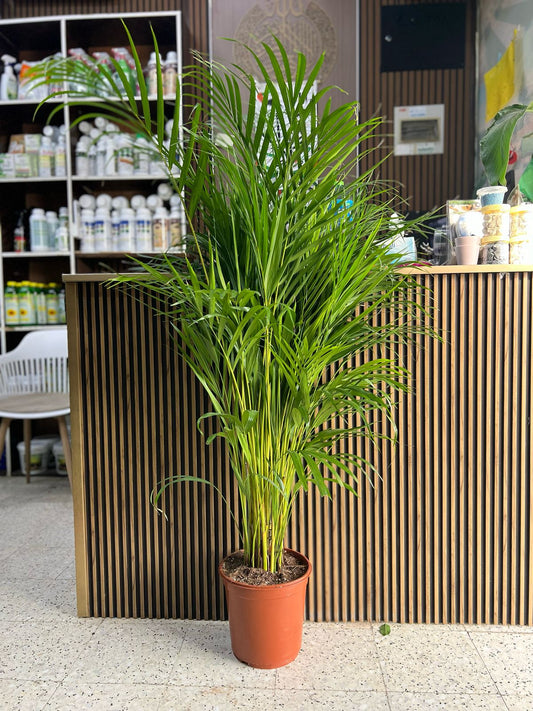
Plastic pots are useful for leafy tropical plants, herbs, starter plants, and outdoor containers you may need to move. They are also a smart option for fruit trees while they are young and growing. As a tree becomes larger and top-heavy, a wider, heavier container may provide better stability.
For a balcony or patio, consider the full weight of the pot after watering. Ceramic can be a beautiful choice for one or two permanent statement plants, while plastic is often more practical for a larger collection. If the area receives intense afternoon sun, give both materials some protection and check moisture before watering.
Do Not Let Style Replace Good Drainage
Decorative pots without holes can still have a place in your home, but use them as outer covers rather than direct planting containers. Keep the plant in a plastic nursery pot with drainage, then place it inside the ceramic or decorative pot. When it is time to water, remove the inner pot, let excess water drain fully, and return it once dripping has stopped.
This setup is especially helpful for shelves, desks, and other surfaces where water damage is a concern. It also makes it easier to refresh your decor without disturbing the plant’s roots.
The Right Pot Should Make Plant Care Easier
Choose ceramic when you want stability, a premium decorative finish, and a long-term home for a plant that will stay put. Choose plastic when you value lighter weight, easier movement, lower cost, and moisture retention. Many happy plant owners use both: practical plastic pots for growing and repotting, then ceramic planters for the plants that deserve center stage.
The best container is the one that gives your plant drainage, enough root room, and a place in your home where you will enjoy caring for it. Start with the plant’s needs, then choose the pot that makes bringing more green into your space feel simple and rewarding.