
12 Best Low Light Houseplants for Easy Care
That empty corner by the sofa, the desk far from the window, the hallway that never seems to get enough sun - these are exactly where the best low light houseplants earn their place. You do not need a bright, plant-filled sunroom to enjoy indoor greenery. You just need the right plants for the way your space actually works.
Low light does not mean no light, and that distinction matters. Most houseplants still need some ambient brightness from a nearby window, open doorway, or well-lit room. But if your home or office gets filtered light, indirect light, or only a few gentle hours of brightness each day, there are several plants that will still look great without turning care into a full-time job.
What makes the best low light houseplants worth buying?
The best choices do more than survive in dimmer conditions. They hold their shape well, keep a healthy leaf color, and do not become fussy if you miss a watering day. For busy households, apartments, and offices, that combination is what makes a plant feel easy instead of stressful.
It also helps to be realistic about the room. A plant labeled low light tolerant may grow more slowly than it would in brighter conditions. Variegated plants can lose some contrast in darker spots. And if a room has no natural light at all, even the toughest plant will usually need a grow light to stay healthy long term.
12 best low light houseplants for real living spaces
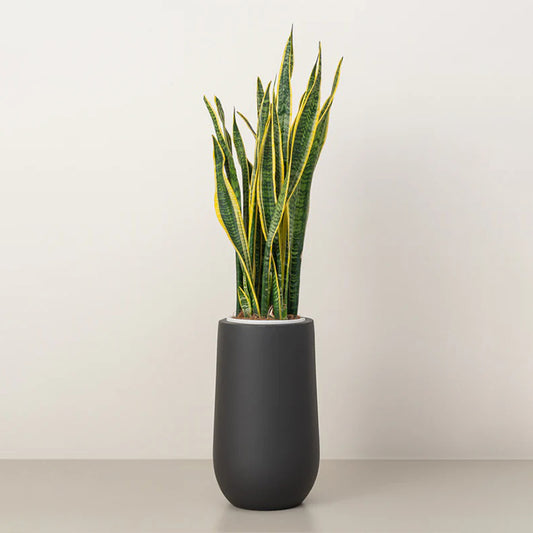
Snake Plant
Snake plant is one of the most dependable choices for beginners, and for good reason. Its upright, sculptural leaves look clean and modern, and it handles lower light better than most indoor plants.
It is also forgiving about watering. Let the soil dry out between waterings, and do not keep it constantly damp. If you want something that works in bedrooms, offices, entryways, or corners that get soft indirect light, this is one of the safest picks.
ZZ Plant
If you want a plant that seems almost too easy, choose a ZZ plant. Its glossy leaves stay attractive for long stretches with very little intervention, and it tolerates low light exceptionally well.
The trade-off is growth speed. In dim spaces, ZZ plants tend to grow slowly, so do not expect quick changes. But if your priority is a polished look with minimal care, that slow pace is often a benefit.
Pothos
Pothos is one of the most flexible houseplants you can bring home. It trails beautifully from shelves, hangs well in baskets, and can also be trained upward.
It adapts to lower light, though brighter indirect light usually brings faster growth and stronger leaf color. In darker rooms, it may become less full over time, so occasional trimming helps keep it dense and tidy.
Heartleaf Philodendron
For a softer, more relaxed look, heartleaf philodendron is hard to beat. The trailing vines and heart-shaped leaves make it feel lush without demanding much attention.
It does well in medium to low light and is generally easy to read. If the leaves start looking limp, it usually needs water. If the stems stretch too much, it likely wants a little more brightness.
Peace Lily
Peace lily is a favorite for people who want greenery with a slightly more elegant finish. Its deep green leaves look rich in lower light, and under the right conditions it can also produce its signature white blooms.
This is where expectations matter. Peace lilies can tolerate lower light, but blooming is usually better in brighter indirect light. If you mainly want a foliage plant for a dim room, it is still a strong choice.
Cast Iron Plant
The name tells you a lot. Cast iron plant has earned its reputation by handling neglect, lower light, and less-than-perfect indoor conditions better than many fussier varieties.
Its long, arching leaves bring a calm, classic feel to a room. It is especially useful if you want greenery for a hallway, shaded corner, or office setting where conditions are steady but not especially bright.
Aglaonema
Aglaonema, often called Chinese evergreen, is one of the easiest ways to add color to a low light plant collection. Many varieties have patterned leaves in green, silver, pink, or red tones.
Some of the more colorful types prefer a bit more indirect light to keep their best color, so placement matters. Still, for a plant that combines visual impact with easy care, aglaonema is a smart buy.
Lucky Bamboo
Lucky bamboo works well in compact spaces, desks, side tables, and gift settings. It tolerates lower light and has a clean, simple shape that fits almost anywhere.
Many people grow it in water, which can be convenient, but clean water and occasional changes are important. If you prefer even more stability, growing it in a container with pebbles and water can keep it neat and low maintenance.
Dracaena
Dracaena comes in several forms, but many varieties are reliable in lower light and add height without taking up too much floor space. That makes them especially useful for apartments and office corners.
They like a balanced approach. Too much water causes problems faster than too little, so it is better to check the soil before watering. If you want a statement plant that does not need direct sun, dracaena is a strong option.
Spider Plant
Spider plant is known for its arching leaves and easygoing nature. It can tolerate lower light, though it usually looks fullest and produces more baby plants in brighter indirect light.
That does not make it a bad low light option. It just means it may stay a little quieter in dim rooms. For kitchens, shelves, or hanging planters in moderately lit spaces, it still performs well.
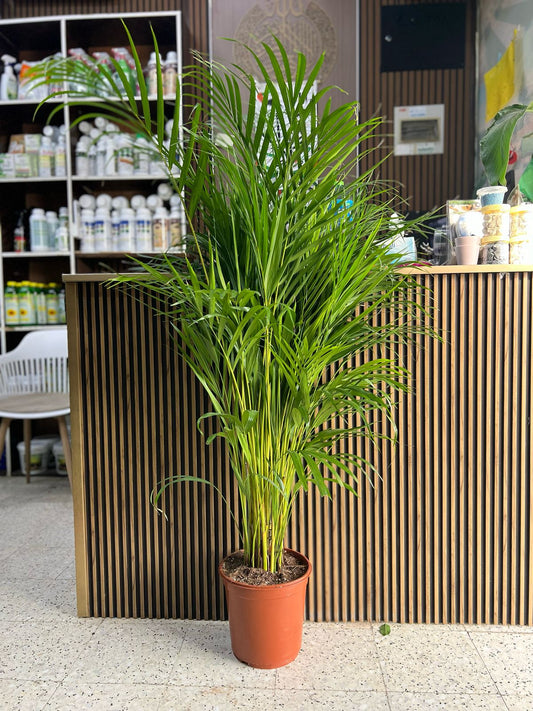
Parlor Palm
Parlor palm brings a softer, classic indoor look and has long been a favorite for low light interiors. Its feathery foliage adds texture without feeling heavy.
It is a good fit if you want a plant that looks calm and refined rather than bold or architectural. Keep the soil lightly moist but not soggy, and give it protection from harsh afternoon sun.
Syngonium
Syngonium, or arrowhead plant, is a versatile choice that can stay compact or begin to trail as it matures. It adapts well to indoor spaces and generally handles lower light better than many decorative foliage plants.
Like other patterned plants, leaf color can shift depending on the light it receives. If you want a plant that feels lively and a little more decorative while still being manageable, syngonium is worth considering.
How to choose the best low light houseplants for your room
Start with the purpose of the space. For a bedroom or office, cleaner shapes like snake plant, ZZ plant, and dracaena often work best because they look tidy and do not need frequent attention. For shelves and hanging planters, pothos and heartleaf philodendron create a fuller, softer look.
Then think about your care habits. If you tend to forget watering, choose plants that prefer drying out a bit, such as snake plant or ZZ plant. If you like checking on your plants regularly, peace lily or parlor palm may feel more intuitive because they show their needs more clearly.
Size matters too. A compact desk plant like lucky bamboo solves a different problem than a floor plant like dracaena or parlor palm. Buying the right scale from the start makes the room feel intentional instead of crowded.
Care tips that actually help in low light
The biggest mistake in low light is overwatering. Because plants use water more slowly in dimmer conditions, wet soil tends to stick around longer. That is why so many low light plants decline from too much care, not too little.
Use pots with drainage whenever possible, and check the top inch or two of soil before watering. Keep leaves free of dust so the plant can make the most of the light it gets. Rotating the pot every couple of weeks can also help growth stay more balanced.
If a plant starts stretching, leaning hard toward the window, or losing lower leaves, it may be telling you the spot is too dark. In that case, moving it a little closer to natural light often makes a noticeable difference.
When low light plants are the smartest choice
Not every room can support a sun-loving plant, and there is no benefit in forcing it. The best low light houseplants are practical because they match real homes, real schedules, and real lighting conditions. They help you add life to spaces that might otherwise stay plain, without creating a care routine that feels complicated.
If you are shopping for your first indoor plant, start with one of the tougher options and let success build from there. A greener home does not begin with perfect conditions. It begins with choosing plants that are ready to meet you where you are.
A dim room is not a dead zone for style. With the right plant, it can become one of the most inviting parts of your home.