
Why Are Leaves Turning Yellow on Your Plant?
You water your plant, give it a bright spot, and try not to fuss over it too much - then one morning a leaf turns yellow. If you're wondering why are leaves turning yellow, the answer is usually less mysterious than it feels. Yellow leaves are a plant's way of telling you something is off, but the cause can range from totally harmless aging to a care issue that needs attention.
The trick is not to panic and not to guess. A yellow leaf by itself does not always mean your plant is in trouble. What matters is the pattern. Is it one older leaf at the bottom? Several leaves all at once? Are they yellow and limp, or yellow and crispy? Once you read those signals, the fix becomes much easier.
Why are leaves turning yellow? Start with the pattern
Before changing your watering routine or moving the plant across the room, take a close look. Yellowing that starts on the oldest, lowest leaves can be natural. Plants shed older growth over time, especially after being moved, repotted, or adjusting to a new environment.
If many leaves are yellowing quickly, that usually points to stress. The most common culprits are overwatering, underwatering, poor drainage, lighting issues, temperature swings, pests, or nutrient imbalance. Different plants react differently too. A snake plant can tolerate missed waterings better than mint, and a monstera will complain about poor light in a different way than a lemon tree.
Overwatering is the most common cause
If yellow leaves feel soft or look pale and droopy, overwatering is often the issue. This does not just mean watering too often. It can also mean the pot holds moisture too long, the soil drains poorly, or excess water has nowhere to go.
Roots need oxygen as much as moisture. When soil stays soggy, roots struggle, and the leaves often turn yellow first. In more advanced cases, you may notice black stems, mushy roots, or a sour smell from the soil.
To fix it, let the top layer of soil dry before watering again. Make sure the pot has drainage holes and the soil matches the plant. Indoor tropical plants usually prefer a loose, airy mix, while succulents need faster drainage. If the soil stays wet for days, repotting into a better-draining mix can make a big difference.
Underwatering can look similar, but it feels different
Yellow leaves are not always a sign of too much water. Sometimes the plant has gone too dry for too long. In that case, leaves may yellow, curl, and turn crispy at the edges. The potting mix may pull away from the sides of the pot, and the plant may feel unusually light when you lift it.
This happens often with balcony plants, thirsty herbs, flowering containers, and smaller nursery pots that dry out fast. Outdoor plants in heat can also need water far more often than people expect.
The solution is consistency rather than flooding the plant once and forgetting it again. Water thoroughly until excess drains out, then check the soil regularly. A simple finger test works well for many houseplants. If the top inch is dry, it may be time to water, but always match that rule to the plant type.
Light problems can trigger yellow leaves
A plant that is getting the wrong amount of light may also start yellowing. Too little light often causes slow yellowing, weak stems, and fewer new leaves. Too much direct sun can bleach leaves, creating yellow patches or scorched areas.
This is where placement matters more than good intentions. A bird of paradise near a dim corner will not behave like one near a sunny window. Likewise, a shade-loving indoor plant placed in harsh afternoon sun may yellow from stress.
If the plant is stretching toward light, losing lower leaves, or staying wet for too long, it may need a brighter spot. If the yellowing appears with brown, burned patches, especially on exposed leaves, pull it back from intense direct sun. Bright indirect light is often the safest middle ground for many indoor favorites.
Nutrient issues are possible, but less common than watering problems
People often reach for fertilizer the minute leaves turn yellow, but that is not always the answer. If a plant is overwatered or sitting in poor light, adding fertilizer can make things worse.
That said, nutrient deficiencies do happen, especially in fast-growing plants, fruiting plants, flowering varieties, or anything that has been in the same potting soil for a long time. Nitrogen deficiency often causes older leaves to turn yellow first. Iron deficiency tends to show as yellowing between green veins, usually on newer growth.
If you suspect nutrition is the problem, feed during the active growing season with a balanced fertilizer suited to the plant. Follow the label carefully. More fertilizer does not equal faster recovery, and overfeeding can damage roots and cause more stress.
Poor drainage and root stress
Sometimes the watering schedule is fine, but the roots are still struggling. That is usually a drainage problem. Decorative pots without holes, compacted soil, or roots circling tightly inside the pot can all lead to yellow leaves.
When roots run out of room, the plant may dry out too fast or fail to absorb water evenly. You may notice yellowing, slowed growth, and roots pushing out of the drainage holes. If the plant is root-bound, move it to a slightly larger pot rather than a dramatically bigger one. Fresh soil gives the roots room to recover without staying wet for too long.
Temperature and environmental stress
Plants like stability more than people think. A blast of air conditioning, hot draft from a window, sudden move outdoors, or chilly night can trigger yellow leaves. This is especially common after delivery, repotting, or seasonal changes.
Indoor plants may react when placed near vents or doors that open often. Outdoor plants can yellow after heat spikes, strong wind, or sudden changes in sun exposure. The timing matters here. If the yellowing started right after a move, the plant may simply be adjusting.
Give it a little time before making more changes. If the environment is now suitable, many plants settle in and resume healthy growth within a few weeks.
Pests can hide in plain sight
If watering and light seem right, inspect the leaves closely. Spider mites, aphids, mealybugs, scale, and whiteflies can all cause yellowing by feeding on plant sap. Some pests leave sticky residue, speckled leaves, fine webbing, or distorted new growth.
Check both the top and underside of leaves, along with stems and leaf joints. Catching pests early is the big advantage. A gentle rinse, pruning badly affected leaves, and using a suitable plant protection product can usually stop the spread before it becomes a bigger problem.
Why are leaves turning yellow on outdoor plants?
Outdoor plants add a few more variables. Heat stress, inconsistent watering, compacted garden soil, and nutrient loss from frequent watering can all lead to yellow leaves. Flowering plants and edible plants are especially quick to show stress because they use so much energy producing blooms or fruit.
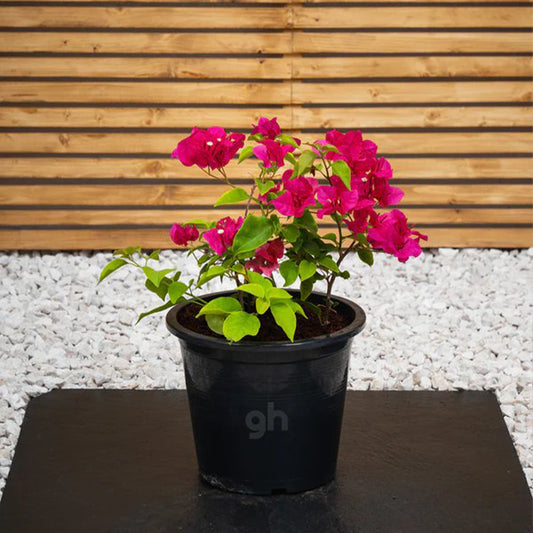
Container plants outdoors often need more attention than plants in the ground. Pots heat up faster, dry out faster, and lose nutrients faster. If your bougainvillea, herbs, or young fruit tree starts yellowing, check moisture first, then sun exposure, then feeding. It usually comes down to one of those three.
When yellow leaves are normal
Not every yellow leaf needs treatment. Older leaves naturally fade and drop as the plant puts energy into new growth. This is common on mature houseplants, recently transported plants, and seasonal outdoor plants.
If the rest of the plant looks healthy, growth is steady, and only an occasional lower leaf turns yellow, that is usually normal housekeeping. You can trim the leaf once it is fully yellow, or let the plant drop it on its own.
What to do right now
If your plant has yellow leaves, start simple. Check the soil moisture with your finger. Look at the light it receives over the course of the day. Inspect the pot for drainage and the leaves for pests. Think back to any recent changes like repotting, moving rooms, or missed waterings.
Then make one correction at a time. Plants need a little time to respond, and changing everything at once can make the real problem harder to spot. A yellow leaf usually will not turn green again, so watch the new growth. Healthy new leaves are the best sign that your plant is back on track.
A yellow leaf is not a failure. It is useful feedback. Once you know what your plant is asking for, getting it healthy again is usually much easier than it looks.