
10 Low Maintenance Indoor Plants to Try
A plant that drops leaves the second you forget one watering is not helping anyone. For busy homes, first apartments, workspaces, and rooms that do not get perfect sun, low maintenance indoor plants make a lot more sense. They bring life, color, and a calmer feel to a space without turning plant care into another task on your list.
The good news is that easy indoor plants are not boring. Some have bold, architectural leaves. Others stay compact and neat on a shelf or desk. A few even handle air conditioning, inconsistent routines, and lower light better than people expect. The trick is choosing plants that match real living conditions, not fantasy greenhouse conditions.
Why low maintenance indoor plants work so well
Most people do not need a rare specimen with a strict watering schedule. They need a plant that still looks good if the week gets busy, the curtains stay half closed, or the room runs a little dry. That is why low maintenance indoor plants are such a smart choice for modern homes and offices.
They remove a lot of the hesitation that comes with buying plants in the first place. If you are new to plant care, you can start with something forgiving and build confidence. If you already love greenery, these plants fill corners, shelves, and entryways without demanding constant attention. They also pair well with simple care essentials like the right pot, a well-draining soil mix, and basic plant food.
There is one trade-off, though. Low maintenance does not mean no maintenance. Even the easiest houseplant can struggle if it sits in a dark hallway for months or stays soaked in a pot with no drainage. Easy-care plants are forgiving, but they still need the basics.
10 low maintenance indoor plants worth bringing home
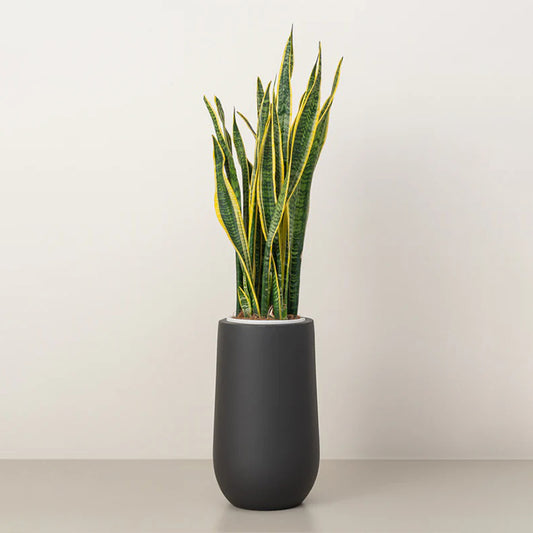
Snake plant
Snake plant is one of the easiest wins in indoor gardening. Its upright leaves look clean and modern, and it tolerates missed waterings better than most houseplants. It does well in bright indirect light, but it can also handle lower light conditions.
The biggest mistake with snake plants is overwatering. Let the soil dry out between waterings, and it will usually stay happy. If you want a plant for bedrooms, offices, or entryways, this one is hard to beat.
Lucky bamboo
Lucky bamboo is a favorite for desks, side tables, and smaller spaces because it looks polished without asking for much. It can grow in water or in soil, which gives you flexibility depending on your setup.
It prefers indirect light and a stable indoor spot away from harsh afternoon sun. If grown in water, keep the roots covered and refresh the water regularly. If grown in soil, keep it lightly moist but never soggy.
Pothos
Pothos is the plant many beginners start with and keep for years. Its trailing vines soften shelves, cabinets, and hanging planters, and it grows fast enough to feel rewarding.
It handles a range of light conditions, though brighter indirect light usually gives the best growth. It can bounce back from the occasional missed watering, which makes it a strong choice for people still learning their rhythm. If you want visible growth without fussy care, pothos delivers.
ZZ plant
The ZZ plant has glossy, dark green leaves and a naturally tidy shape that works well in apartments and professional spaces. It is especially good for people who want a stylish plant but do not want to think about it too often.
This plant tolerates lower light and infrequent watering, which is a rare combination. In fact, it is happier when you do less. Water only when the soil has dried out well, and avoid keeping it constantly wet.
Peace lily
Peace lily is slightly more expressive than some other easy-care choices, which can actually help beginners. When it gets thirsty, it droops visibly, then perks back up after watering. That makes it easier to read than plants that decline quietly.
It likes medium to bright indirect light and regular but not excessive moisture. If your goal is low effort with a softer, fuller look, peace lily is a strong option. Just keep in mind that it wants a bit more consistency than snake plant or ZZ plant.
Monstera deliciosa
Monstera brings a bigger visual impact without being especially difficult. Its split leaves make it feel more dramatic than a standard beginner plant, but care is still manageable for most households.
It prefers bright indirect light and moderate watering. It is not the toughest option on this list, but it is far from high maintenance. If you want a statement plant that still fits an easy-care lifestyle, monstera is a smart middle ground.
Spider plant
Spider plants are cheerful, adaptable, and great for hanging baskets or elevated pots. They are known for producing baby plants, which adds a little extra fun once they settle in.
They like bright indirect light but can manage in average indoor conditions. Water when the top layer of soil feels dry. If you want something pet-friendly in many homes and visually light rather than bold, spider plant is a practical pick.
Philodendron
Many philodendron varieties are wonderfully easygoing. Their heart-shaped leaves give a classic indoor plant look, and they adapt well to shelves, tabletops, and corners with decent ambient light.
They prefer light moisture but generally forgive the occasional delay in watering. Like pothos, they are a good option if you want trailing greenery that looks lush without requiring expert-level care.
Aglaonema
Aglaonema, often called Chinese evergreen, is ideal if you want more pattern and color in your foliage. Many varieties have silver, cream, or pink tones that brighten indoor spaces without asking for constant upkeep.
It handles lower light better than many decorative plants and does best when watered once the top inch or two of soil dries out. For living rooms, offices, and bedrooms, it offers a nice balance of beauty and practicality.
Bird of paradise
Bird of paradise is a bigger, bolder option for anyone who wants an indoor plant to anchor a room. It is less forgiving than snake plant, but still manageable if you have decent light.
This plant likes bright spaces and regular watering once the top layer of soil dries. It is best for customers who want a strong design statement and are willing to give a little more attention in exchange. If your room gets good natural light, it can be a very satisfying choice.
How to choose the right easy-care plant for your space
The best plant is not always the most popular one. It is the one that fits your light, routine, and available room. A ZZ plant may thrive in a dim office corner, while a bird of paradise will be frustrated there. A trailing pothos can look beautiful on a shelf, but if you want a neat upright shape, snake plant may suit you better.
Think first about light. Bright indirect light opens up the widest range of options. Lower light narrows the field, but you still have solid choices like ZZ plant, snake plant, aglaonema, and lucky bamboo. If your space gets strong direct sun for hours, placement matters more, and you may need to set the plant slightly back from the window.
Then think about your habits. If you travel often or simply forget to water, go for plants that prefer drying out, not plants that need evenly moist soil. If you enjoy checking on your plants weekly, you have more flexibility.
Simple care habits that keep indoor plants easy
Most plant problems come from trying too hard, not from neglect. The fastest way to stress easy plants is to water on a strict calendar without checking the soil first. Indoor conditions change with seasons, air conditioning, and room placement, so your plant may need water sooner one month and later the next.
Use pots with drainage whenever possible. That single choice solves a surprising number of issues before they start. Pair that with a good indoor potting mix and avoid letting excess water sit at the bottom.
Dusting leaves also helps more than people realize. Clean leaves look better, and they photosynthesize more efficiently. For larger foliage plants like monstera or bird of paradise, a quick wipe every now and then keeps them looking fresh.
If you want to keep things especially convenient, group your supplies together from the start. A proper planter, saucer, indoor soil, and a basic fertilizer make care simpler and more consistent.
When low maintenance indoor plants are the better buy
There are times when easy-care plants are not just a beginner option, but the smartest option overall. If you are furnishing a new apartment, adding greenery to a reception area, styling a guest room, or sending a plant as a gift, reliability matters. You want something that arrives looking good and keeps looking good.
That is where low maintenance indoor plants really shine. They are practical, attractive, and much easier to live with over time. For many people, that means fewer replacements, less frustration, and more enjoyment from the space they are creating.
A good indoor plant should make your home feel better, not busier. Start with one that fits your light and your routine, and you will be far more likely to enjoy the experience and keep growing from there.