
Balcony Gardening Starter Guide for Small Spaces
That empty balcony corner you keep meaning to "do something with" can become the best part of your home faster than you think. A smart balcony gardening starter guide is not about cramming in as many pots as possible. It is about choosing the right plants, the right setup, and a layout you can actually maintain.
For apartment dwellers and busy households, balcony gardening works best when it feels simple from day one. You want plants that suit your light, containers that fit your floor space, and care essentials that do not turn into a weekly struggle. Start small, build confidence, and let the garden grow with you.
What makes balcony gardening different
A balcony is not the same as a backyard, and treating it like one is usually where beginners get stuck. Balconies have tighter space, stronger reflected heat, more wind exposure, and stricter limits on drainage and weight. That sounds like a lot, but it actually makes decision-making easier because every choice needs to be more intentional.
The biggest factor is microclimate. One balcony may get gentle morning sun, while another gets intense afternoon heat that dries pots quickly. A higher-floor balcony may be breezier, which some plants love and others hate. Before buying anything, spend two or three days noticing how long the sun stays in each spot and whether the area feels sheltered or exposed.
Balcony gardening starter guide: begin with light
If you get this part right, everything else becomes easier. Most balcony garden problems are really light problems in disguise.
A sunny balcony with six or more hours of direct sun gives you the most options for flowering plants, herbs, and many edible varieties. If your space gets only a few hours of direct light, you are better off with foliage plants, shade-tolerant herbs, and a more decorative approach. There is no bad balcony for gardening, only a mismatch between the plant and the conditions.
Heat matters as much as sun. A west-facing balcony may technically be bright, but the late-day heat can stress delicate leaves. In that case, tougher plants and larger pots usually perform better because the soil stays cooler longer. If your balcony is mostly shaded, focus on greenery, texture, and layered pots instead of chasing flowers that want full sun.
Choose plants that match real life
The easiest beginner mistake is shopping by looks alone. The plant is beautiful, the pot is perfect, and then the care needs do not match your schedule or your balcony conditions. A better approach is to choose plants based on how much light you have and how much time you want to spend caring for them.
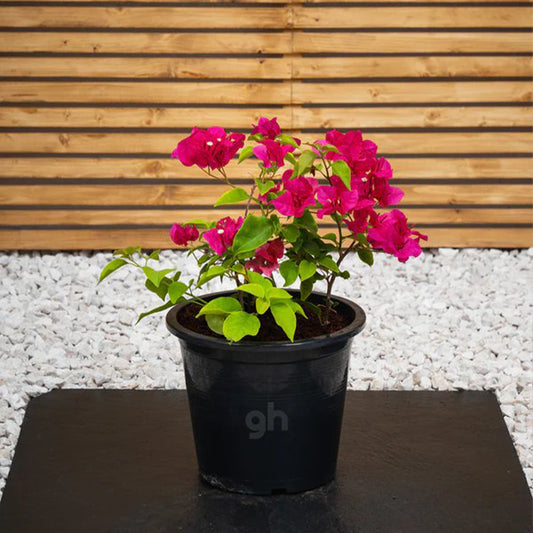
For bright balconies, herbs are one of the most rewarding places to start. Mint, basil, and other kitchen-friendly options give you quick results and make the space feel useful as well as attractive. If you want color, flowering plants can bring life to railings and corners, but they usually need more regular watering and feeding than foliage plants.
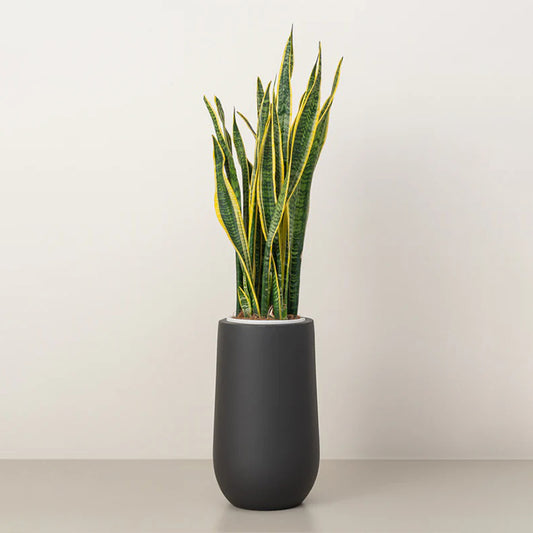
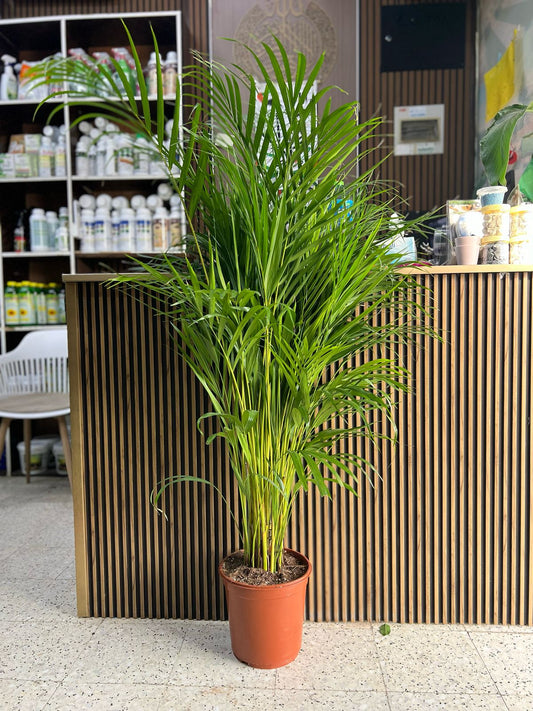
For low-maintenance greenery, hardy plants with strong structure are a safer bet. If your balcony gets mixed conditions, combine one or two statement plants with a few easy fillers instead of buying ten different varieties at once. That keeps the space polished and reduces the chance of losing half the garden while you are still learning.
Edible plants are possible on many balconies, but it depends on sunlight and your expectations. Herbs are usually beginner-friendly. Fruit-bearing plants and larger edible varieties can be productive too, but they need stronger light, bigger containers, and more consistent care. If you are new to gardening, start with a few herbs and one edible plant rather than trying to build a full mini farm right away.
Pots, planters, and weight matter more than you think
Balcony gardening is partly a planting project and partly a space-planning project. The container you choose affects watering, root growth, mobility, and the overall look of the area.
Small pots dry out fast, especially in warm weather. They are fine for compact herbs or starter plants, but they often need more attention than beginners expect. Medium to large planters are more forgiving because they hold moisture longer and give roots room to grow. If you want easier upkeep, go slightly bigger than you think you need.
Weight is the trade-off. Heavy ceramic and concrete planters look beautiful and feel stable in windy conditions, but they are harder to move and can add up quickly on a balcony. Lightweight planters are easier to manage and often the practical choice for renters or anyone who likes to rearrange. Just make sure they have drainage holes and enough depth for the plant you choose.
Saucers or trays are worth using if drainage could affect neighbors or leave the floor messy. Good drainage is still essential, but controlled drainage keeps the balcony tidy and easier to live with.
Soil is not just dirt
If there is one shortcut to skip, it is filling pots with random garden soil. Containers need a potting mix designed for airflow, drainage, and moisture retention. The right mix helps roots breathe and reduces the risk of compacted, soggy soil.
Different plants also use water differently. Herbs and flowering plants in sun may need a mix that holds moisture while still draining well. Plants that hate wet roots need faster drainage. You do not need to overcomplicate it as a beginner, but you do want fresh, quality potting soil rather than whatever is cheapest and closest.
Adding a simple fertilizer routine helps once plants settle in, especially for edibles and bloomers. Think of potting mix as the foundation and fertilizer as the follow-up support. In containers, nutrients get used up faster than they do in the ground.
Set up your layout before you plant
A balcony garden should feel good to walk through, not just good to look at from the door. That means leaving enough room for movement, seating, and daily access to each pot.
Place larger planters first. Use them to anchor corners or create a natural frame around the space. Then add medium pots at different heights to create depth. Smaller plants can fill gaps, but do not overcrowd. Air circulation matters, and crowded plants are harder to water, clean, and monitor.
Vertical space is your friend on a balcony. Stands, shelves, and railing planters can expand your growing area without taking over the floor. Still, balance is important. A balcony packed edge to edge can feel cluttered fast. A clean, simple arrangement usually looks more expensive and is easier to maintain.
Watering is where most beginners either overdo it or forget it
There is no perfect watering schedule that works for every balcony. Sun, wind, pot size, season, and plant type all change how quickly soil dries. That is why checking the soil matters more than following a rigid calendar.
Push a finger into the top inch or two of soil. If it feels dry, water thoroughly until excess drains out. If it is still damp, wait. This habit prevents both underwatering and the more common beginner issue of keeping everything too wet.
During hotter months, containers may need water more often. In cooler periods, much less. Grouping plants with similar water needs makes care easier and avoids the problem of one thirsty plant dictating the routine for everything else.
A simple starter setup that works
If you are unsure where to begin, aim for a balanced mix: one statement plant, two or three easy-care foliage plants, and a small herb planter. Add quality potting mix, planters with drainage, and a basic fertilizer. That is enough to make the balcony feel alive without becoming a project you regret after one busy week.
This is also where buying from a reliable plant and garden retailer helps. Getting healthy plants, the right soil, suitable pots, and care essentials in one place removes a lot of the friction that stops beginners before they start. Plants House is built around exactly that kind of easy, confidence-boosting setup.
Keep expectations realistic and the garden will last
A great balcony garden does not appear fully finished in one weekend. Some plants will thrive immediately. Some may need to be moved. One corner may end up better for herbs than flowers. That is normal.
The goal is not perfection. It is building a green space that fits your home and your routine. When you choose plants for your actual light, use containers that make watering easier, and leave room for the balcony to function, you set yourself up for success.
Start with a few well-chosen plants, pay attention to how your balcony behaves, and let the space teach you what it wants next. That is usually how the best gardens begin.