
Organic Soil vs Potting Mix: Which Should You Use?
A new plant can look perfect on the shelf, then struggle a few weeks after repotting for one simple reason: its roots are sitting in the wrong growing medium. When comparing organic soil vs potting mix, the best choice depends less on which bag sounds healthier and more on where your plant will live. A lemon tree in a garden bed, a pothos beside a bright window, and basil in a balcony planter all need something slightly different.
Choosing the right soil does not have to be complicated. Once you understand how each option holds water, air, and nutrients, it becomes much easier to give your plants a comfortable start.
Organic Soil vs Potting Mix: The Main Difference
Organic soil is usually made from natural, plant-based, and mineral ingredients such as compost, aged manure, coco coir, bark, sand, and other organic matter. It is designed to improve soil health and feed plants gradually. Depending on the product, it may be labeled as garden soil, organic garden soil, topsoil, or soil conditioner.
Potting mix is a lighter, more controlled growing medium made for containers. Despite the name, it may contain little or no actual field soil. Most quality mixes combine ingredients like coco coir or peat moss, perlite, vermiculite, compost, and bark. These materials create air spaces around the roots while holding enough moisture for the plant.
The simplest way to remember the difference is this: organic soil is generally best for improving garden beds, while potting mix is usually the safer choice for pots and planters.
Why Container Plants Need a Different Mix
Plants growing in the ground have room for their roots to spread through a large area. Excess water can move down through the surrounding soil, and beneficial organisms can help break down organic material over time. A container has much less room for error.
When you fill a pot with dense garden soil, it can become compacted after watering. Air cannot move freely, roots stay wet for too long, and the plant may begin to yellow or droop. This is especially common with indoor plants, where lower light levels mean the pot dries more slowly.
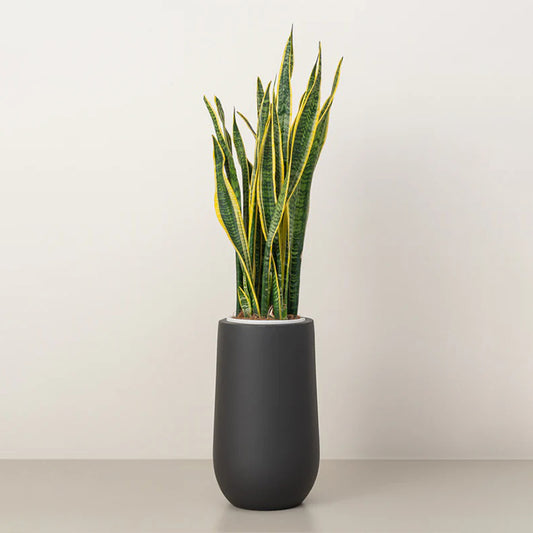
Potting mix is built to avoid that problem. Ingredients such as perlite and coarse bark keep the mix open and airy. This is useful for popular houseplants like snake plants, monstera, lucky bamboo, and bird of paradise, as well as herbs growing in small pots.
That does not mean every potting mix is identical. A moisture-retentive mix can suit leafy tropical plants, while succulents, cacti, and snake plants need a grittier formula that drains quickly. Check the plant's needs before choosing a bag based on the word “organic” alone.
When Organic Soil Is the Better Choice
Organic soil earns its place in outdoor spaces. It is especially useful when you are preparing garden beds, refreshing soil around established shrubs, or growing vegetables and flowering plants directly in the ground. Compost-rich organic soil can improve poor native soil by adding nutrients and helping it hold moisture more evenly.
For raised beds, organic soil can also be a strong foundation, particularly when blended with compost and other amendments. Edible plants such as tomatoes, mint, holy basil, peppers, and fruit trees benefit from soil that supports steady growth over a longer season.
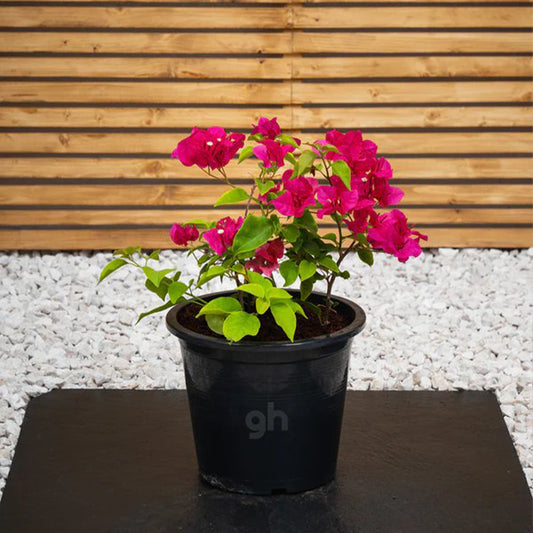
The key is to look at texture. Heavy, muddy soil is not ideal for every outdoor plant either. Bougainvillea, olive trees, citrus, and many Mediterranean-style plants prefer excellent drainage. If your garden soil stays soggy after watering, mixing in coarse material and organic matter can help create a better balance.
Organic soil is also a sensible choice for gardeners who want to build healthier beds over time. Rather than treating soil as something plants simply sit in, it supports the living system beneath them. Organic matter encourages beneficial microbes and earthworms, which help cycle nutrients naturally.
Is Organic Potting Mix Different From Organic Soil?
Yes. An organic potting mix is still a potting mix, but its ingredients and added nutrients meet organic gardening standards. It may include compost, coco coir, rice hulls, bark, and naturally derived fertilizers instead of synthetic fertilizer pellets.
For potted herbs, edible plants, and indoor greenery, an organic potting mix can offer the best of both worlds: container-friendly drainage with naturally sourced ingredients. It is often a practical option for anyone growing mint on a kitchen windowsill or starting vegetables in patio containers.
Still, “organic” is not a guarantee that a mix is right for every plant. An organic mix formulated for vegetables may hold more moisture than a cactus needs. A mix made for orchids may be far too chunky for seed starting. Read the label for the intended use, then match it to your plant and pot.
How to Choose for Common Planting Projects
For indoor houseplants, start with potting mix. Most indoor plants need a mix that drains well but does not dry out immediately. If you have a plant that dislikes wet roots, such as a snake plant or ZZ plant, add extra perlite or choose a cactus and succulent mix.
For balcony pots and patio planters, use potting mix or organic potting mix. Containers heat up and dry out faster than garden beds, so choose a quality mix that can hold moisture without turning dense. Larger planters are more forgiving than small pots, but they still need drainage holes.
For outdoor flower beds and vegetable gardens, organic soil is often the better base. Work it into the existing soil rather than creating a thin layer on top. Roots should be able to move gradually from the amended area into the soil below.
For raised beds, use a blend intended for raised-bed gardening or combine quality organic soil with compost. Avoid filling an entire deep raised bed with premium potting mix. It can be unnecessarily expensive and may dry out too quickly in a large outdoor space.
For seed starting, choose a dedicated seed-starting mix. Seeds need a fine, light medium that stays evenly moist and allows delicate roots to develop. Garden soil and chunky potting mixes can make germination harder.
Drainage Matters More Than Most Labels
Many plant problems blamed on watering are actually drainage problems. If water pools on top of the pot, takes a long time to drain, or leaves the mix smelling sour, the roots are not getting enough oxygen. Switching to a lighter mix may help more than reducing your watering schedule.
Always pair the growing medium with a pot that has drainage holes. Decorative pots without holes can work as cachepots, but keep the plant in a nursery pot inside them so excess water can escape. A layer of pebbles at the bottom does not replace drainage holes and can leave roots sitting in moisture above it.
For plants that need sharper drainage, blend potting mix with perlite, pumice, or coarse sand made for horticultural use. For plants that dry too quickly, add a little coco coir or compost. Small adjustments can make a standard mix work far better for your space.
Nutrients: Useful, but Not Forever
Organic soil and potting mix may both contain nutrients, but neither feeds a plant indefinitely. In garden beds, nutrients are replenished through compost, mulch, and seasonal fertilizer. In containers, every watering slowly washes nutrients away, and plants eventually use what was in the mix.
Most potted plants benefit from a suitable fertilizer during their active growing period. Follow the product directions and avoid adding extra fertilizer immediately after repotting into a nutrient-rich mix. Too much fertilizer can damage roots just as easily as too little can slow growth.
If a houseplant has been in the same pot for a year or two, its mix may be breaking down and becoming compacted. Refreshing part or all of the potting mix can restore airflow around the roots. This is often more helpful than repeatedly adding fertilizer to tired, dense soil.
A Simple Shopping Rule
Choose organic soil when you are planting directly in the ground or improving a raised bed. Choose potting mix when you are planting in a pot, planter, or hanging basket. Then refine your choice based on whether the plant prefers extra moisture, fast drainage, or a specialized medium.
At Plants House, pairing the right plant with the right pot, mix, and care essentials makes it easier to create a green corner that lasts. Before repotting, take a moment to check your plant's light needs, watering habits, and mature size. That small bit of planning gives its roots the space and support they need to grow with confidence.