
Office Plant Selection Guide for Better Workspaces
A plant that looks perfect in a bright showroom can struggle beside a shaded desk, under cold air conditioning, or in an office closed for the weekend. This office plant selection guide helps you choose greenery for the conditions you actually have, so your workspace feels fresher without adding another task to an already full schedule.
Start With the Workspace, Not the Plant
The best office plant is not always the most dramatic one. It is the one that can settle comfortably into the available light, fit the space safely, and handle the care your team can realistically provide.
Before choosing, spend a few minutes looking at where the plant will live. Is the desk near a large window, or several feet away from it? Does direct afternoon sun hit the area? Is there a strong air-conditioning vent nearby? These details matter more than office decor trends.
A bright office with filtered sunlight can support a wider range of plants, including monstera and bird of paradise. A room with limited natural light needs more forgiving choices, such as snake plants, lucky bamboo, or ZZ plants. If you are unsure, choose a plant that tolerates lower light rather than one that demands bright conditions.
Match Plants to Your Office Light
Light is the first filter in any office plant selection guide. Many indoor plants can adapt to average office lighting, but every plant has a limit. Matching the right plant to the right spot prevents slow growth, yellow leaves, and unnecessary replacements.
Low-light desks and interior rooms
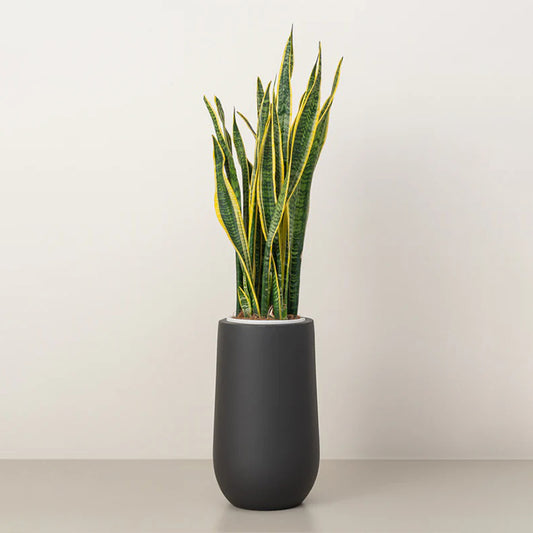
For desks away from windows, reception counters, meeting rooms, and enclosed offices, low-light-tolerant plants are the sensible choice. Snake plants are a favorite because their upright leaves take up very little floor space and they do not need frequent watering. ZZ plants have glossy, architectural foliage and cope well when care is occasionally forgotten. Lucky bamboo is another compact option for desks, provided its water is refreshed regularly.
Low light does not mean no light. Even hardy plants need some ambient daylight or suitable artificial light to stay healthy. Avoid placing them in windowless storage areas or corners that remain dark all day.
Bright, indirect light
This is the sweet spot for many popular office plants. A space near a window with a sheer blind, or a bright room where the sun does not fall directly on the leaves, is ideal for monstera, pothos, peace lily, and many palms.
Monstera brings instant character to a lounge, collaborative area, or executive office. It needs room for its broad leaves, so it works best as a floor plant rather than a crowded desk accessory. Pothos is a flexible choice for shelving, cabinets, or high planters where its trailing vines can soften hard office lines.
Sunny windows
A sunny window can be a great asset, but glass can intensify heat. Plants placed directly against it may scorch, especially during hotter months. Keep foliage a short distance from the glass and rotate pots every few weeks for even growth.
Bird of paradise makes a striking statement in bright spaces and suits larger offices with room to spare. It is more demanding than a snake plant, though. It needs brighter light, regular watering when the soil begins to dry, and occasional leaf cleaning to keep its large foliage looking polished.
Choose the Right Size for the Job
Plants should make a workplace easier to enjoy, not harder to move through. Consider mature size, not just the plant's size on delivery day.
Small plants suit individual desks, compact reception counters, and narrow shelves. They add color and texture without blocking monitors, taking over work surfaces, or creating clutter. A small snake plant, lucky bamboo arrangement, or neat pothos is usually enough for one workstation.
Medium plants work well in meeting rooms, beside printers, or at the end of cabinet runs. They can create a visual break in open-plan offices without becoming an obstacle. Place them in sturdy planters that are wide enough to support the plant as it grows.
Large statement plants belong in corners, entrances, lounge areas, and open spaces with clear walking paths. A monstera or bird of paradise can make a reception area feel more welcoming, but only if it has enough light and breathing room. Avoid putting large plants beside busy doorways, where leaves can be bumped or damaged.
Pick Care Levels Your Team Can Maintain
A plant care plan does not need to be complicated, but it does need an owner. In many offices, plants decline because everyone assumes someone else watered them.
For a low-maintenance setup, choose plants that prefer drying slightly between waterings. Snake plants and ZZ plants are especially practical for offices with busy staff, changing schedules, or long weekends. Overwatering is their biggest risk, so check the soil before adding water.
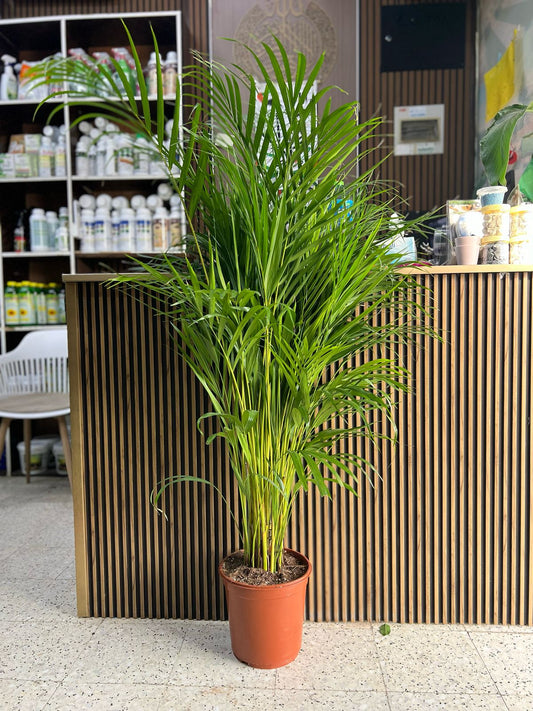
Plants such as peace lilies, ferns, and some palms may need more consistent moisture and humidity. They can look beautiful, but they are better for teams happy to follow a weekly care routine. If your office is heavily air-conditioned, remember that dry air can affect plants that prefer more humidity.
Create a simple routine: assign one person to check plants once a week, water only when the soil needs it, remove yellow leaves, and turn pots toward the light. A small watering can, saucers, plant food, and clean cloth for dusting leaves make upkeep quick and tidy.
Think Beyond Appearance
An office plant should suit the people using the space. If the office welcomes clients, choose clean-lined planters and healthy foliage that reflects the atmosphere you want visitors to feel. For creative studios, a mix of trailing and upright plants can make the room feel more relaxed and expressive.
Safety also matters. Keep heavy pots stable and away from areas where they could tip. Choose pots with drainage or use nursery pots inside decorative planters so excess water does not reach carpets, desks, or electrical equipment. Add a saucer beneath any pot that may be watered indoors.
If staff regularly bring children or pets into the workplace, check plant suitability before buying. Some popular houseplants can cause irritation if chewed. In shared environments, place plants thoughtfully and make sure everyone knows not to eat leaves, berries, or soil.
Build a Balanced Office Plant Plan
One large plant in the corner can be effective, but a few well-placed plants often create a more intentional result. Start with the areas people notice first: the entrance, reception desk, meeting room, and shared lounge. Then add compact greenery to selected desks and shelves.
Try combining different plant shapes. An upright snake plant adds height, a rounded pothos creates softness, and a bold monstera provides a focal point. Keeping the planter colors consistent can make a mixed collection look organized, especially in modern offices.
There is no need to fill every empty surface. Plants need light and airflow, and people need usable workspace. A thoughtful arrangement with room around each plant will look more premium than a crowded collection of pots.
Common Office Plant Mistakes to Avoid
The most common mistake is watering on a fixed calendar without checking the soil. Temperature, light, and air conditioning all affect how quickly a plant dries out. Press a finger into the top inch or two of soil first. If it is still damp, wait.
Another mistake is treating every window as ideal plant light. A north-facing window, a shaded building, or blinds kept closed most of the day may provide less light than expected. Observe the space before committing to a higher-light plant.
Finally, do not leave plants directly under air-conditioning vents or beside heaters. Constant drafts can dry foliage, stress roots, and cause leaf edges to brown. Moving a plant even a few feet can make a noticeable difference.
The right office plant does more than decorate a desk. It gives people a small, living pause between emails, meetings, and deadlines. Choose one that fits your real conditions, give it a dependable home, and let the workspace grow greener from there.