
Garden Landscaping That Works With Your Space
A beautiful outdoor space does not begin with buying the biggest plant or filling every empty corner. Good garden landscaping starts with understanding how you actually use your space: morning coffee on the patio, children playing on the lawn, fresh herbs near the kitchen, or a private green view from a balcony. When the layout supports daily life, even a small garden feels generous and inviting.
The most successful gardens balance beauty with realistic care. A flowering focal point can lift the whole yard, but it needs the right light. A fruit tree can be rewarding, but it needs room to grow. Start with a simple plan, choose plants that suit the conditions, and leave enough open space to enjoy the result.
Start Garden Landscaping With the Space You Have
Before choosing plants, take a slow walk through the area at different times of day. Notice where sunlight lands, where water collects after watering or rain, and which spots feel exposed to wind. These small observations prevent expensive mistakes later.
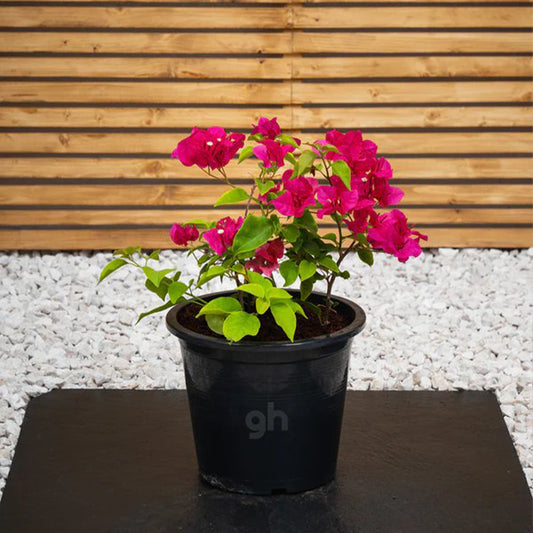
A sunny yard and a shaded patio should not be planted the same way. Plants that need several hours of direct sun, including bougainvillea, citrus, and many flowering varieties, will struggle in a dim corner. Meanwhile, foliage plants can make a low-light entrance or covered balcony feel much more alive without demanding intense sunlight.
Think about scale as well. A compact courtyard may only need one statement tree, a slim planting border, and a few well-placed pots. A larger yard can support distinct zones, such as a seating area, a flowering bed, and an edible garden. Trying to fill every inch usually makes maintenance harder and can make the space feel crowded.
It helps to identify the main view first. This may be the scene from your living room window, the path from the gate to the front door, or the area around an outdoor dining table. Put your strongest visual feature there. A sculptural monstera in a sheltered outdoor corner, a colorful bougainvillea against a wall, or a small lemon tree in a decorative planter can create an immediate sense of intention.
Create a Layout That Is Easy to Live With
Garden landscaping works best when movement feels natural. Paths should lead somewhere useful, such as a seating area, a storage spot, or a planting bed you need to reach for pruning and watering. You do not need a large property for this idea to matter. Even stepping stones across a narrow side yard can make a space look more organized and protect the soil from being compacted.
Leave room around plants for growth and access. A newly planted tree may look small, but its canopy and roots will expand over time. Check mature size before planting near walls, fences, pipes, or paved areas. For containers, leave enough space to water, rotate pots for even growth, and remove fallen leaves without squeezing between plants.
Hard surfaces deserve attention too. Gravel, pebbles, and large planters can define an area without requiring major construction. Gravel works especially well around sun-loving plants because it gives the garden a clean finish and can help keep soil from splashing onto leaves. It is not the right choice for every space, though. In areas where children play or where you frequently walk barefoot, a softer ground cover or lawn may be more comfortable.
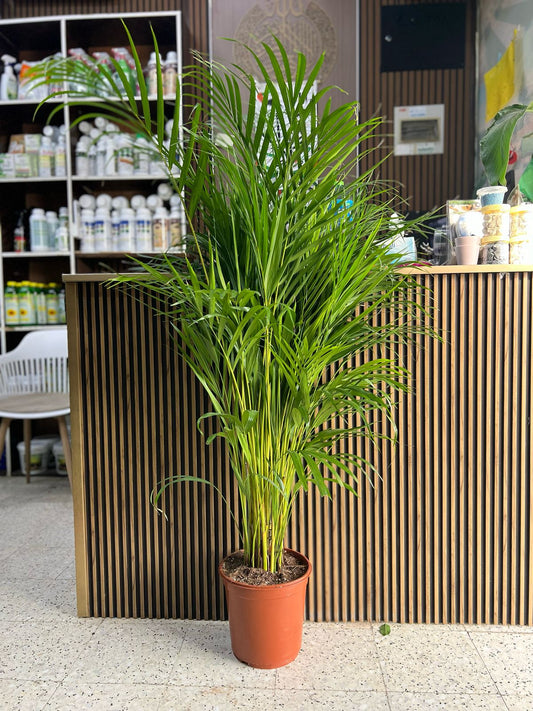
For a balanced layout, repeat a few colors or materials rather than introducing something new in every corner. Matching planters, similar gravel tones, or repeated groups of green foliage create a calmer look. Then add contrast with one or two standout features, such as bright flowers, a textured palm, or a fruiting tree.
Choose Plants by Light, Care, and Purpose
The best plant list is not always the longest one. Choose plants that earn their place by solving a need: shade, privacy, color, fragrance, fresh food, or a softer view of a wall. This approach keeps the garden cohesive and makes shopping easier.
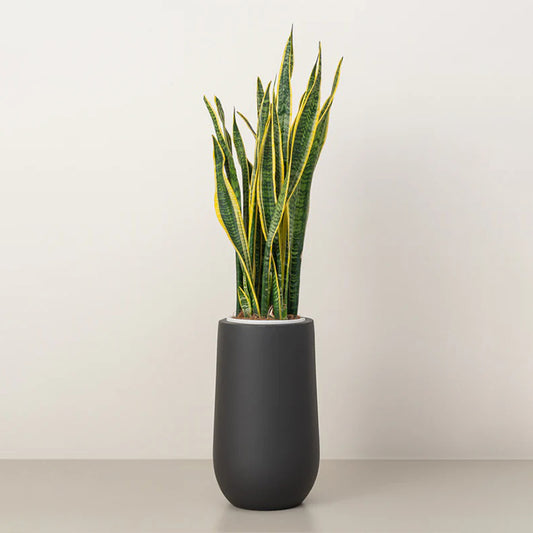
For a low-maintenance foundation, use durable greenery in repeated groups. Snake plants are a practical choice for protected patios and bright entryways, while lucky bamboo can bring greenery to sheltered areas with indirect light. Larger foliage plants, including bird of paradise, make an excellent focal point when they have enough brightness and room.
If color is your priority, flowering plants should be placed where they receive the light they need and where you will see them often. Bougainvillea delivers strong color in sunny conditions and looks particularly effective trained along a fence or wall. It can be vigorous, so allow space for pruning and avoid placing it beside a narrow walkway where thorny branches may become a nuisance.
Edible plants make landscaping more personal. A lemon tree near a sunny patio, mint in a container by the kitchen, or holy basil in an easy-to-reach planter can turn routine care into something useful. Mango, papaya, and olive trees can be wonderful long-term additions in suitable warm conditions, but they need more room and patience than herbs. If your space is small, choose containers and compact edible plants rather than forcing a large tree into a tight corner.
When combining plants, vary height and leaf shape. Place taller trees or upright plants at the back of a border, medium shrubs or flowering plants in front, and low growers near the edge. This layered effect looks full without blocking every view. Avoid planting everything in a straight line unless you want a more formal, structured style.
Make Small Gardens Feel More Generous
A balcony, terrace, or narrow patio can still feel like a real garden. The key is to use vertical space and select a smaller number of plants with more impact. A tall planter can draw the eye upward, while wall-mounted containers or climbing plants can soften blank surfaces without taking over the floor.
Use containers with purpose. Larger pots hold moisture longer and give roots more room, which often means less frequent watering than tiny containers. They are also better suited to small trees and substantial statement plants. Small pots are useful for herbs, seasonal color, and accents, but they dry out faster and need closer attention during warm weather.
Group pots in twos or threes rather than scattering them evenly around the perimeter. A cluster with different heights looks more natural and creates a focal point. Keep a clear route to doors, seating, and railings so the space remains comfortable to use.
Privacy can also be created gradually. Taller plants in planters can screen a neighboring view without permanent construction. Choose varieties that match your sun exposure, and remember that a living screen takes time to fill in. If privacy is urgent, combine plants with a trellis or existing boundary instead of relying on young plants alone.
Build Care Into the Design
A garden only stays attractive when care fits into your week. Place thirsty plants near a water source, keep herbs where you will remember to harvest them, and avoid installing high-maintenance beds in areas that are difficult to reach. A simple design you can maintain will always look better than an ambitious design that becomes overwhelming.
Start with healthy soil suited to your plants, then use the right potting mix or garden soil for the setting. Container plants need drainage holes, and outdoor beds benefit from soil that drains well while holding enough moisture for roots. Fertilizer can support growth, but more is not always better. Follow the product directions and adjust based on the plant type and season.
Mulch, gravel, or pebbles can help give planting beds a finished appearance while reducing bare, dusty soil. Check plants regularly for yellowing leaves, pests, or dry soil, especially after a heat wave or a change in weather. Catching a problem early is usually easier than trying to revive a stressed plant later.
For new gardeners, begin with a few dependable plants and add more after one successful season. Plants House makes it easier to bring plants, pots, soil, tools, and care essentials together, so you can build the garden in manageable stages rather than buying everything at once.
The goal is not a picture-perfect garden that asks for constant attention. Create a space that welcomes you outside, gives each plant enough room to thrive, and leaves you a favorite place to sit among the greenery.