
Essential Tools for Home Gardening, Made Simple
A mint plant can go from fresh and fragrant to limp in a weekend when its roots sit in compacted soil. A flowering pot can stop producing buds when spent blooms are left in place. The good news is that the essential tools for home gardening are not complicated or expensive. A small, well-chosen kit gives you what you need to plant, water, prune, feed, and protect the greenery that makes a home feel more alive.
For a balcony with herbs, a patio filled with flowering plants, or a backyard with fruit trees, buy tools that match the jobs you will actually do. A beginner does not need a shed full of equipment. Start with dependable basics, then add specialty tools as your garden grows.
Essential Tools for Home Gardening: Your Everyday Kit
A hand trowel for planting and repotting
A hand trowel is the tool most home gardeners reach for first. Its narrow, scoop-shaped blade makes it easy to dig planting holes, loosen potting mix, add soil around roots, and move small plants into new containers. Choose one with a comfortable grip and a sturdy metal blade rather than a thin plastic version that may flex or crack in dense soil.
For container gardening, a standard trowel is usually enough. If you are planting in a garden bed or working with deep pots, a longer blade can help you reach below the surface without disturbing neighboring roots. Clean soil from the blade after use, especially if you have worked near a plant with pests or disease.
Hand pruners for clean, healthy cuts
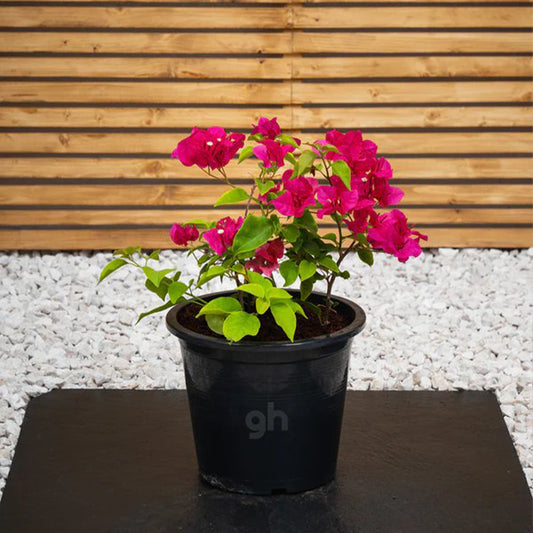
Sharp hand pruners keep plants tidy while supporting healthier growth. Use them to remove yellow leaves, trim leggy stems, harvest herbs, shape shrubs, and snip faded flowers from bougainvillea or other blooming varieties. Clean cuts heal better than torn stems, which is why sharp blades matter.
Bypass pruners are a smart all-purpose choice for live stems and branches. They cut like scissors, with one curved blade passing another. Anvil-style pruners can handle dry, woody material but may crush softer green stems. For most houseplants, herbs, and young outdoor plants, bypass pruners are the gentler option.
Wipe the blades with a clean cloth after each session. If you prune a plant showing spots, rot, or insects, disinfect the blades before moving to another plant. This quick habit can prevent problems from spreading through your collection.
Gardening gloves that let you feel the soil
Gloves protect hands from thorns, rough pot edges, splinters, insects, and fertilizers. They also make cleanup easier after a morning of repotting or pulling weeds. Look for breathable gloves with a grippy palm so you can hold a small pot, seed packet, or watering can securely.
Thicker gloves make sense for rose bushes, thorny ornamentals, and heavier outdoor work. For sowing seeds or handling delicate seedlings, choose a flexible pair that still lets you feel what you are doing. One pair rarely suits every task, so it is perfectly practical to keep light gloves for daily care and tougher gloves for pruning or landscaping.
A watering can with a removable rose
Watering by hand is one of the easiest ways to notice changes in your plants. You may see dry soil, a new leaf, a pest hiding under foliage, or a pot that needs better drainage. A watering can with a long spout helps direct water to the soil instead of soaking leaves, furniture, or floors.
A removable rose, the perforated attachment at the end of the spout, is especially useful. It produces a gentle shower for seedlings, newly planted flowers, and houseplants with delicate stems. Remove it when you need a more focused stream for larger containers or thirsty outdoor plants.
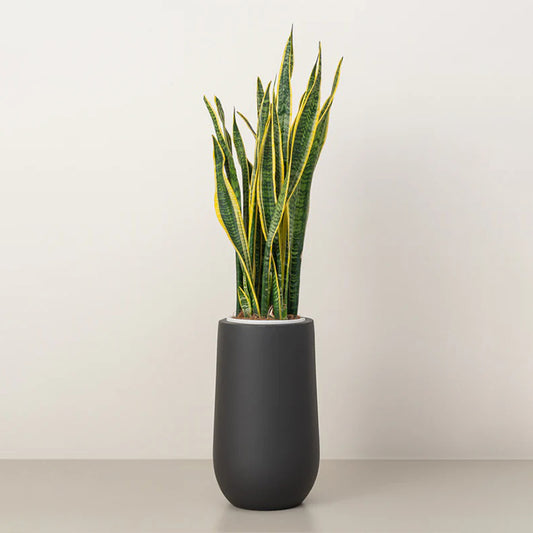
The right watering schedule depends on the plant, light level, season, pot size, and soil mix. Snake plants prefer to dry significantly between waterings, while mint and basil generally appreciate more consistent moisture. A watering can is useful, but observation is the real tool behind good watering.
A soil scoop and a small bucket
A soil scoop may look optional until you have tried filling a planter with a hand trowel. Its wider shape transfers potting mix, compost, gravel, and pebbles quickly with less mess. It is particularly helpful for apartment gardeners who want to keep soil off balconies, patios, and indoor floors.
Pair it with a small bucket or garden trug. Use it to carry weeds, collect fallen leaves, mix amendments, or hold your tools while you work. Choose a bucket with a sturdy handle and rinse it after carrying fertilizer or diseased plant material.
Tools That Help Plants Thrive, Not Just Look Tidy
A hand fork for compacted soil and weeding
A three-pronged hand fork loosens compacted soil in pots and garden beds without requiring a full-size digging fork. Gently work it into the top layer of soil to improve airflow and help water penetrate evenly. It is also excellent for lifting shallow-rooted weeds before they become established.
Use a light touch around plants. Aggressive digging near the base of a plant can damage roots, especially in small containers. If soil repeatedly becomes hard and water runs down the sides of the pot, consider refreshing the potting mix instead of simply breaking up the surface.
A soil moisture meter or simple probe
Many plant problems begin with guesswork. A moisture meter offers a quick reading below the soil surface, where roots actually live. It can be useful for deep planters, large indoor pots, and plants that prefer to dry out between waterings.
Still, a moisture meter is not a replacement for learning your plants. Readings can be less reliable in very dry, airy mixes or soils with high mineral content. A simple wooden chopstick or bamboo probe can work well too. Insert it into the soil, pull it out, and check whether damp soil clings to it. This low-cost method helps prevent both overwatering and underwatering.
A hose nozzle for patios and garden beds
If you care for more than a few containers, a hose with an adjustable nozzle saves time. A gentle shower setting is ideal for established flowers and leafy plants, while a stronger stream can rinse patios, fill buckets, or clean garden tools. Avoid blasting the soil around young plants, as forceful water can expose roots and flatten seedlings.
For small balconies and indoor spaces, a watering can remains the better choice. A hose is convenient only when you have an outdoor water connection and enough plants to justify it.
A kneeling pad for longer garden sessions
A kneeling pad is a small comfort with a big payoff. It protects knees when planting, weeding, or arranging low pots, making it easier to spend time in the garden without discomfort. It also keeps clothing cleaner on damp soil or paved patios.
This is not essential for someone who only tends a few countertop herbs. But for gardeners building raised beds, refreshing multiple planters, or maintaining a landscape, it quickly becomes one of the most appreciated items in the kit.
Don’t Forget the Tools for Plant Protection
A spray bottle is useful for more than misting. Use one to apply ready-to-use plant protection products, rinse dust from broad leaves, or lightly moisten the surface of soil when starting seeds. Keep separate, clearly labeled bottles if you use any treatment product. Never reuse a bottle that held plant protection solution for plain water without washing it thoroughly.
A soft brush or microfiber cloth also earns a place near indoor plants. Dust can block light from reaching leaves, especially on monstera, bird of paradise, and other large-leaf varieties. Gently wipe leaves with water and a soft cloth to keep them looking fresh. Avoid leaf-shine products unless a plant’s specific care needs call for them.
For outdoor plants, inspect leaves regularly rather than waiting for visible damage. Look under foliage for webbing, sticky residue, chewed edges, or clusters of insects. The earlier you notice a problem, the simpler it is to manage.
Build Your Kit Around Your Space
A compact gardening setup can fit neatly in a storage bin: a trowel, pruners, gloves, watering can, hand fork, and moisture probe will cover most beginner needs. Add a soil scoop if you frequently repot plants, and a hose nozzle if you care for a larger outdoor area.
Gardeners growing edible plants may want dedicated harvesting scissors to keep herbs and leafy greens cleanly cut. Those caring for trees or established shrubs may eventually need loppers for branches too thick for hand pruners. Buying tools gradually is often better than choosing the largest set available, because the best tool is the one that fits your plants, your space, and your routine.
Keep your tools clean, dry, and easy to reach. When care feels convenient, you are more likely to water at the right time, prune with confidence, and enjoy the small changes that turn a few pots into a green sanctuary. Start with the basics, let your garden show you what it needs next, and give yourself permission to learn as you grow.