
Best Indoor Plants for Offices
That empty corner by the copier, the desk that feels a little too gray, the conference room with harsh overhead lighting - these are exactly where indoor plants for offices earn their keep. The right plant does more than fill space. It softens the room, makes the office feel more welcoming, and adds a calm, polished look without asking for much in return.
Office plants work best when they match the reality of the space. That means looking at light, air conditioning, maintenance habits, and how much room you actually have. A beautiful plant that needs bright sun and frequent watering will struggle in a windowless meeting room. A tough, low-maintenance option, on the other hand, can stay attractive with very little effort. That is why choosing well matters more than choosing something trendy.
How to choose indoor plants for offices
Before picking varieties, start with the environment. Most offices are not ideal growing spaces. Lighting can be uneven, temperatures can shift quickly, and weekends often mean two or three days without water. In many workplaces, low-maintenance plants are not just convenient - they are the smartest choice.
Look first at natural light. If the office gets bright, indirect light for most of the day, your options open up. If the space relies mostly on artificial light, stick with plants known for tolerance rather than fussiness. Then think about placement. Desk plants need to stay compact, while reception areas and open corners can handle larger statement plants.
It also helps to be honest about care. Some teams love watering schedules and plant check-ins. Others want something that can be watered and forgotten for a while. There is no wrong approach, but there is a right plant for each one.
Best indoor plants for offices that actually work
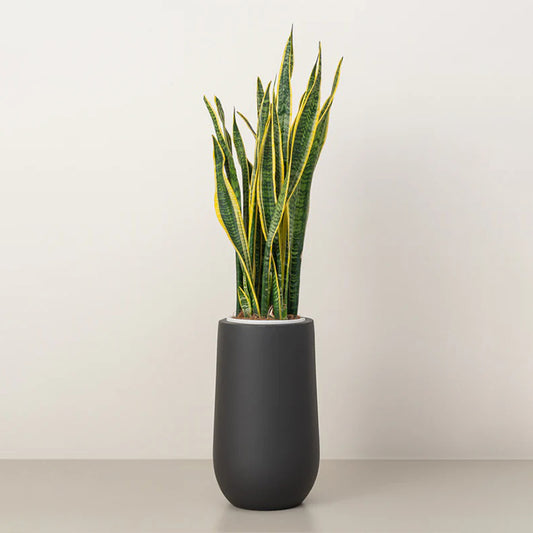
Snake plants are one of the easiest office choices for a reason. They handle lower light, tolerate missed waterings, and keep a clean, upright shape that suits desks, hallways, and reception areas. If you want something that looks structured and modern, this is a strong pick.
Lucky bamboo is another favorite for office settings, especially when you want a neat, compact plant that feels decorative without taking over a desk. It is simple, adaptable, and works well in smaller spaces. For managers or teams buying greenery in bulk for workstations, lucky bamboo can create a consistent look without creating extra maintenance.
Pothos is ideal when the office needs softness. Its trailing vines add movement to shelves, cabinets, and corners that feel too hard or boxy. It also adapts well to indoor conditions and does not demand constant attention. The trade-off is that it can sprawl if left unchecked, so it is best for spaces where a little natural looseness feels welcome.
ZZ plants are excellent for offices with low light and busy schedules. Their glossy leaves stay attractive for long stretches, and they are forgiving if watering is irregular. If you need a plant for a reception desk, executive office, or conference room that may not get daily attention, ZZ plants are hard to beat.
Monstera brings a bigger visual impact. It is a good fit for larger offices, lounge areas, or collaborative spaces where you want a more styled, design-forward look. The split leaves feel lush and modern, but it does need more room and better light than a snake plant or ZZ plant. If the office can provide that, monstera can change the whole feel of a room.
Bird of paradise has a similar effect but in a more dramatic, upright way. It works best in spacious offices with bright light and enough room for the leaves to spread. This is not the plant for a cramped cubicle. It is for the kind of office corner that needs a focal point.
Peace lilies are often chosen for their elegant leaves and softer look. They can do well indoors and bring a fresh, clean feel to office interiors. The catch is that they are more expressive than some tougher options - when they need water, they show it. For some people that is helpful. For others, it feels like one more thing to manage.
Small office plants vs statement plants
A desk plant and a lobby plant do two different jobs, so it makes sense to shop with purpose. Small office plants are best when personal space is limited or when you want greenery at multiple workstations. Lucky bamboo, compact snake plants, and small pothos are practical here because they stay manageable and do not crowd monitors, notebooks, or coffee cups.
Larger plants work better in shared spaces where they can be seen and appreciated. A monstera near the entrance or a bird of paradise in a bright corner can make the office feel more finished. It sends a subtle message that the space is cared for. That matters more than people think, especially in client-facing environments.
If you are furnishing an entire office, balance is usually the best approach. Use a few statement plants for impact, then repeat low-maintenance smaller plants across desks or shelves to create consistency.
Matching the plant to the office setup
Open-plan offices often benefit from plants with strong shape and low spread. Snake plants and ZZ plants fit neatly into corners or between zones without getting in the way. They add greenery while keeping the space organized.
Private offices have more flexibility. If there is good window light, you can go beyond the basics and add a monstera or peace lily for a more personal, styled look. These rooms also tend to have more stable care, since one person usually takes ownership of the plant.
Reception areas need plants that always look presentable. This is where reliable foliage matters. A healthy snake plant or glossy ZZ plant gives a professional impression without looking overly formal. If there is enough natural light, a larger decorative plant can also make the entrance feel more inviting.
Meeting rooms are a little trickier. They are often cool, closed off, and not used consistently. For these spaces, resilience matters more than variety. Choose plants that tolerate occasional neglect and lower light rather than something delicate.
Simple care tips for office plants
Most office plants fail for familiar reasons: too much water, too little light, or the assumption that all plants want the same care. A simple routine works better than overthinking it.
Check the soil before watering. If it still feels damp, wait. Many popular office plants, especially snake plants and ZZ plants, prefer to dry out a bit between waterings. Overwatering does more damage in offices than underwatering.
Keep plants away from direct blasts of air conditioning. Cold, dry air can stress leaves even if the rest of the room seems comfortable. It is also worth wiping dust from leaves every so often. Clean leaves look better and help the plant make the most of whatever light it gets.
If your office has very low natural light, accept that some plants will simply perform better than others. This is one of those cases where it depends on the space more than personal taste. Choosing a tougher plant from the start is easier than trying to force a light-loving one to adapt.
Why office plants are worth it
The appeal of office greenery is not just visual, though that is a big part of it. Plants help a workspace feel less sterile. They can make hot desks feel more personal, soften modern interiors, and add life to corners that would otherwise go unused.
For businesses, that small upgrade can have a real effect on how the office is experienced by staff and visitors. A greener workspace tends to feel more comfortable and more finished. For home offices, the benefit is even clearer. A single plant can separate your work zone from the rest of the room and make it feel more intentional.
If you are buying for a workplace, convenience matters too. It helps to choose plants that are easy to care for and simple to pair with the right pots, planters, and soil from one place. That removes a lot of the hesitation people have about bringing greenery into an office in the first place.
The best office plant is not always the rarest or the most impressive. It is the one that suits your light, your schedule, and your space well enough to keep looking good week after week. Start with one or two dependable varieties, see how they settle in, and let the office grow greener from there.