
Why Are Plant Tips Browning? Fix It Fast
A plant can look healthy from across the room, then reveal crisp brown edges when you get closer. If you are wondering, “why are plant tips browning?” the answer is usually not a mystery disease. Brown tips are often your plant’s way of reacting to a mismatch in water, humidity, minerals, light, or root conditions.
The good news is that browned tips do not always mean the whole plant is in trouble. The damaged tissue will not turn green again, but a few practical adjustments can stop the problem from spreading and help new leaves emerge looking fresh.
Why Are Plant Tips Browning in the First Place?
Leaf tips are the farthest point from a plant’s roots, so they are often the first area to show stress. When moisture is not moving through the plant consistently, or when minerals collect in the soil, the edges and tips can dry out before the rest of the leaf changes color.
Start by looking at the pattern. Dry, papery brown tips with otherwise healthy green leaves usually point to low humidity, underwatering, or salt buildup. Brown tips paired with yellow leaves, soft stems, or soil that stays wet for days can suggest overwatering or poor drainage. A plant sitting in harsh direct sun may develop scorched patches as well as brown margins.
One brown tip after a move, a missed watering, or a change in weather is rarely a reason to panic. Repeated browning on new growth is the sign that your care routine or growing conditions need a closer look.
Inconsistent Watering Is the Most Common Cause
Many indoor plants prefer a steady rhythm rather than a strict calendar. Letting the potting mix become completely dry, then soaking it heavily, puts stress on the roots. The plant may struggle to move enough water to the leaves, and the tips begin to crisp.
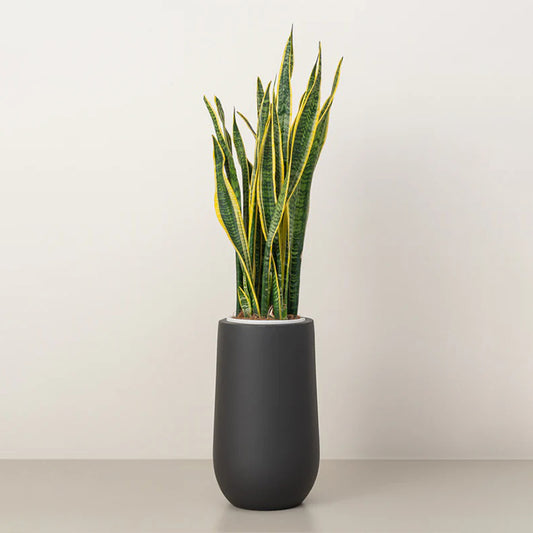
Check the soil with your finger before watering. For many popular houseplants, such as monstera, peace lilies, and bird of paradise, watering when the top 1 to 2 inches of soil feel dry is a useful starting point. Snake plants and other drought-tolerant varieties need the mix to dry much more thoroughly between waterings.
Water slowly until a little excess drains from the bottom of the pot, then empty the saucer. This encourages the entire root ball to receive moisture without leaving the roots sitting in water. A pot without drainage holes makes this much harder, especially for beginners, because extra water has nowhere to go.
Underwatering versus overwatering
Underwatered plants often have dry soil that pulls away from the sides of the pot, limp leaves, and crispy brown tips. Overwatered plants may also develop brown tips, but their soil stays heavy and damp, and leaves tend to yellow or feel soft first.
The fix depends on which situation you have. A thirsty plant needs a deep, even drink and a more consistent watering check. An overwatered plant needs time to dry out, better drainage, and possibly fresh potting soil if the roots have begun to rot. More water is not always the answer to brown tips.
Dry Air Can Crisp Up Leaf Edges
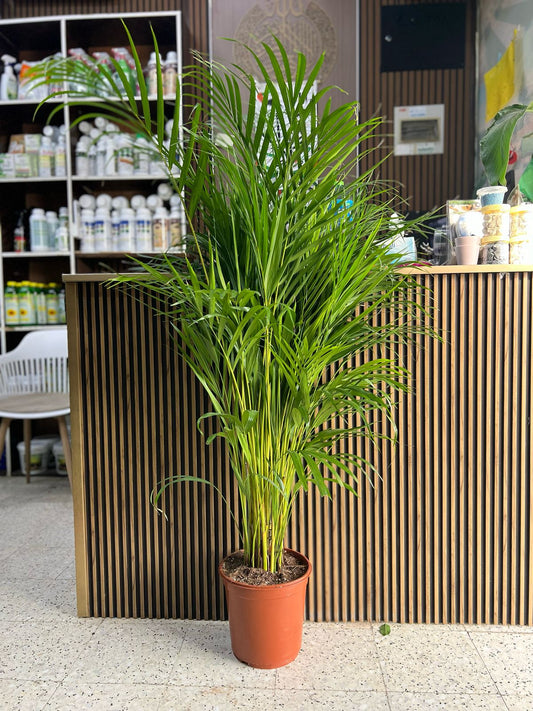
Tropical plants are especially likely to develop brown tips when indoor air is dry. Air conditioning, heating, fans, and strong drafts pull moisture from leaves faster than the roots can replace it. This is common with calathea, ferns, palms, prayer plants, and some dracaenas.
Move sensitive plants away from direct airflow from vents, open doors, and fans. Grouping plants together can create a slightly more humid pocket around their leaves. A small humidifier is the most reliable solution for plants that need higher humidity, particularly if browning keeps returning despite good watering habits.
Misting can make leaves look nice for a moment, but it does not raise humidity for long enough to solve an ongoing issue. It can also leave water on foliage, which is not ideal in low-airflow spaces. A humidifier, a well-placed plant grouping, and sensible room placement are more useful long-term choices.
Tap Water and Fertilizer Salts May Be Building Up
White crust on the soil surface, the rim of a pot, or the drainage hole is a clue that mineral salts are accumulating. Fertilizer, softened water, and mineral-heavy tap water can all leave salts behind. As the buildup increases, roots have a harder time taking up water, and leaf tips may brown even when you water regularly.
Flush the pot every few months if your plant is in a container with drainage. Take it to a sink or outdoor area and run water through the soil for a few minutes, allowing it to drain completely. This helps rinse excess salts below the root zone.
If the problem continues, consider using filtered, distilled, or rainwater for sensitive plants. Calatheas, spider plants, and dracaenas can be particularly fussy about water quality. You do not need to replace every watering habit overnight, but changing the water source is worth trying when brown tips persist on these varieties.
Fertilizer can help plants grow, but more is not better. Feed only during active growth and follow the product instructions carefully. If a plant is stressed, recently repotted, or growing slowly in low light, hold off on fertilizer until it has settled.
Light, Heat, and Temperature Swings Matter Too
A plant placed too close to a bright window can develop browned tips or larger bleached patches from sun scorch. This is especially common when a shade-loving plant is suddenly moved into direct afternoon sunlight. On the other hand, very low light can keep the soil wet for too long, leading to root stress that eventually shows up on the leaves.
Match the plant to the space instead of asking it to tolerate a spot it dislikes. Snake plants and ZZ plants are forgiving choices for lower-light rooms. Monstera and bird of paradise generally appreciate bright, indirect light, while herbs and many flowering plants need more direct sun to thrive.
Keep plants away from hot glass, radiators, and chilly drafts. Sudden temperature changes can cause brown edges, leaf drop, or stalled growth. A stable spot with suitable light is easier for a plant than frequent moves around the home.
Check the Roots and Potting Mix
When watering and humidity seem right but brown tips keep appearing, inspect the pot. Roots circling tightly around the root ball may be crowding each other and drying out quickly. A plant that is badly root-bound can need water far more often than usual because there is little soil left to hold moisture.
Choose a pot only 1 to 2 inches wider than the current one when repotting. A dramatically oversized pot holds excess water around a small root system, increasing the risk of rot. Use a fresh, well-draining potting mix suited to the plant type, and always choose a container with drainage holes.
If you notice dark, mushy, or foul-smelling roots, trim away the damaged sections with clean scissors and repot into fresh soil. Then give the plant bright indirect light and avoid heavy watering while it recovers.
Should You Cut Off Brown Tips?
Yes, you can trim brown tips for a cleaner look. Use clean, sharp scissors and follow the natural shape of the leaf, leaving a very thin brown edge rather than cutting into healthy green tissue. This small detail helps the trimmed area look more natural.
Do not remove a whole leaf unless it is mostly yellow, brown, or damaged. Green portions still photosynthesize and support the plant’s recovery. After trimming, focus on correcting the cause rather than repeatedly cutting away new damage.
A Simple Reset for Healthier New Growth
If you are unsure what triggered the browning, begin with the basics: check soil moisture, confirm the pot drains well, move the plant away from harsh drafts or direct sun, and pause fertilizer for a few weeks. Then watch the newest leaves. They provide the clearest picture of whether your changes are working.
Plants do not need perfect care to look beautiful. They need a suitable plant, a comfortable spot, and a routine you can realistically maintain. Choosing easy-care varieties and the right soil, pot, and care essentials from Plants House can make that routine feel much simpler. Give your plant a little consistency, and let its next leaf be the fresh start.