
10 Low Light Indoor Plants for Apartments
That dim corner by the couch does not have to stay empty. If your apartment gets a few hours of soft light, filtered light through blinds, or mostly shade for most of the day, you still have great plant options. The best low light indoor plants for apartments can handle less-than-perfect conditions, look good in small spaces, and fit real life when you are busy, traveling, or just getting started with houseplants.
Apartment living changes how you shop for plants. You are usually working with smaller rooms, fewer windows, dry indoor air, and limited room for bulky pots or messy setups. That means the right plant is not just about looks. It also needs to be forgiving, compact enough for your space, and easy to care for without turning your living room into a full-time project.
What low light really means in an apartment
Low light does not mean no light. That is where many plant problems start. In most apartments, low light means a spot a few feet away from a window, a room with only indirect sunlight, or an area that stays bright enough to read in during the day but never gets direct sun.
If a space feels cave-like all day, even the toughest indoor plants will struggle over time. But if you have ambient natural light, north-facing windows, shaded window sills, or light filtered through curtains, you can grow a surprising number of plants successfully. The trick is matching the plant to the actual conditions instead of assuming every green plant likes the same setup.
Best low light indoor plants for apartments
Some plants tolerate low light, and some truly perform well in it. These are the apartment-friendly choices that tend to be the easiest to live with.
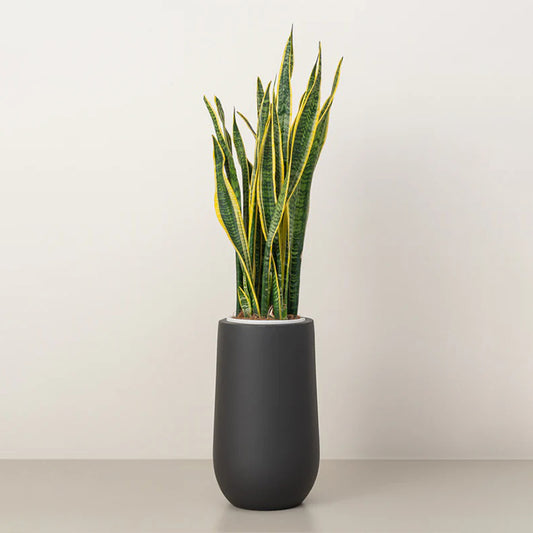
Snake plant
Snake plant is one of the most dependable choices for apartment dwellers. It handles low light, uneven watering, and dry indoor conditions better than most houseplants. Its upright leaves also make it ideal for tight corners, narrow shelves, and entryways where wider plants would feel crowded.
The main trade-off is overwatering. Snake plants like their soil to dry out between waterings, and in low light they need even less moisture. If you want a plant that looks clean and architectural without demanding much attention, this is a strong pick.
ZZ plant
ZZ plant is almost made for low-maintenance indoor living. It tolerates low light extremely well and keeps a polished, glossy look with very little effort. It works especially well in bedrooms, home offices, and living rooms that do not get strong direct sun.
Like snake plant, it stores water in its roots, so too much care can actually be the problem. If you tend to forget watering, that is usually fine. If you water on a strict schedule no matter what, you may need to hold back a bit.
Pothos
Pothos is a favorite for renters and first-time plant buyers because it is flexible. You can place it on a shelf, let it trail from a hanging planter, or keep it pruned for a fuller look. It adapts well to low light, although its leaf color and variegation may be less dramatic in darker areas.
This is a good example of a plant that survives low light easily but still appreciates brighter indirect light if you have it. In a darker apartment, pothos can still do well, just expect slower growth.
Heartleaf philodendron
If you want a softer, more relaxed look than pothos, heartleaf philodendron is a great fit. Its trailing vines and heart-shaped leaves bring warmth to shelves, desks, and side tables. It is forgiving, adaptable, and usually straightforward for beginners.
It does well in low to medium indirect light. In apartments where light changes with the seasons, this kind of flexibility matters. You do not have to stress over finding the one perfect spot.
Peace lily
Peace lily is a classic low light plant for a reason. Its deep green leaves look lush even in smaller apartments, and when conditions are right, it can reward you with elegant white blooms. It gives a room a more finished, decorative feel without requiring expert-level care.
The catch is that peace lilies are a little more communicative than tougher plants like snake plant or ZZ plant. They droop dramatically when thirsty, which can be helpful, but they also prefer more consistent moisture. If you want something low light but slightly more responsive, this is a good middle ground.
Cast iron plant
The name tells you a lot. Cast iron plant is known for handling neglect, low light, and a wide range of indoor conditions. It has long, deep green leaves and a calm, understated look that works well in apartments styled around minimalism or natural textures.
It is not the fastest grower, which can actually be a benefit in smaller homes. You are less likely to outgrow your space or need frequent repotting.
Chinese evergreen
Chinese evergreen brings a bit more pattern and personality into low light spaces. Many varieties have attractive markings in silver, green, or pink, making them a smart choice if you want a plant that acts more like decor while still being beginner-friendly.
It handles low light well, though brighter indirect light can help keep its colors stronger. For apartment residents who want something easy but not plain, this plant offers a nice balance.
Lucky bamboo
Lucky bamboo works especially well in compact apartments because it has a small footprint and a clean look. It can live in water or soil, and it suits desks, bathroom counters, and bedside tables where larger plants would be impractical.
It likes low to moderate indirect light and can be a simple way to add greenery without committing to a large pot. If your apartment has very limited surface space, this one earns its place.
Spider plant
Spider plant is a practical pick if you want a plant that feels lively and easygoing. It grows arching leaves and can produce baby plants over time, which adds visual interest without much effort from you.
It can tolerate low light, though it tends to grow best in bright indirect conditions. In a dim apartment, it will likely be slower and a little less full, but still manageable if the spot is not too dark.
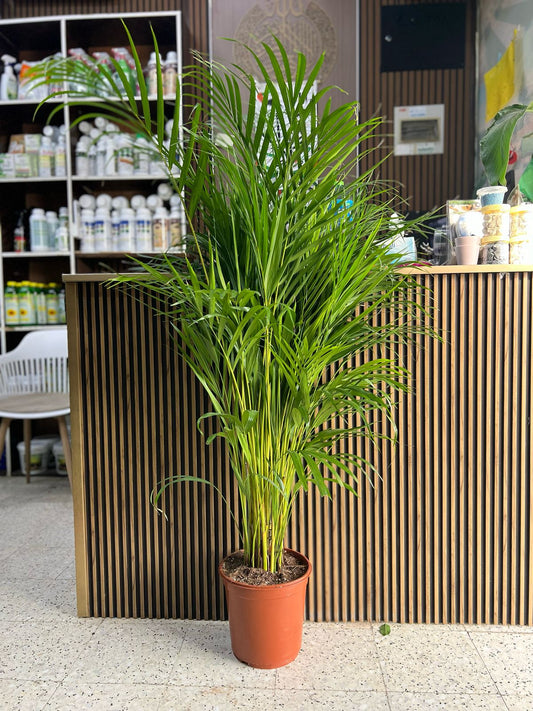
Parlor palm
Parlor palm is one of the better low light indoor plants for apartments if you want a softer, leafy look. It gives you that indoor jungle feel without needing direct sunlight. Because it grows in a more compact, upright form, it can make a room feel greener without taking over.
It does prefer steady care, especially when it comes to avoiding both bone-dry soil and soggy roots. But overall, it is a very apartment-friendly palm and far less fussy than many larger tropical varieties.
How to choose the right plant for your apartment
The best plant is not always the most popular one. If your apartment is small and shaded, choose based on your layout and habits first. Upright plants like snake plant and ZZ plant work well in narrow corners. Trailing options like pothos and philodendron are better for shelves and hanging planters. Compact choices like lucky bamboo fit desks and side tables.
Be honest about your care style too. If you travel often or forget watering, stick with drought-tolerant plants. If you enjoy a bit more interaction and do not mind checking soil regularly, peace lily or parlor palm may suit you better. A plant that matches your routine is much easier to keep healthy than one you buy only for looks.
Simple care tips for low light apartment plants
Low light plants are easier, but they are not maintenance-free. The biggest mistake is treating low light like a free pass to overwater. When a plant gets less light, it uses water more slowly. That means the soil stays wet longer, especially in apartments with lower airflow.
Choose pots with drainage whenever possible. Use a well-draining indoor potting mix, and let the top layer of soil dry before watering again for most varieties. Rotate plants every few weeks if one side is leaning toward the light, and wipe dust from leaves so they can absorb light more efficiently.
You should also expect slower growth in lower light. That is normal. A plant that is growing slowly but keeping healthy leaves is usually doing fine. Fast growth is not the goal in every apartment, especially when space is limited.
When low light is too low
Even the best low light indoor plants for apartments have their limits. If leaves are turning yellow constantly, stems are stretching out, new growth is weak, or the plant seems to stay wet forever, the spot may be darker than the label suggests.
Sometimes the fix is simple. Move the plant closer to a window, place it in a brighter room for part of the week, or switch to a tougher variety. You can also use grow lights if you love plants and your apartment light is genuinely limited. There is no shame in giving your plants a little backup.
For apartment living, the sweet spot is easy-care greenery that looks good without adding stress. That is exactly why low light plants are so popular. With the right match, even a small, shaded space can feel fresh, finished, and much more like home. If you are building your indoor collection, start simple, choose for your actual light, and let your space grow greener one plant at a time.