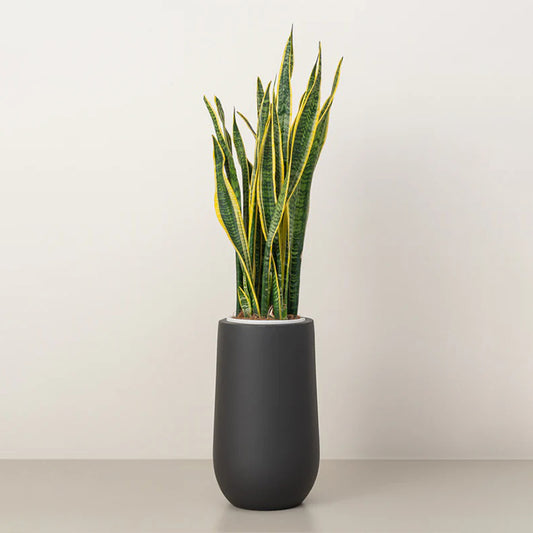

Snake Plant Care Indoors Made Simple
A snake plant usually starts as a "safe choice" - the plant you buy because everyone says it is hard to kill. Then a few months pass, and you either have a tall, sculptural plant that still looks perfect or a pot of soft, yellowing leaves that suddenly seems less forgiving than advertised. The difference usually comes down to a few simple habits. Good snake plant care indoors is less about doing more and more about avoiding the mistakes this plant hates.
Snake plants are popular for a reason. They handle missed waterings, tolerate average indoor light, and fit almost anywhere from apartments to office desks to sunny entryways. They also have a clean, upright shape that works in modern, minimal, and cozy spaces alike. If you want an indoor plant that looks polished without turning into a full-time project, this is one of the best options.
Why snake plants do so well indoors
Snake plants are built for efficiency. Their thick leaves store moisture, which is why they can go longer between waterings than many tropical houseplants. That natural toughness makes them a great match for busy households, new plant owners, and anyone who wants greenery without daily maintenance.
That said, "low maintenance" does not mean "no rules." Most indoor issues come from overwatering, poor drainage, or putting the plant in a dark corner for too long. A snake plant can tolerate less-than-perfect conditions, but it still performs best when its basics are right.
Snake plant care indoors starts with the right spot
Light is where a lot of people get confused. Snake plants are known for handling low light, and that is true to a point. They can survive in lower-light rooms, but they usually grow better in bright, indirect light. You will often see stronger color, steadier growth, and firmer leaves when they get more consistent brightness.
A few feet from a bright window is ideal. East-facing windows are especially easy to work with. South- or west-facing windows can also be great, but if the afternoon sun is intense, especially through hot glass, give the plant a little distance so the leaves do not scorch.
If your only option is lower light, the plant may still do fine, just more slowly. Growth will be minimal, and the soil will stay wet longer, which means your watering schedule should be even lighter. This is where the trade-off matters. Lower light is possible, but lower light and frequent watering are a bad combination.
How often should you water a snake plant?
If there is one rule to remember, it is this: let the soil dry out fully before watering again. Snake plants are far more likely to suffer from too much water than too little.
In many homes, that means watering every two to four weeks, but exact timing depends on the season, the size of the pot, the type of soil, and how much light the plant gets. In bright light during warmer months, the soil dries faster. In winter or in lower-light rooms, it can stay damp much longer.
Instead of watering on a fixed calendar, check the soil. Stick your finger several inches down or use a moisture meter if you prefer a little more certainty. If the soil still feels cool and damp, wait. If it is dry all the way through, water thoroughly and let excess water drain out.
Never let the plant sit in a saucer full of water. That is a quick way to invite root rot.
Signs your watering routine is off
Wrinkled or slightly curling leaves can mean the plant has gone too dry for too long, though snake plants usually recover well once watered properly. Soft, mushy leaves, yellowing at the base, or a foul smell from the soil usually point to overwatering. If that happens, act fast. Remove damaged leaves, check the roots, and repot into fresh, dry mix if needed.
The best soil and pot for healthy roots
Snake plants need fast-draining soil. Standard indoor potting mix on its own can sometimes hold too much moisture, especially indoors where evaporation is slower. A mix designed for succulents or cacti is often a better fit. You can also improve regular potting soil by adding perlite, pumice, or coarse sand to help excess water move through.
The pot matters just as much as the soil. Always choose a pot with drainage holes. Decorative cachepots are fine, but the plant itself should be sitting in a nursery pot or planter that allows water to escape.
Snake plants also prefer being slightly root-bound, so there is no need to move them into oversized pots. In fact, too much extra soil can hold moisture longer than the roots can use it. When repotting, go just one size up.
Temperature and humidity are usually easy
This is one of the most forgiving parts of snake plant care indoors. Average room temperatures suit snake plants well. They are comfortable in the same range most people are, roughly 65 to 85 degrees Fahrenheit.
They do not need high humidity, which is part of why they work so well in homes and offices. Dry indoor air is rarely a problem. What they do dislike is cold stress. Keep them away from drafty doors, cold windows in winter, and strong blasts from air conditioning vents.
Feeding your snake plant without overdoing it
Snake plants are light feeders. During spring and summer, a balanced houseplant fertilizer diluted to half strength once a month is usually enough. Some plant owners fertilize even less often, and that can still work well.
If your plant is in lower light or not actively growing, skip the fertilizer. Feeding a plant that is barely using water and nutrients can create more problems than benefits. You are aiming for steady health, not forced growth.
Cleaning and pruning for a neater look
Snake plant leaves collect dust, and dusty leaves do not look as fresh. Wipe them gently with a soft, damp cloth every so often to keep the foliage clean and glossy.
If a leaf is damaged, bent, or yellowing, trim it off at the base with clean scissors or pruners. Cutting halfway across a damaged leaf usually looks awkward long term, so full removal is often the cleaner choice. New growth will emerge from the soil over time.
Common indoor snake plant problems
A snake plant that suddenly declines usually gives clues. Yellow leaves often mean too much water, especially if the base feels soft. Brown, crispy tips can be caused by underwatering, inconsistent watering, or mineral buildup from tap water. If you notice white crust on the soil, flushing the pot thoroughly once in a while can help.
If the leaves look stretched, thin, or are leaning more than usual, the plant may need better light. Rotate the pot every few weeks so growth stays balanced.
Pests are not usually a major issue, but mealybugs and spider mites can show up, especially on stressed plants. Wipe the leaves, isolate the plant if needed, and treat early before the problem spreads.
When and how to repot
Snake plants do not need frequent repotting. Every two to three years is enough for many indoor plants, sometimes longer if growth is slow. Signs it is time include roots pushing out of the drainage holes, soil drying almost immediately after watering, or the plant becoming top-heavy.
Repot in spring or early summer if possible. Use fresh, well-draining soil and a container only slightly larger than the current one. After repotting, wait a few days before watering so any disturbed roots have time to settle.
A good choice for beginners, but still worth getting right
Part of the appeal of a snake plant is that it fits real life. It can handle travel, busy workweeks, and the occasional missed chore. It adds structure to a room without demanding constant attention. For apartments, home offices, bedrooms, and entryways, it is one of the easiest ways to add lasting greenery.
Still, the easiest plants are often the ones people overhelp. If you give a snake plant bright enough light, fast-draining soil, and a chance to dry between waterings, it will usually reward you with steady, low-stress growth. And if you are setting up a new indoor plant corner, having the right pot, soil, and care basics from the start makes the whole experience simpler.
A healthy snake plant does not ask for much - just a little restraint, a little sunlight, and room to do what it already does best.