
Indoor Plants for Dubai Homes That Last
A plant can look perfect in a bright store display and struggle within a week beside a powerful AC vent or a sun-soaked Dubai window. The secret to choosing indoor plants Dubai homes can enjoy for years is not buying the most dramatic leaf first. It is matching the plant to the room you already have - its light, temperature, available space, and the time you can realistically give it.
For apartments, villas, and offices, a few well-chosen plants can soften clean lines, add color and texture, and make everyday rooms feel more settled. Start with the conditions of your space, then choose greenery that is happy to live there.
Start With the Room, Not the Plant
Dubai homes often have two very different indoor environments: bright rooms with intense sunlight near windows and cooler spaces shaped by constant air conditioning. Both can support beautiful plants, but they call for different choices.
Spend a day noticing where light falls. A spot a few feet away from a sunny window may be bright without receiving direct rays, while a windowsill can become too hot for leaves that prefer filtered light. If the room stays dim for most of the day, choose a plant known for tolerating lower light rather than expecting a sun-loving variety to adapt.
Temperature matters just as much. Most houseplants prefer steady conditions. Keep them away from AC vents, cold drafts, and the direct blast of a fan. A plant placed in the right light but directly beneath an air vent may develop brown edges, drop leaves, or dry out faster than expected.
Also look at the practical details. Do you have a spacious corner for a floor plant, a shelf for a trailing variety, or only a small desk that needs a compact pot? Choosing a plant that fits the room at its mature size saves you from frequent rearranging later.
The Best Indoor Plants for Dubai Homes by Lifestyle
There is no single best houseplant for every home. A busy professional who travels often needs something different from a family looking for a lush living-room focal point. These reliable choices make it easier to find your match.
For busy schedules: snake plant and ZZ plant
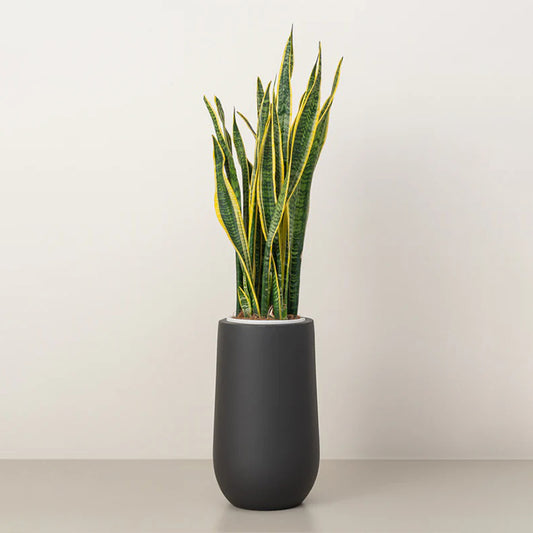
Snake plants are a favorite for good reason. Their upright, architectural leaves suit modern interiors, and they are forgiving when watering is occasionally forgotten. They cope well with lower to medium light, although they will grow more steadily in bright, indirect light. Let the soil dry well between waterings, especially in air-conditioned rooms where overwatering is more common than underwatering.
ZZ plants offer the same easygoing appeal with glossy, deep-green leaves that brighten quieter corners. They store water in their thick roots, so a little patience is better than frequent watering. If you want a polished plant for an entryway, office, or bedroom with moderate light, a ZZ plant is a dependable option.
For smaller spaces: lucky bamboo and pothos
Lucky bamboo works beautifully on desks, bedside tables, and shelves. It brings a clean, calm touch to compact rooms and is especially useful when you want greenery without giving up much surface space. Keep it in bright, indirect light, and refresh its water regularly if it is grown in water.
Pothos is another easy choice for apartments because it can trail from a shelf, climb a small support, or sit neatly in a hanging planter. Its flexible growth habit lets you add greenery vertically when floor space is limited. Pothos tolerates moderate light, but variegated varieties keep their leaf pattern best with brighter indirect light.
For a statement corner: monstera and bird of paradise
A monstera can turn an empty corner into a focal point. Its large split leaves bring a tropical, relaxed feel to living rooms and open-plan spaces. It needs bright, indirect light and room to spread, so it is best for homes where it will not be squeezed between furniture. Rotate the pot every few weeks so the plant grows evenly toward the light.
Bird of paradise is equally striking but has a bigger appetite for light. A bright room near a window is ideal, provided harsh afternoon sun is softened with a sheer curtain or some distance from the glass. It is a great choice when you want height and bold foliage, but it is not the lowest-maintenance option. Expect to wipe its broad leaves, monitor moisture, and give it space as it matures.
For fresh fragrance and useful greenery: mint and holy basil
Edible plants can have a place indoors, too, especially near a bright kitchen window. Mint is rewarding for anyone who enjoys fresh tea, mocktails, or cooking, while holy basil adds aromatic leaves and a useful touch of green. These plants generally need more sun and more regular watering than snake plants or ZZ plants. They are best for shoppers who enjoy a little hands-on care.
Give Every Plant the Right Light
The phrase “bright, indirect light” can feel vague, but it simply means plenty of daylight without long hours of direct, hot sun on the leaves. Think of a bright spot beside a window rather than directly on the sill. South- and west-facing windows can be especially intense, so move sensitive plants back from the glass or filter the light with a curtain.
Low-light plants do not mean no-light plants. Snake plants, ZZ plants, and pothos can tolerate less light, but they still need daylight to remain healthy. In a room with no natural light, consider moving plants periodically to a brighter area or using a suitable grow light.
Watch the leaves for feedback. Scorched patches, fading color, and curled edges can point to too much direct sun. Slow growth and long, stretched stems often suggest the plant needs more light. Small adjustments usually work better than a complete change of routine.
Water Less Often, but More Carefully
Most indoor plant problems begin below the surface. In Dubai’s air-conditioned interiors, soil may look dry on top while remaining damp deeper in the pot. Before watering, press a finger into the soil about an inch or two. If it still feels moist, wait a few more days.
When it is time to water, do it thoroughly until a little water drains from the bottom. Then empty the saucer so the roots are not sitting in water. Pots with drainage holes are one of the simplest ways to protect your plants from root rot, particularly for beginners.
A watering schedule can be a useful reminder, but it should never override what the soil is telling you. Light levels, AC use, pot size, and season all affect how quickly a plant drinks. A monstera in a bright room may need water sooner than a snake plant in a shaded hallway.
Choose Pots and Soil That Support Healthy Roots
A decorative planter should do more than match your furniture. It needs to give roots enough room and allow excess water to escape. If you love a pot without drainage, use it as a cover pot and keep the plant in a nursery pot inside it. That way, you can remove it for watering and let it drain fully before placing it back.
Good-quality potting soil helps hold enough moisture without becoming heavy and compacted. For plants that dislike wet roots, such as snake plants and ZZ plants, a lighter, well-draining mix is especially helpful. As plants grow, repot only when necessary - usually when roots are circling tightly inside the pot or growing through drainage holes. Moving to an oversized pot too quickly can leave extra soil wet for too long.
Build a Simple Care Routine You Can Keep
Plant care does not need to become another demanding task on your calendar. A quick weekly check is enough for most homes. Feel the soil, look under leaves for early signs of pests, remove yellowing foliage, and turn plants slightly for balanced growth. Every few weeks, wipe dust from larger leaves with a soft damp cloth so they can make better use of available light.
If you are new to plants, begin with two or three easy varieties instead of filling every room at once. A snake plant for the bedroom, pothos for a shelf, and a larger monstera or bird of paradise for a bright living area can create variety without making care complicated. Plants House can make that process easier by pairing quality indoor plants with pots, soil, fertilizers, and care essentials in one place.
The right plant does more than decorate a room. It becomes part of how the space feels when you come home. Choose one that suits your real routine, place it where it can thrive, and give it a little attention each week. That is how a single pot of green becomes a home you enjoy looking after.