
How to Grow Bougainvillea in Pots
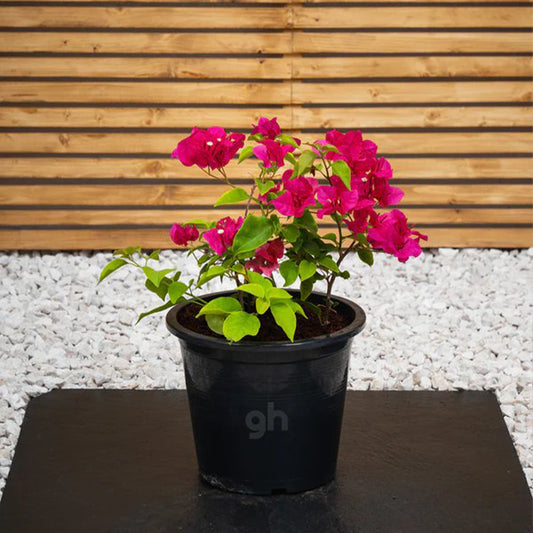
A bougainvillea in full color can make a plain balcony, patio, or entryway look finished almost overnight. But when it sits in a pot and refuses to bloom, drops leaves, or grows long thorny stems with no real show, it can feel confusing fast. If you are wondering how to grow bougainvillea in pots successfully, the good news is that this plant is usually not difficult - it just likes very specific conditions.
Bougainvillea is one of those plants that rewards a little restraint. Too much water, too much rich soil, or too much shade often gives you plenty of green growth and very few flowers. Once you understand what it prefers, container growing becomes much easier, especially if you want strong color in a sunny outdoor space.
How to grow bougainvillea in pots without common mistakes
The first thing to know is that bougainvillea does not want to be treated like a thirsty tropical foliage plant. It loves warmth, direct sun, and slightly lean conditions. In pots, that means your job is less about constant pampering and more about giving it the right setup from the beginning.
A container-grown bougainvillea needs excellent drainage, enough room for roots, and a spot with at least 6 hours of direct sunlight. More sun usually means better blooming. If your plant looks healthy but never puts on a strong display, light is often the first thing to check.
The second factor is watering. Many beginners keep the soil too wet because the plant looks dramatic when it gets thirsty. Bougainvillea can wilt a bit, then bounce back quickly after watering. That does not mean it wants soggy roots all week. In fact, constantly wet soil is one of the fastest ways to slow growth and cause stress.
Choosing the right pot and soil
The pot matters more than people think. Bougainvillea grows well in containers, but only when the roots can breathe. A pot with generous drainage holes is non-negotiable. Terracotta is a great option because it dries faster than plastic, which helps prevent overwatering. Plastic pots can still work, but you will need to be more careful with your watering schedule.
When it comes to size, go one step up from the nursery container rather than jumping into a very oversized pot. A huge container full of wet soil can stay damp too long. Bougainvillea often blooms better when slightly root-bound, so there is no need to overpot it early.
For soil, skip anything heavy or compact. Use a loose, fast-draining potting mix. If you want to improve drainage further, blend in coarse sand, perlite, or small bark. Rich, moisture-holding mixes designed for thirsty tropical plants are usually not the best fit here.
A simple rule helps: if water sits on top of the soil or drains slowly, the mix is too dense.
Best potting setup for healthy roots
Set your bougainvillea in a pot that drains freely and use a mix that dries at a moderate pace, not instantly and not over several days. You want roots to get moisture, then some air before the next watering. That balance is what keeps the plant active and blooming.
Do not add a layer of rocks at the bottom in place of proper drainage. It sounds helpful, but it does not fix a poor potting mix. Good soil structure and drainage holes do the real work.
Sunlight and placement
If you remember one thing about how to grow bougainvillea in pots, make it this: sun drives the show. Bougainvillea needs strong direct light to produce the colorful bracts people buy it for. Bright shade is not enough, and filtered light usually leads to weak blooming.
Place it in the sunniest part of your balcony, patio, courtyard, or garden. South-facing spots are usually best. In very hot climates, some afternoon protection can help newly planted or recently moved bougainvillea settle in, but established plants generally handle heat well when watered properly.
If you are growing it near a wall or railing, remember that reflected heat can actually help. This is one reason bougainvillea often performs beautifully in warm urban spaces.
Watering bougainvillea in containers
Water deeply, then let the top layer of soil dry before watering again. That is the general rhythm. How often this happens depends on pot size, weather, plant size, and the type of container you use.
In summer, a potted bougainvillea may need more frequent watering, especially in smaller pots or windy spots. During cooler months, watering should be reduced. The key is to check the soil instead of following a fixed calendar.
Push a finger into the top inch or two of soil. If it still feels moist, wait. If it feels dry and the pot is lighter, water thoroughly until excess drains out.
There is a trade-off here. If you let the plant stay bone dry for too long, growth and flowering can stall and leaves may drop. If you water too often, the roots stay stressed and the plant may grow lots of leaves with fewer blooms. The sweet spot is consistent but not excessive moisture.
Signs your watering needs adjustment
Yellowing leaves and a tired, soft look can point to overwatering, especially if the soil stays wet. Crispy leaves and repeated wilting may mean the plant is drying too far between waterings. Because both problems can look like general stress, always check the soil before reacting.
Fertilizing for more blooms
Bougainvillea does not need heavy feeding, but container plants do benefit from regular nutrients because watering gradually washes them out. Use a balanced fertilizer or one formulated for flowering plants during the active growing season.
Be careful with high-nitrogen fertilizers. They can produce lush green stems and leaves while reducing blooms. If your plant is growing quickly but flowering poorly, too much nitrogen may be part of the issue.
Feeding every few weeks during spring and summer is usually enough, depending on the product. Slow-release fertilizer can also work well if you prefer a simpler routine. Always follow label directions, because overfeeding creates its own problems.
Pruning, training, and keeping the shape tidy
Bougainvillea can get wild in a pot, which is part of the charm until it starts taking over the walkway. Regular light pruning helps maintain shape and encourages branching, which can lead to a fuller look and more bloom points.
Prune after a flowering cycle rather than just before one. Remove weak growth, trim back leggy stems, and shape the plant to suit your space. Wear gloves - the thorns are real.
If you want a climbing look, give it a trellis or support early. If you prefer a compact patio specimen, pinch and trim it more often. It can be trained in several ways, but the best form depends on your space. A small balcony may need a controlled, upright shape, while a larger patio can handle a looser, more dramatic plant.
Seasonal care and repotting
Bougainvillea dislikes constant disturbance, so do not repot too often. Only move it up when roots are clearly circling heavily or pushing out through the drainage holes. Even then, choose only a slightly larger pot.
Some leaf drop during seasonal transitions is normal, especially after a move or change in weather. A plant that shifts from nursery conditions to a bright patio may need time to adjust. As long as stems stay firm and the roots are healthy, patience usually pays off.
In areas with cooler winters, potted bougainvillea has an advantage because it can be moved to a more protected location. Keep it bright and reduce watering when growth slows.
Why potted bougainvillea sometimes stops blooming
The most common reasons are not enough sun, too much water, too much nitrogen, or a potting mix that stays damp too long. Sometimes the plant is simply putting energy into establishing roots after planting or repotting.
If yours is all leaves and no color, review the basics before making big changes. Is it getting full sun? Is the soil draining fast enough? Are you feeding too heavily? Has it recently been moved into a much bigger pot? Small adjustments often solve the problem better than drastic ones.
For busy plant owners, this is where convenience matters. Having the right pot, well-draining soil, fertilizer, and support accessories from the start saves a lot of trial and error. Plants House focuses on that easier, all-in-one approach, which is especially helpful when you want your outdoor space to look good without turning care into a full-time hobby.
A healthy bougainvillea in a pot does not need constant attention. It needs sun, smart watering, and a setup that drains well. Get those right, and you will usually be rewarded with the kind of color that makes even a small space feel bright, warm, and complete.