
How to Choose Indoor Plants That Fit
You do not need a jungle to make a room feel better. One well-chosen plant on a desk, shelf, or entry table can soften a space, add color, and make home feel more alive. The trick is knowing how to choose indoor plants that actually suit your room and your routine, not just the ones that look good in a photo.
A lot of plant frustration starts with the wrong match. Someone falls in love with a dramatic tropical plant, takes it home, and places it in a dim corner with strong AC nearby. A few weeks later, the leaves droop, the edges brown, and the plant gets blamed. Usually, the plant was not the problem. The space was.
How to choose indoor plants by your space
Start with light, because light decides more than anything else. Before you think about leaf shape or pot color, look at where the plant will live. A bright room with several hours of indirect sun opens up many options. A low-light hallway or office corner needs tougher, more adaptable plants.
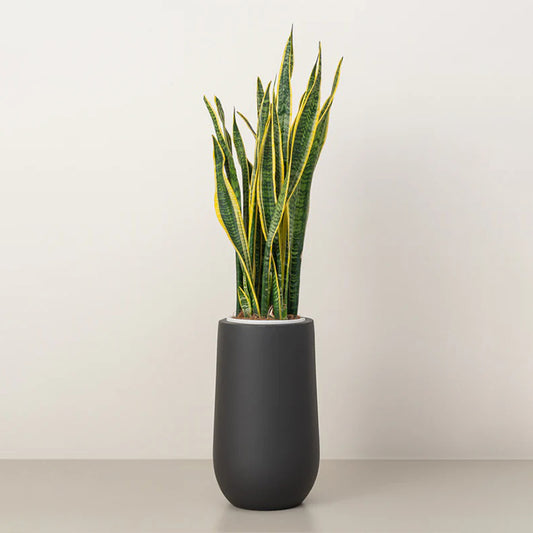
If your room gets bright, filtered light, you can consider favorites like monstera, peace lily, philodendron, and bird of paradise. These plants reward good placement with fuller growth and stronger color. If your home has lower light, it makes more sense to look at snake plants, ZZ plants, pothos, or lucky bamboo. These are the kinds of plants that help beginners feel successful quickly.
Window direction matters too. South- and west-facing windows usually bring stronger light, while north-facing windows are often gentler. East-facing windows can be a sweet spot for many indoor plants because they offer softer morning sun. If your plant spot is several feet away from a window, the light may be lower than you think.
Space is the second filter. A compact apartment, shared office, or busy family room needs plants with the right proportions. Large statement plants can look stunning, but they also need room to spread and enough airflow around the leaves. In smaller spaces, trailing pothos, tabletop peperomia, compact snake plants, or small dracaena varieties often make more sense than oversized floor plants.
There is also the question of temperature and airflow. Indoor plants do best in stable conditions. If a plant sits directly under a vent, beside a frequently opened door, or near heat from a sunny glass panel, it may struggle even if the light is technically right. That does not mean you cannot place plants in those areas. It just means you should choose tougher varieties that handle a little inconsistency.
Match the plant to your lifestyle
A beautiful plant is only a good purchase if you can realistically care for it. That is where many people should begin. If you travel often, work long hours, or simply want something easy, choose plants that do not need constant attention.
Low-maintenance does not mean boring. Snake plants have a clean, architectural look. ZZ plants feel polished and modern. Pothos grows quickly and adds softness to shelves and corners. These are strong choices for beginners, busy households, and offices because they tolerate missed waterings better than thirstier plants.
If you enjoy plant care and like checking soil, rotating pots, and watching new growth, you can be a little more adventurous. Plants like calatheas, ferns, and peace lilies can be rewarding, but they are less forgiving. They may need more consistent moisture, better humidity, or more careful placement. That extra effort can be worth it if you enjoy the process, but it is better to know the commitment upfront.
Households with children or pets should also be selective. Some indoor plants are better left out of reach, while others are easier to place safely around the home. This is one of those moments where style should not be the only decision-maker. A plant that works beautifully in a pet-free office may not be the right fit for a busy living room.
Choose indoor plants for the look you want
Function matters first, but style matters too. Indoor plants do more than fill an empty corner. They shape the mood of a room.
If you want a clean, modern feel, look for strong shapes and upright growth. Snake plants, rubber plants, and ZZ plants work well here. They feel structured without looking stiff. If you want a softer, more relaxed look, trailing plants like pothos and heartleaf philodendron are easy wins. They add movement and make shelves, consoles, and bookcases feel less hard-edged.
For homes that need a focal point, larger plants like monstera or bird of paradise can anchor a room. They work especially well in living rooms, entryways, and open-plan spaces where one statement piece can do a lot of visual work. Just be honest about the room they will live in. A large plant in the wrong light will never give you that full, lush look people want.
Leaf color and texture play a part too. Glossy leaves tend to feel a little more polished. Fine, delicate foliage feels softer and more decorative but often needs more attention. Variegated plants can brighten a room, though they usually need better light than solid green varieties. It depends on whether you want your plant to blend in calmly or stand out.
Think beyond the plant itself
When people ask how to choose indoor plants, they often focus only on the plant and forget the setup around it. The pot, soil, drainage, and placement all affect how easy the plant will be to live with.
A pot without drainage can work in some situations, but it raises the risk of overwatering. For most buyers, a nursery pot placed inside a decorative planter is a simpler option. You get the look you want without making watering harder than it needs to be.
Soil matters more than many beginners expect. Different plants prefer different levels of drainage and moisture retention. Tropical foliage plants often like airy mixes, while some tougher houseplants are happier when the soil dries more between waterings. If you are shopping for a plant, it helps to think ahead about whether you also need potting mix, fertilizer, pebbles, or a new planter. Getting the essentials at the same time makes setup easier and avoids that last-minute scramble later.
Placement should also make daily care simple. If a plant is tucked into a spot that is hard to reach, you are less likely to check its soil or notice changes early. Plants do best when they are part of your normal line of sight. A healthy plant usually comes from consistent attention, not complicated care.
A simple way to narrow down your options
If you feel overwhelmed, use a three-part filter. First, assess the light. Second, decide how much care you want to give. Third, choose the look that suits your room. That one shift makes shopping much easier.
For example, if you have low light, limited time, and a modern space, a snake plant or ZZ plant is a strong match. If you have bright indirect light, enjoy a little plant care, and want a bold focal point, monstera could be the better choice. If you need something forgiving for a shelf or hanging planter, pothos is one of the easiest places to start.
This is also why buying from a store that offers both plants and care essentials can save time. It is easier to choose well when you can compare plant types, pot options, and support products in one place instead of piecing everything together later.
Common mistakes when choosing indoor plants
The biggest mistake is buying for appearance alone. A plant may look perfect online or in a styled room, but if your home does not offer the same light or space, the result will be disappointing.
Another common issue is starting too ambitious. There is nothing wrong with wanting a dramatic plant collection, but beginners usually do better when they start with one or two reliable varieties. Success builds confidence. A healthy pothos or snake plant often leads to a much better plant journey than three demanding plants that fail fast.
People also tend to underestimate growth. That cute compact plant may double in size with the right care. Make sure you are comfortable with where the plant will be not just today, but a few months from now.
The best indoor plant is not the rarest, trendiest, or largest one. It is the one that fits your light, your schedule, and your space well enough to keep growing. Once you choose with that in mind, bringing greenery into your home feels easy, and a lot more enjoyable.