
Can Plants Grow Without Sunlight? What They Need
A windowless hallway, a desk far from the window, or a shaded apartment corner can still benefit from greenery. But can plants grow without sunlight? Not in the long term. Plants need light to make the energy that supports new leaves, roots, and healthy growth. The good news is that sunlight and bright direct sun are not the same thing, and many beautiful indoor plants are far more flexible than they first appear.
For most homes, the goal is not to find a plant that needs no light. It is to match the plant to the light you actually have, then add a grow light where natural light falls short. That simple approach makes indoor gardening easier, more successful, and much more enjoyable.
Why plants need light to grow
Plants use light for photosynthesis, the process that turns light, water, and carbon dioxide into sugars. Those sugars fuel everything from root development to fresh leaf growth. Without a usable source of light, a plant can survive for a while on stored energy, but it cannot keep producing the energy it needs indefinitely.
This is why a plant may look fine for several weeks in a dark room, then slowly decline. Growth stops first. Leaves may become pale, smaller, or yellow. Stems can stretch toward the nearest light source, creating a thin, leggy shape. Eventually, older leaves drop because the plant is spending more energy than it can make.
A common misunderstanding is that artificial room lighting is enough. Standard ceiling lights make a room comfortable for people, but they are often too weak or too far away to support a plant. A dedicated grow light is different because it provides the intensity and light spectrum plants can use.
Can plants grow without sunlight indoors?
Plants can grow indoors without direct sunlight, but they still need either bright indirect natural light or a suitable grow light. Direct sunlight means the sun’s rays reach the leaves without being filtered, such as on a sunny windowsill. Bright indirect light is plentiful daylight that reaches the plant after passing through a sheer curtain, reflecting off nearby walls, or coming from a bright room away from the glass.
Many popular houseplants prefer indirect light because harsh afternoon sun can scorch their leaves. This makes them a smart choice for apartments, offices, and homes where a sunny window is not available all day.
A truly dark room is different. If there is no window and no grow light, no living green plant will continue to grow well there. You can still use a plant temporarily for an event or styling, but it should return to a brighter spot afterward. For a permanent green look in a light-free space, high-quality artificial plants are the practical choice.
Low-light plants that make indoor spaces easier
Low-light plants are often described as plants that can live without sunlight, but “low light” does not mean “no light.” These varieties tolerate lower levels of natural light and tend to grow slowly, which makes them more forgiving for busy plant owners.
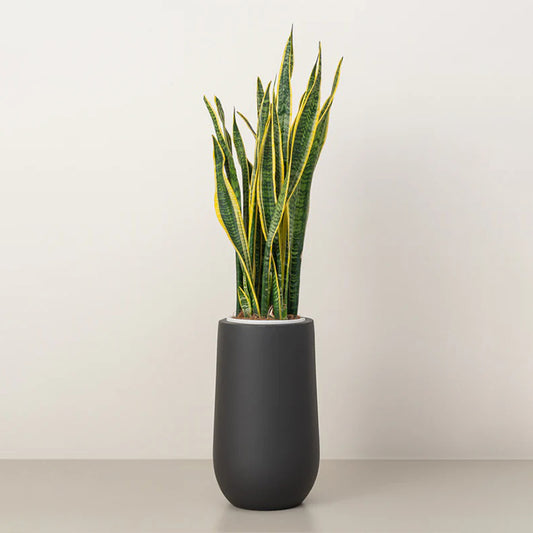
Snake plants
Snake plants are a reliable option for bedrooms, hallways, and office corners with modest daylight. Their upright, architectural leaves bring instant structure to a space, and they do not need frequent watering. Let the soil dry out well between waterings, especially in lower light where moisture evaporates more slowly.
ZZ plants
ZZ plants have glossy leaves and thick underground rhizomes that store water. They handle lower-light rooms well and are a strong choice for anyone who wants a polished, low-maintenance plant. They will grow faster in brighter indirect light, but they can remain attractive with less.
Lucky bamboo
Lucky bamboo is a simple way to add green to a desk or shelf. It prefers bright, indirect light but can adapt to moderate light. Keep it away from strong direct sun, which can yellow the leaves, and refresh its water regularly if it is growing in water.
Pothos and heartleaf philodendron
These trailing plants are excellent for shelves, hanging planters, and high spots where their vines can soften a room. They tolerate lower light, although variegated varieties may lose some of their cream or yellow pattern when conditions are too dim. Give them a brighter indirect location if you want fuller growth and stronger leaf color.
Cast iron plants and aglaonema
Cast iron plants are known for their toughness, while aglaonema offers patterned foliage in shades of green, silver, pink, or red depending on the variety. Both suit homes that receive moderate to low natural light. Avoid overwatering, which is often a bigger problem than low light for these plants.
When a grow light is the better answer
If you want to place a plant in a windowless room, a grow light is not an optional extra. It is the plant’s source of daylight. This is also the best solution for edible plants, flowering varieties, and sun-loving plants that need more energy than a low-light houseplant.
Choose a full-spectrum LED grow light designed for indoor plants. Position it close enough to be effective, following the manufacturer’s guidance, and run it for roughly 10 to 14 hours a day. A timer is worth using because consistent light matters more than trying to remember to switch it on and off.
The trade-off is that stronger light also changes care needs. Plants under grow lights may use water faster, particularly if the lamp creates warmth. Check the soil before watering rather than following a fixed schedule. Keep the light at an appropriate distance too: too far away will not help, while too close can cause leaf stress or faded patches.
Plants that should not be kept in low light
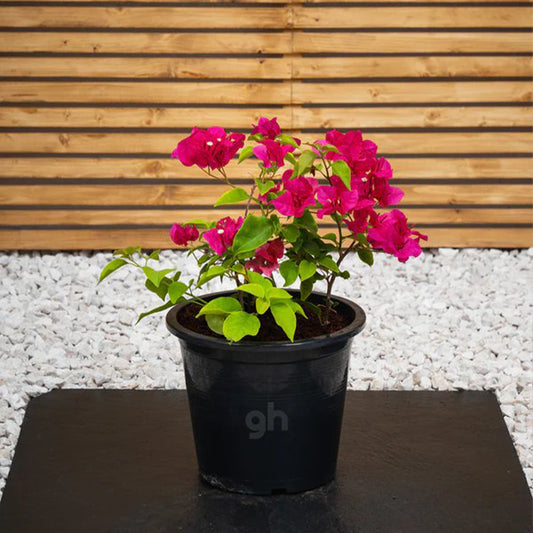
Some plants can survive a dim corner but will not look their best there. Bird of paradise, bougainvillea, citrus trees, mango, papaya, and most flowering or fruiting plants need abundant light to grow strongly and produce blooms or fruit. Herbs such as mint and holy basil also perform best with plenty of bright light, ideally direct sun or a powerful grow light indoors.
Putting a sun-loving plant in low light does not make it easier to care for. It usually leads to weak growth, fewer flowers, and frustration. Save the darker spaces for adaptable foliage plants, and reserve the brightest windows, balconies, patios, or grow-light setups for plants with higher energy needs.
How to tell whether your plant needs more light
Your plant will usually give you clues before it reaches a serious decline. Slow growth during the active growing season, long gaps between leaves, smaller new leaves, and loss of variegation can all point to insufficient light. A plant leaning sharply toward one side is another clear signal.
Do not confuse low-light symptoms with watering problems. Yellow leaves can result from too much water, too little water, poor drainage, or natural aging as well as dim conditions. Start by checking the soil moisture and the position of the plant. If the soil stays wet for a long time and the room is dim, reduce watering and consider moving the plant closer to a window or adding a grow light.
Rotate plants a quarter turn every week or two when they receive light from one direction. This encourages more balanced growth and prevents a plant from becoming lopsided. Wiping dust from broad leaves also helps them capture available light more efficiently while keeping them looking fresh.
Make the most of the light you have
Small changes can make a meaningful difference. Place low-light plants near the brightest part of the room rather than deep inside it. Light-colored walls, mirrors, and reflective surfaces can help bounce daylight around, although they cannot replace a window or grow lamp. Keep heavy curtains open during the day and move plants away from cold drafts or hot glass.
Most importantly, buy for the space, not just the look. A snake plant in a softly lit entryway will be happier than a flowering plant struggling there, and a pothos on a bright shelf can become a lush part of your home with very little effort. At Plants House, choosing the right plant and a few practical care essentials can turn even an ordinary indoor corner into a green, welcoming space.