
Indoor Plant Care Guide for Healthy Growth
That plant looked perfect on day one. Two weeks later, the leaves are yellowing, the soil feels confusingly dry and damp at the same time, and suddenly keeping greenery alive feels harder than it should. A good indoor plant care guide fixes that fast because most houseplant problems come down to a few simple mismatches - wrong light, inconsistent watering, or a potting setup that does not fit the plant.
The good news is that indoor plants do not need constant attention. They need the right conditions, repeated consistently. Once you understand how light, water, soil, humidity, and feeding work together, plant care gets much easier and far more predictable.
Indoor plant care guide basics
If you only remember one thing, let it be this: treat the plant in front of you, not the label you wish it had. A snake plant, pothos, monstera, peace lily, and lucky bamboo may all live indoors, but they do not use water or light the same way.
Start by identifying what kind of plant you have and where it will live. A bright living room with filtered sun is very different from a low-light hallway or an office corner with air conditioning running all day. The plant has to match the space, or you will spend time correcting avoidable stress.
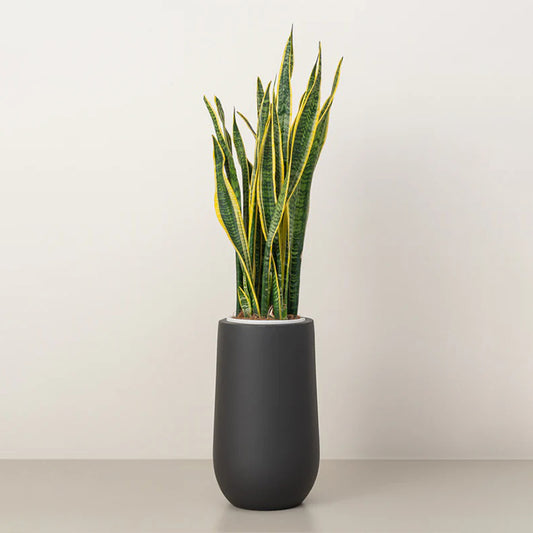
Beginners usually do best with forgiving choices such as snake plants, ZZ plants, pothos, lucky bamboo, and some philodendrons. These plants tolerate missed waterings and mixed indoor conditions better than fussier tropical varieties. If you want a bold statement plant like monstera or bird of paradise, expect a bit more attention to light and feeding.
Light comes first
Most indoor plant care advice sounds like it is about watering, but light is usually the real issue. Plants use light to grow and to process the water you give them. If a plant is sitting in dim conditions, it will dry out more slowly, grow more weakly, and become easier to overwater.
Bright indirect light is the sweet spot for many indoor plants. That means the space is well lit for several hours, but the plant is protected from harsh direct afternoon sun that can scorch leaves. East-facing windows are often gentle and reliable. South- or west-facing windows can be excellent too, but the plant may need to sit a little back from the glass.
Low light does not mean no light. A room where you can comfortably read during the day may support low-light plants, but dark corners usually do not support healthy growth for long. If your plant becomes leggy, leans heavily toward a window, or produces smaller leaves than usual, it is asking for more light.
Rotate your plant every couple of weeks so growth stays even. This small habit makes a noticeable difference, especially for plants on shelves or side tables.
How to water without guessing
Overwatering is less about frequency and more about timing. Watering every Sunday sounds organized, but plants do not follow calendars. They respond to temperature, season, root size, pot material, and available light.
The better approach is to check the soil before watering. For many houseplants, if the top 1 to 2 inches of soil feels dry, it is time to water. For plants like snake plants and ZZ plants, let the soil dry more deeply before watering again. For thirstier plants such as peace lilies, the drying window may be shorter.
When you water, do it thoroughly. Water until excess drains from the bottom of the pot, then empty any saucer so roots are not left sitting in water. Light sips on the surface can create shallow roots and uneven moisture.
If you are not sure whether your plant is thirsty or stressed from too much water, check the leaves and the soil together. Crispy brown edges often point to dryness or low humidity. Yellow leaves with soft stems or a sour-smelling pot usually suggest excess moisture. There are exceptions, so look for patterns instead of reacting to one imperfect leaf.
Soil and pots matter more than people think
Healthy roots need both moisture and airflow. That is why a plant in the wrong soil can struggle even when you water carefully. Dense soil stays wet too long and raises the risk of root rot. Soil that drains too quickly can leave tropical plants stressed and dehydrated.
A quality indoor potting mix is the safest base for most houseplants. From there, it depends on the plant. Aroid plants like monstera and philodendron usually prefer a chunkier mix that drains well. Succulents and snake plants need even faster drainage. Moisture-loving foliage plants often do well in a mix that holds some water without becoming heavy.
The pot matters too. Drainage holes are not optional for most indoor plants. Decorative planters are great, but they work best when paired with a nursery pot inside so excess water can escape.
Terracotta pots dry out faster, which can help if you tend to overwater. Plastic and glazed ceramic hold moisture longer, which is useful in dry indoor environments but less forgiving if watering is already generous.
Humidity and temperature in real homes
Many indoor plants sold for home use come from tropical environments, so dry air can slow them down. That said, not every plant needs spa-level humidity. Some, like snake plants and ZZ plants, adapt well to standard indoor conditions. Others, including calatheas, ferns, and some prayer plants, are far more particular.
If leaf edges turn brown while watering seems consistent, low humidity may be part of the problem. Grouping plants together can help create a slightly more humid microclimate. Keeping them away from direct AC vents, heaters, and sudden drafts also prevents stress.
Most houseplants are happiest in normal indoor temperatures, roughly 65 to 80 degrees Fahrenheit. What they dislike is fluctuation. A plant that sits near a constantly opened balcony door or under aggressive air conditioning may struggle even if everything else looks right.
Feeding your plants the simple way
Indoor plants do not need heavy feeding, but they do benefit from regular nutrients during active growth. Spring and summer are usually the main growing seasons, while fall and winter are slower for many varieties.
A balanced houseplant fertilizer used at a moderate rate is enough for most indoor setups. More is not better. Overfertilizing can burn roots, cause weak growth, and leave salts in the soil. If you are unsure, feed less often than the label suggests and watch how the plant responds.
Fast-growing foliage plants and larger statement plants typically need more support than slow growers. If your plant is putting out healthy new leaves, it is likely using nutrients well. If growth has stalled despite good light and proper watering, feeding may help.
Repotting without stressing the plant
A plant does not need a new pot the moment it arrives home. In fact, repotting too soon can add stress, especially if the plant is still adjusting to a new environment.
Repot when roots are circling heavily, pushing through drainage holes, or when the soil dries out unusually fast because the root ball is too crowded. Choose a pot just 1 to 2 inches wider than the current one. Going too large holds extra moisture and can make watering harder to manage.
Fresh soil gives roots more space, better airflow, and access to nutrients. The best time to repot is usually during active growth, when the plant can recover more quickly.
Common indoor plant problems and what they usually mean
A few issues show up again and again. Drooping can mean thirst, but it can also mean waterlogged roots. Yellow leaves can be normal aging, or a sign of too much water. Brown tips may come from dry air, inconsistent watering, or fertilizer buildup. That is why context matters.
Pests are another reality of indoor plant care. Spider mites, fungus gnats, mealybugs, and scale are the usual troublemakers. Check under leaves and around stems every so often, especially after bringing home a new plant. Catching pests early is much easier than fixing a full infestation later.
If a plant declines, resist the urge to change everything at once. Move it, water differently, repot it, and feed it all in one weekend, and you will not know what helped or hurt. Make one adjustment, then observe.
Build a routine you can actually keep
The best indoor plant care guide is the one that fits your real life. If you travel often, choose low-maintenance plants and use pots with good drainage. If your apartment gets strong morning light, take advantage of it with foliage plants that enjoy brightness. If your office runs dry and cool, skip humidity-sensitive varieties.
For many homes, a simple weekly check works better than a strict watering schedule. Look at the leaves, feel the soil, and notice how quickly each plant dries out in its spot. Over time, you will stop guessing.
That is where plant care becomes enjoyable. Not perfect, not fussy, just clear. Give your plants the conditions they actually need, and they will do what they are meant to do - bring life, color, and calm into the spaces you use every day.
If you are adding new greenery, start with plants that match your light and routine, then build from there. A healthy indoor space does not come from buying the most dramatic plant in the room. It comes from choosing well and caring consistently.