
How to Revive Houseplants That Look Done
A sad houseplant can make a whole room feel off. One week it looked fresh and healthy, and the next it is drooping, yellowing, or dropping leaves like it has given up. The good news is that learning how to revive houseplants is usually less about luck and more about spotting the real problem before you throw more water, fertilizer, or hope at it.
Most struggling plants are reacting to one of a few common issues: too much water, too little water, poor light, compacted soil, temperature stress, or pests. The tricky part is that the symptoms can overlap. A wilted plant might be thirsty, but it might also have drowning roots. That is why the fastest way to help is to slow down and diagnose first.
How to revive houseplants without making things worse
When a plant looks rough, the instinct is to do everything at once. Water it, fertilize it, move it, trim it, mist it. That usually creates more stress. A weak plant does better with one or two targeted fixes based on what you actually see.
Start by checking the soil with your finger a couple of inches down. If it feels bone dry and the pot is light, underwatering may be the issue. If it feels wet, heavy, and smells sour, overwatering is more likely. Then look at the leaves. Crispy brown edges often point to dryness, heat, or salt buildup. Yellow leaves with soft stems usually suggest excess water. Pale, stretched growth often means the plant is not getting enough light.
If the plant is still in a decorative cachepot, pull the nursery pot out and make sure water is not trapped at the bottom. A lot of houseplants decline simply because they sit in standing water after a well-meaning watering session.
Check the roots before you treat the leaves
The roots tell the truth. If the plant slides easily out of its pot, take a look. Healthy roots are generally firm and light in color. Dark, mushy roots that break apart easily are a sign of rot. Dry, brittle roots that barely hold soil may mean the plant has been neglected for too long.
If you find rot, trim away the damaged roots with clean scissors and repot into fresh, airy soil. Do not put it back into soggy mix and hope for a different result. For many common indoor plants like pothos, monstera, snake plants, and peace lilies, better drainage makes an immediate difference.
If the roots are tightly circling the pot, your plant may be root-bound. That does not always cause a crisis, but it can make watering difficult because water runs straight through instead of soaking in. In that case, move up just one pot size and refresh the soil. Bigger is not always better. A pot that is too large can stay wet too long.
If your plant is overwatered
Overwatered houseplants often look limp, which confuses people into watering again. If the soil is wet, stop watering right away. Move the plant to a spot with bright, indirect light and better airflow. Remove yellow or mushy leaves so the plant can focus on recovery.
If the pot has poor drainage, repotting is usually worth the effort. Use a mix that suits the plant. Tropical foliage plants like a loose mix that holds some moisture but drains well. Succulents and snake plants need an even grittier blend.
Recovery takes patience. You may not see improvement for a couple of weeks, and some damaged leaves will not bounce back. Watch for healthy new growth instead.
If your plant is underwatered
A thirsty plant usually perks up faster, but there is still a right way to help it. Do not flood it in stages all day long. Water thoroughly until excess drains out, or bottom-water the pot for 20 to 30 minutes so the soil can rehydrate evenly.
If the soil has pulled away from the sides of the pot and water keeps running through, it has become hydrophobic. In plain terms, it is so dry it repels water. Soaking the root ball is more effective than repeated light watering.
After that, adjust your routine. Many people wait for visible drooping, which means the plant is already stressed. A simple check of soil moisture once or twice a week works much better.
Light is often the real issue
Water gets blamed for almost everything, but light is a close second. A plant kept too far from a window may survive for a while and then slowly decline. Growth becomes weak, leaves get smaller, and the plant becomes more vulnerable to watering mistakes.
If your plant is leggy, leaning hard toward the light, or losing lower leaves, move it closer to a bright spot. Bright, indirect light suits many indoor favorites. Direct sun works for some plants, but too much harsh afternoon sun can scorch leaves, especially if the plant was previously in lower light.
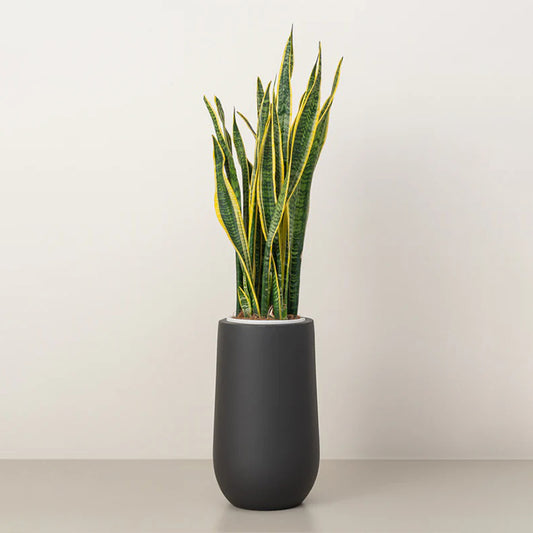
This is where plant choice matters too. Snake plants, ZZ plants, and lucky bamboo handle lower light better than bird of paradise or many flowering varieties. Matching the plant to the space is easier than constantly trying to force a sun-loving plant to live in a dim corner.
Do not fertilize a stressed plant too soon
Fertilizer is not plant medicine. If a houseplant is struggling because of bad roots, poor light, or watering issues, feeding it right away can make things worse. Salts build up in the soil and stress already damaged roots.
Wait until the plant shows signs of recovery, especially new growth. Then use a balanced fertilizer at a gentle strength during the active growing season. If you see white crust on the soil or pot rim, flush the soil with water to reduce salt buildup before feeding again.
Pruning helps, but only if you are realistic
Dead leaves can go. Fully yellow leaves can usually go too. But partly damaged leaves still do some work for the plant, so there is no need to cut everything off for appearance alone.
If a plant is badly leggy, selective pruning can encourage fuller growth. For trailing plants like pothos, trimming just above a node often helps new shoots form. For larger plants, remove only what is clearly damaged or no longer useful. Heavy pruning on a stressed plant is a gamble.
Watch for pests while the plant is weak
Spider mites, mealybugs, scale, and fungus gnats love a plant that is already under stress. Check under leaves, along stems, and near new growth. Fine webbing, sticky residue, cottony spots, or tiny moving dots are all signs you should act.
A simple first step is to isolate the plant from others. Then wipe leaves and treat based on the pest. You do not need a dramatic rescue routine, but you do need consistency. One treatment rarely fixes an active infestation.
If you keep several plants together, inspect the nearby ones too. Pests spread faster than most people expect, especially indoors.
How to revive houseplants after repotting shock
Sometimes the plant was healthy until you tried to help it. Repotting shock is real, especially if roots were disturbed, the soil changed too drastically, or the plant was moved into a much larger container.
If that happened, keep conditions steady. Bright, indirect light, moderate watering, and no fertilizer for a little while usually help. Avoid moving it from room to room searching for a miracle spot. Consistency is more helpful than constant adjustment.
This is also why it pays to use the right basics from the start - a pot with drainage, soil suited to the plant type, and tools clean enough not to introduce extra problems. Plants House keeps those care essentials in one place, which makes recovery a lot simpler when your plant needs more than just water.
Some plants bounce back fast, and some do not
Houseplant recovery depends on the plant type and how far the damage has gone. Pothos, philodendrons, spider plants, and many herbs can rebound surprisingly well. Fiddle leaf figs, calatheas, and certain flowering plants tend to be more dramatic and slower to recover.
If the crown is mushy, the roots are gone, and there is no healthy stem tissue left, the plant may not be salvageable. That is not failure. It is part of plant care. Sometimes the better move is to save any healthy cuttings, learn what went wrong, and start fresh with a plant that better fits your light and routine.
A revived plant rarely looks perfect right away. It looks stable first. Then, with a little time, it starts growing again. That is the moment to trust. Give it the right conditions, resist the urge to overcorrect, and let the plant do what plants are good at - recovering when finally given what they needed all along.